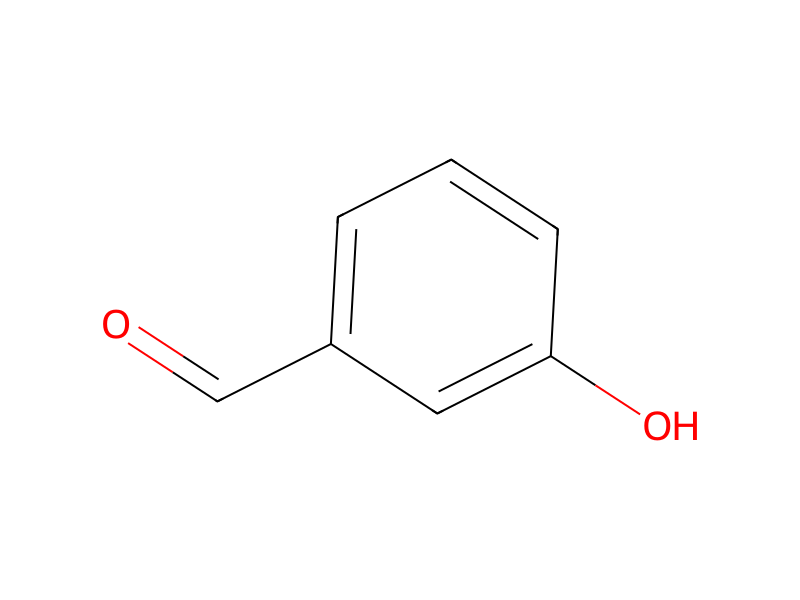
[OH:1][C:2]1[CH:3]=[C:4]([CH:7]=[CH:8][CH:9]=1)[CH:5]=[O:6].[CH3:10][C:11]1[CH:18]=[CH:17][C:14]([CH2:15]Cl)=[CH:13][CH:12]=1.C(=O)([O-])[O-].[K+].[K+].[I-].[Na+]>CC(C)=O>[CH3:10][C:11]1[CH:18]=[CH:17][C:14]([CH2:15][O:1][C:2]2[CH:3]=[C:4]([CH:7]=[CH:8][CH:9]=2)[CH:5]=[O:6])=[CH:13][CH:12]=1To 3-hydroxybenzaldehyde (5.00 g) dissolved in acetone (70 ml) were added 4-methylbenzyl chloride (6.51 ml), potassium carbonate (8.49 g) and sodium iodide (7.36 g), and the resulting mixture was heated at reflux for 24 hours and was then evaporated under reduced pressure to remove the solvent. The residue was mixed with water (200 ml) and was extracted with ethyl acetate. The organic layer was washed with an aqueous saturated solution of sodium chloride was dried with anhydrous sodium sulfate, and was then evaporated under reduced pressure to remove the solvent. The thus-obtained residue was subjected to purification using column chromatography (ethyl acetate/hexane=1/10) to obtain 3-(4-methylbenzyloxy)benzaldehyde (7.86 g) as a colorless oily substance.