Reaction equation

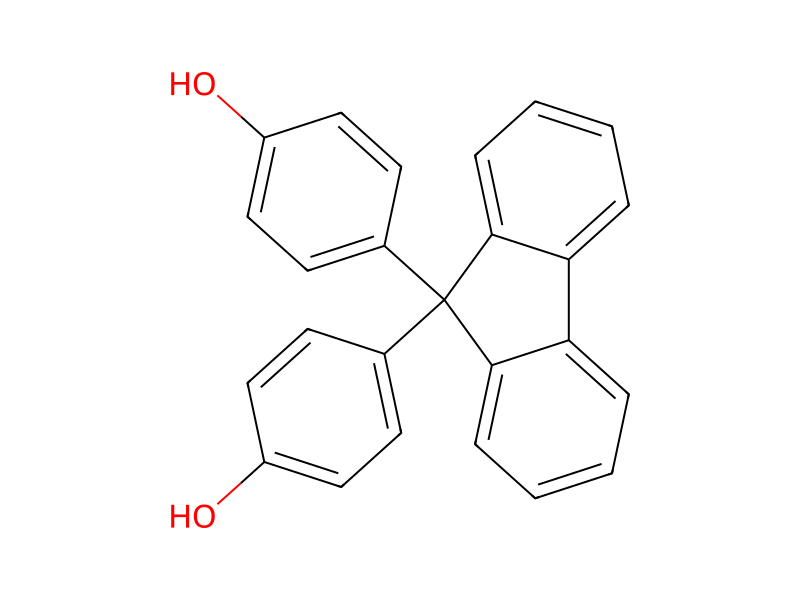
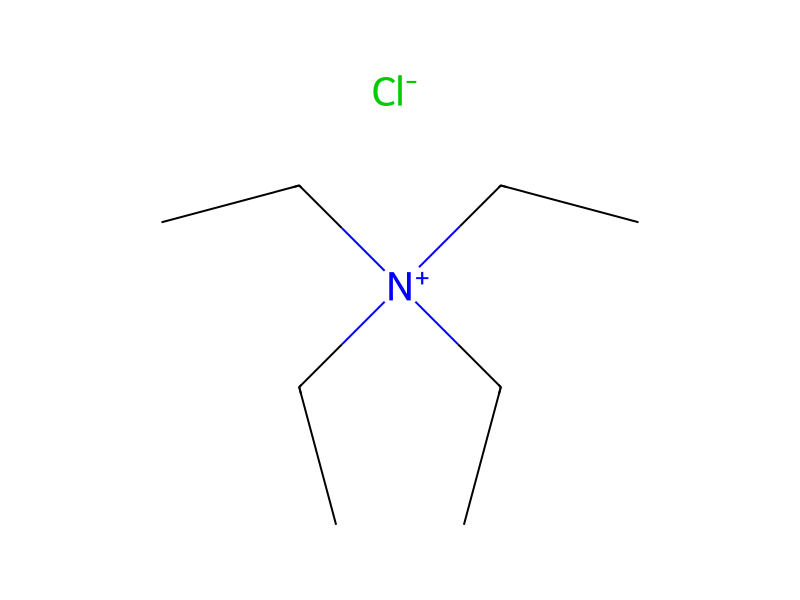
[C:1](Cl)(=[O:11])[C:2]1[CH:10]=[CH:9][C:5]([C:6](Cl)=[O:7])=[CH:4][CH:3]=1.C(Cl)(=O)CCCCC(Cl)=[O:19].[OH-:23].[Na+].[OH:25]C1C=CC(C2(C3C=CC(O)=CC=3)C3C=CC=CC=3C3C2=CC=CC=3)=CC=1>ClCCCl.O.[Cl-].C([N+](CC)(CC)CC)C>[C:6]([OH:19])(=[O:7])[CH2:5][CH2:4][CH2:3][CH2:2][C:1]([OH:11])=[O:23].[C:1]([OH:11])(=[O:25])[C:2]1[CH:10]=[CH:9][C:5]([C:6]([OH:7])=[O:23])=[CH:4][CH:3]=1Participants
8
Reactant 4



Product 1

Reagents, catalysts & solvents 3


Procedure
A 4.04 g amount of terephthalic acid chloride and 14.6 g of adipic acid chloride were dissolved in 300 ml of 1,2-dichloroethane. Further, 8 to 15 g of sodium hydroxide was dissolved in 1000 ml of water, followed by dissolving 35 g of 9,9-bis(4-hydroxyphenyl)fluorene and 15 g of tetraethyl ammonium chloride therein. The resultant solution was added all at once to the above-prepared organic solvent solution of the acid component while vigorously stirring, and the resultant mixture was allowed to react at room temperature for 10 to 15 hours. After completing the reaction, the aqueous phase was separated and 200 ml of 1,2-dichloroethane was added to the oily layer to lower the viscosity.
Workup
- customto react at room temperature for 10 to 15 hours
- customthe reaction
- customthe aqueous phase was separated
- addition200 ml of 1,2-dichloroethane was added to the oily layer
Sources & evidence
- ORD record
- ord-51f1d4c45ddc411f8c9b2698cd922079
- Source dataset
- uspto-grants-1989_03
- Patent number
- US04810771
Linked notes
Loading…