HomeMCPWorkbenchSkills
HomeWorkbenchNotificationsMe
llms.txt · MCP GuidePrivacy Policy · Terms of Service · Supportv1.8.3
  1. Home
  2. /Reaction

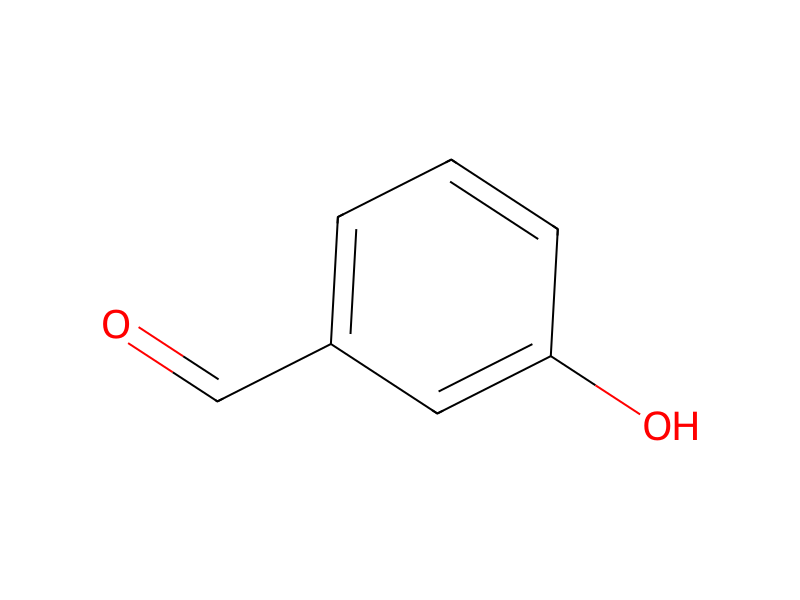
3-Hydroxybenzaldehyde → Methyl 2-(3-formylphenoxy)acetate

HRID 1250099
Print

Reaction equation

HRID 1250099 reaction equation
C(=O)([O-])[O-].[K+].[K+].[OH:7][C:8]1[CH:9]=[C:10]([CH:13]=[CH:14][CH:15]=1)[CH:11]=[O:12].Br[CH2:17][C:18]([O:20][CH3:21])=[O:19].O>CC(C)=O>[CH3:21][O:20][C:18](=[O:19])[CH2:17][O:7][C:8]1[CH:15]=[CH:14][CH:13]=[C:10]([CH:11]=[O:12])[CH:9]=1
ParticipantsProcedureWorkupSources & evidenceReaction notes

Participants

6

Reactant 4

HCID 1013-HydroxybenzaldehydeHCID 962WaterHCID 11430Potassium CarbonateHCID 60984Methyl bromoacetate

Product 1

HCID 1494380Methyl 2-(3-formylphenoxy)acetateYield 93.3%

Reagents, catalysts & solvents 1

HCID 180
Acetone
Solvent

Procedure

Powdered potassium carbonate (5 g) was added to a solution of 3-hydroxybenzaldehyde (3.1 g, 25 mmol) and methyl bromoacetate (4.6 g, 30 mmol) dissolved in acetone (40 mL), and the mixture was stirred under reflux for 4 hours. The reaction mixture was then poured into excess water, extracted with dichloromethane, and evaporated. The resultant yellow oil was distilled on the Kugelrohr (1 mmHg, 150° C.) to give (3-formylphenoxy)acetic acid methyl ester as a colorless oil (4.53 g, 93%).

Workup

  1. temperatureunder reflux for 4 hours
  2. extractionextracted with dichloromethane
  3. customevaporated
  4. distillationThe resultant yellow oil was distilled on the Kugelrohr (1 mmHg, 150° C.)

Sources & evidence

ORD record
ord-f1fe89ebf0964bbdbfc4ce6b7896ac67
Source dataset
uspto-grants-2002_01
DOI
10.6084/m9.figshare.5104873.v1
Patent number
US06335459B1

Reaction notes

On this pageParticipantsProcedureWorkupSources & evidenceReaction notes