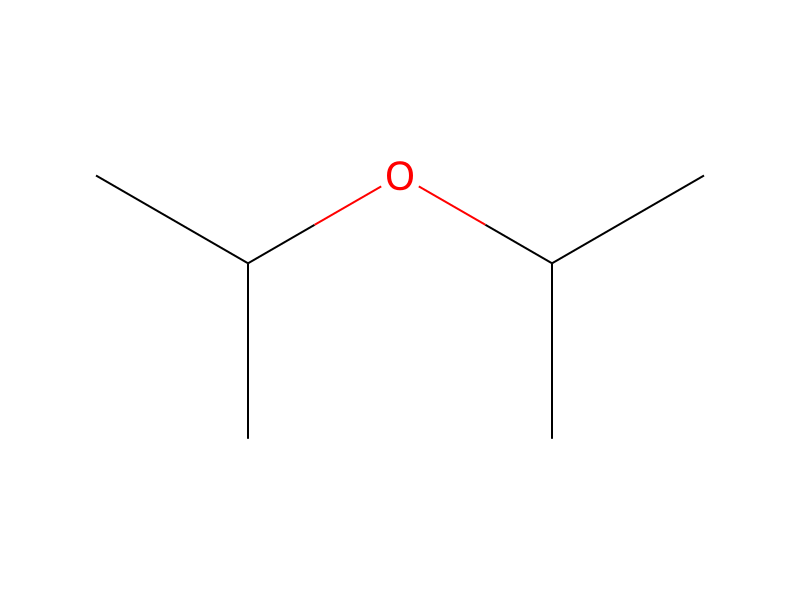
A solution under argon of 1.88 g (20.0 mmol) of 4-methylpyridazine and 3.36 g (20.0 mmol) of ethyl 4-fluorobenzoate in 50 ml of anhydrous tetrahydrofuran is cooled to 0° C. and then 20.0 ml (40.0 mmol) of a 2M solution of sodium hexamethyldisilazane in tetrahydrofuran (THF) are added dropwise. After the addition, the temperature is allowed to return to ambient temperature, while a gradual setting of the reaction medium is observed. After one hour, the mixture is poured into an aqueous solution of ammonium chloride and the product is extracted with ethyl acetate. The organic phase is dried over sodium sulfate, filtered and concentrated under reduced pressure to give an orangey-red solid. The latter is triturated at reflux in 80 ml of diisopropyl ether containing a few ml of isopropyl alcohol and the solid is then isolated by filtration after cooling to 0° C. 3.35 g of a pale yellow powder are thus isolated after drying.