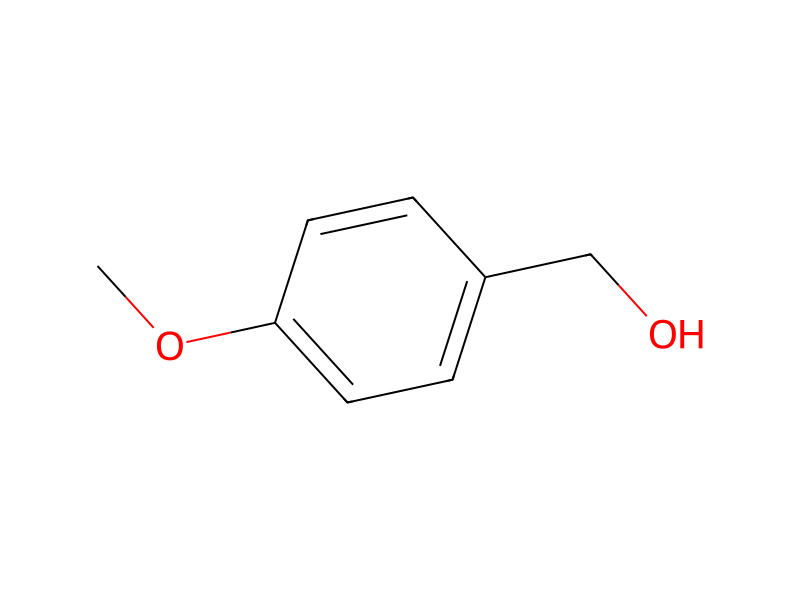
To an ice-cooled suspension of sodium hydride (60% dispersion in mineral oil, 650 mg, 16.3 mmol) in dry DMF (10 ml) was added 4-methoxybenzyl alcohol (2.24 g, 16.3 mmol) drop-wise via syringe. Vigorous evolution of hydrogen was observed and the reaction was allowed to warm to room temperature and stirred for 15 minutes. 4-Bromo-3,5-dimethoxypyridine (1.17 g, 5.41 mmol) was added and the reaction heated to 90° C. overnight. After cooling, only trace starting material could be detected by TLC analysis and the reaction was quenched with water and extracted with EtOAc. The organic layer was washed with water 3 times then brine, dried over MgSO4 and concentrated onto silica-gel under reduced pressure. The solid residue was purified by flash chromatography (silica-gel, eluted sequentially with EtOAc:hexanes, 2:1, 1:0) to give the product as a tan solid (865 mg, 58%). 1H—NMR (300 MHz, CDCl3) δ 7.96 (s, 2H), 7.33 (d, J=8.5 Hz, 2H), 6.84 (d, J=8.5 Hz, 2H), 5.11 (s, 2H), 3.89 (s, 6H), 3.78 (s, 3H). MS (ES+) m/z 276.1 (M+H+).