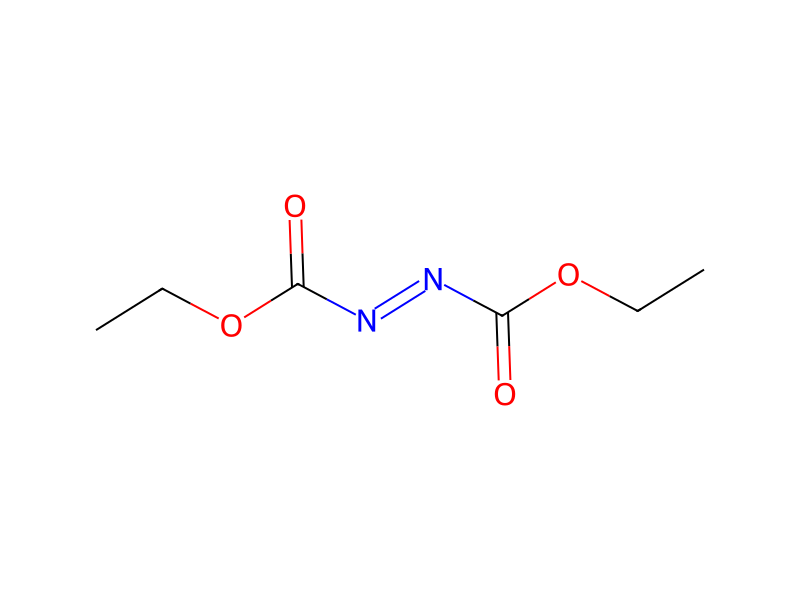
[Br:1][C:2]1[CH:7]=[CH:6][C:5]([OH:8])=[CH:4][CH:3]=1.[CH:9]1([CH2:15]C2C=CC=CC=2O)[CH2:14][CH2:13][CH2:12][CH2:11][CH2:10]1.C1(P(C2C=CC=CC=2)C2C=CC=CC=2)C=CC=CC=1.N(C(OCC)=O)=NC(OCC)=O.C1(C)C=CC=CC=1>O1CCCC1>[Br:1][C:2]1[CH:7]=[CH:6][C:5]([O:8][CH2:15][CH:9]2[CH2:14][CH2:13][CH2:12][CH2:11][CH2:10]2)=[CH:4][CH:3]=1To a solution of 4-bromophenol (6.0 g, 34.7 mmol), cyclohexylmethylphenol (4.3 ml, 34.7 mmol) and triphenylphosphine (9.1 g, 34.7 mmol) in tetrahydrofuran (100 ml) was added slowly a 40% solution of diethyl azodicarboxylate in toluene (15.1 ml, 34.7 mmol) in portions at 0° C. with stirring, and then the resulting mixture was stirred at room temperature for 3 hours. After stirring, the reaction mixture was evaporated in vacuo, and hexane was added to the residue. After filtration, the filtrate was evaporated in vacuo once again, and the residue was purified by chromatography on a silica gel column using a mixed solvent of ethyl acetate and hexane (1:20) as the eluent to afford 1-bromo-4-(cyclohexylmethoxy)benzene (5.1 g, yield: 54%).