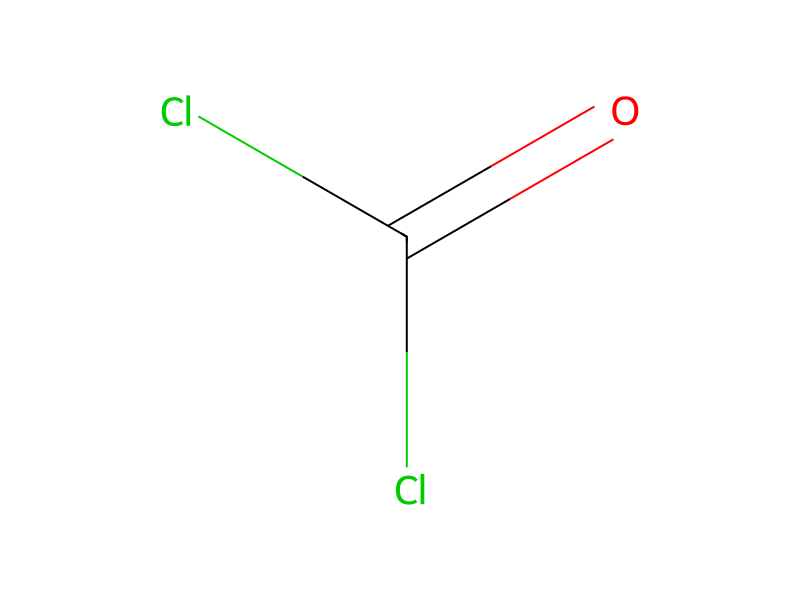
To a stirred solution, cooled to 0° C., of 5-(2-chlorophenyl) aminomethyl-4-amino-2-methylthiopyrimidine (7.0 g, 24.9 mmol) in 200 mL of tetrahydrofuran was added triethylamine (10 mL, 71.7 mmol). This solution was then treated dropwise with a solution of phosgene (14.2 mL of 20% solution in toluene, 27.2 mmol). After stirring for 2 hours, an additional 5.0 mL of triethylamine (35.9 mmol) was added followed by phosgene (6.5 mL of 20% solution in toluene; 12.5 mmol). After stirring for an additional 2 hours, additional triethylamine (21n, 14.3 mmol) was added followed by phosgene (3 mL of 20% solution in toluene; 5.8 mmol). The reaction was stirred for one additional hour then warmed to room temperature, poured onto a heterogeneous solution of 75 mL water and 150 mL ethyl acetate. The mixture was then filtered and the phases separated. The aqueous phase was re-extracted twice with 150 mL ethyl acetate. The combined ethyl acetate extracts were concentrated under reduced pressure. The residue was stirred with ethyl acetate. The product was then collected by vacuum filtration and dried in vacuo to give 3.2 g of 3-(2-chlorophenyl)-7-methylthio-3,4-dihydropyrimido[4,5-d]pyrimidin-2(1H)-one (sulfide 10.1)as a white solid.