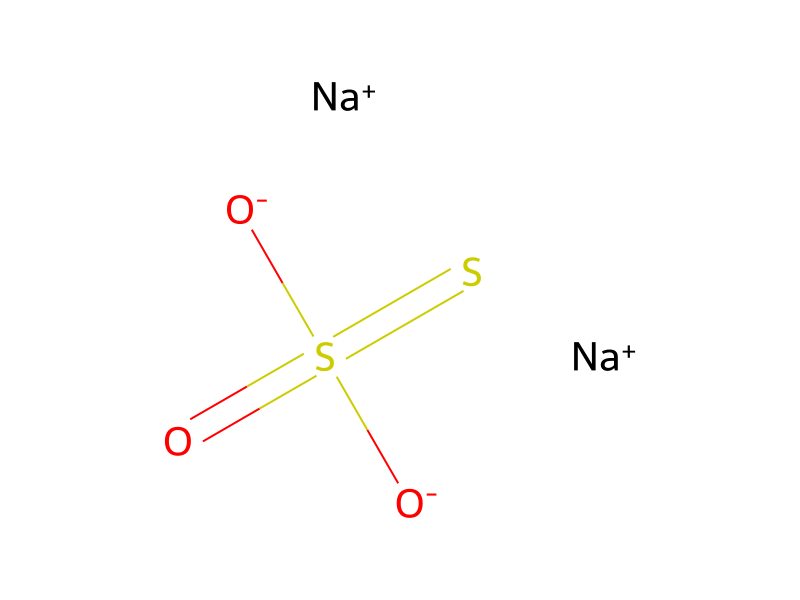
[Cl:1][C:2]1[CH:7]=[CH:6][CH:5]=[CH:4][C:3]=1[N:8]1[CH2:17][C:16]2[C:11](=[N:12][C:13](SC)=[N:14][CH:15]=2)[NH:10][C:9]1=[O:20].Cl[C:22]1C=CC=C(C(OO)=O)C=1.[S:32]([O-:36])([O-])(=[O:34])=S.[Na+].[Na+].C(OCC)(=O)C>C(Cl)(Cl)Cl.ClCCl>[Cl:1][C:2]1[CH:7]=[CH:6][CH:5]=[CH:4][C:3]=1[N:8]1[CH2:17][C:16]2[C:11](=[N:12][C:13]([S:32]([CH3:22])(=[O:36])=[O:34])=[N:14][CH:15]=2)[NH:10][C:9]1=[O:20]A suspension of 3-(2-chlorophenyl)-7-methylthio-3,4-dihydropyrimido[4,5-d]pyrimidin-2(1H)-one (4.1 g, 12.8 mmol) in 50 mL of chloroform was cooled in ice and treated with 70% 3-chloroperbenzoic acid (9.8 g, 39.8 mmol). The mixture was stirred at room temperature for 2 hours, then treated twice with 100 mL of 10% aqueous sodium thiosulfate and left to stir for 30 minutes. The reaction was diluted with 400 mL dichloromethane and the phases were separated. The organic phase was washed with a saturated aqueous solution of sodium bicarbonate and then dried over magnesium sulfate and filtered. Concentration of the filtrate under reduced pressure gave a solid which was stirred with ethyl acetate, then filtered to give 2.6 g of 3-(2-chloro-phenyl)-7-methylsulfonyl-3,4-dihydropyrimido[4,5-d]pyrimidin-2(1H)-one (sulfone 11.1) as a white solid. (MH+=364)