Reaction equation

[OH:1][C:2]1[CH:3]=[C:4]([CH:7]=[CH:8][CH:9]=1)[CH2:5][OH:6].C(=O)([O-])[O-].[K+].[K+].Br[C:17]1[CH:22]=[CH:21][CH:20]=[CH:19][C:18]=1[CH2:23][C:24]([OH:26])=[O:25].Cl>O.CN(C=O)C>[OH:6][CH2:5][C:4]1[CH:3]=[C:2]([CH:9]=[CH:8][CH:7]=1)[O:1][C:17]1[CH:22]=[CH:21][CH:20]=[CH:19][C:18]=1[CH2:23][C:24]([OH:26])=[O:25]Participants
7
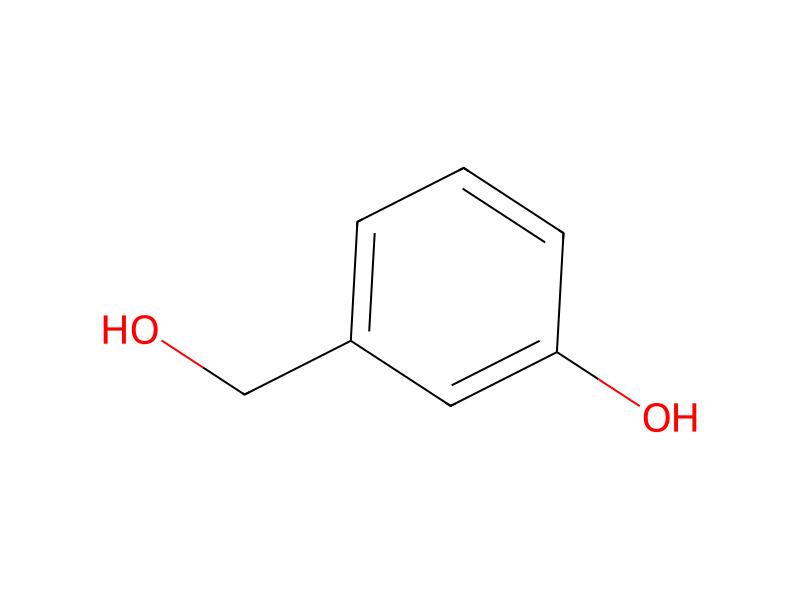






Conditions
- Temperature
- 140 °C
Procedure
3-Hydroxybenzyl alcohol (31.0 g) was ground finely and stirred with potassium carbonate (34.6 g), 2-bromophenylacetic acid (26.9 g) and cuprous chloride (large spatula full) under nitrogen. The mixture was warmed to 140° C., and stirred vigorously for 31/2 hours. DMF (60 ml) was then added to the stirred melt and the solution was allowed to cool, poured into water and acidified with dilute hydrochloric acid. The aqueous layer was extracted with ether, and the ether extracts were washed with water, dried and evaporated to give 2-(3-hydroxymethylphenoxy)phenylacetic acid as a brown oil (42.03 g) which was used without further purification.
Workup
- temperatureto cool
- extractionThe aqueous layer was extracted with ether
- washthe ether extracts were washed with water
- customdried
- customevaporated
Sources & evidence
- ORD record
- ord-ccde36f6580d4ba39e2922e675ab5822
- Source dataset
- uspto-grants-1995_11
- Patent number
- US05468857
Linked notes
Loading…