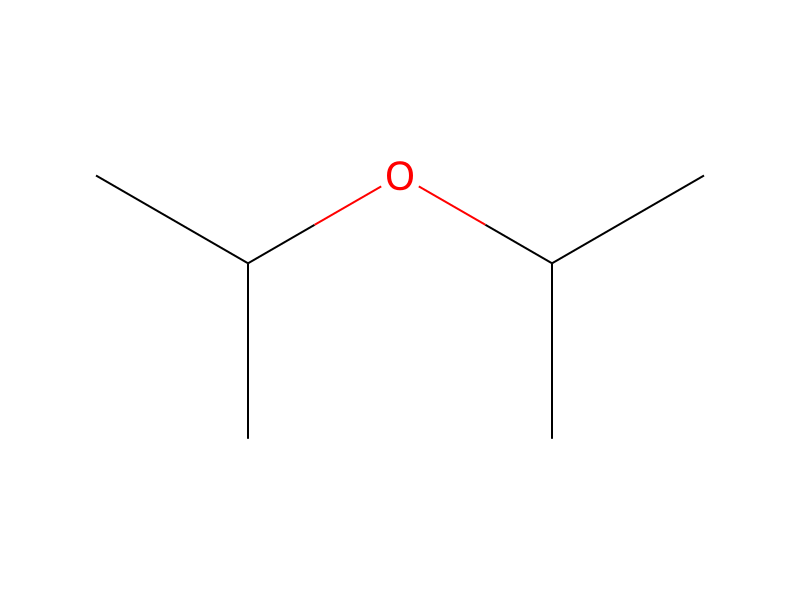
[Cl:1][C:2]1[CH:3]=[C:4]([CH:18]=[CH:19][C:20]=1[O:21][CH3:22])[CH2:5][NH:6][C:7]1[C:12]([C:13]([OH:15])=[O:14])=[C:11]([Cl:16])[N:10]=[C:9]([Cl:17])[N:8]=1.[C:23](=O)([O-])O.[Na+].CI.C(OC(C)C)(C)C>C(Cl)Cl.CCCCCC.CN(C)C=O>[Cl:1][C:2]1[CH:3]=[C:4]([CH:18]=[CH:19][C:20]=1[O:21][CH3:22])[CH2:5][NH:6][C:7]1[C:12]([C:13]([O:15][CH3:23])=[O:14])=[C:11]([Cl:16])[N:10]=[C:9]([Cl:17])[N:8]=1A mixture of 4-(3-chloro-4-methoxybenzylamino)-5-carboxy-2,6-dichloropyrimidine (prepared in the above (1)) 17.55 g, sodium hydrogen carbonate 4.07 g, methyl iodide 5.48 ml and dimethylformamide 50 ml is stirred overnight at room temperature. The reaction mixture is diluted an aqueous saturated sodium hydrogen carbonate solution and extracted with ethyl acetate. The organic layer is washed, dried and concentrated in vacuo to give a pale yellow solid. The solid is suspended in a mixture of methylene chloride, isopropyl ether and hexane, and filtered. The precipitate is washed with a mixture of isopropyl ether and hexane to give 4-(3-chloro-4-methoxybenzylamino)-5-methoxycarbonyl-2,6-dichloropyrimidine as a colorless crystalline powder 8.64 g. mp 118–119° C.