Reaction equation

N(C(OC(C)C)=O)=NC(OC(C)C)=O.O[CH2:16][CH2:17][N:18]([CH3:32])[CH2:19][C:20]([NH:22][C:23]1[CH:28]=[CH:27][CH:26]=[C:25]([N+:29]([O-:31])=[O:30])[CH:24]=1)=O.C(P(CCCC)CCCC)CCC.Cl>CCOC(C)=O>[CH3:32][N:18]1[CH2:19][CH2:20][N:22]([C:23]2[CH:28]=[CH:27][CH:26]=[C:25]([N+:29]([O-:31])=[O:30])[CH:24]=2)[CH2:16][CH2:17]1Participants

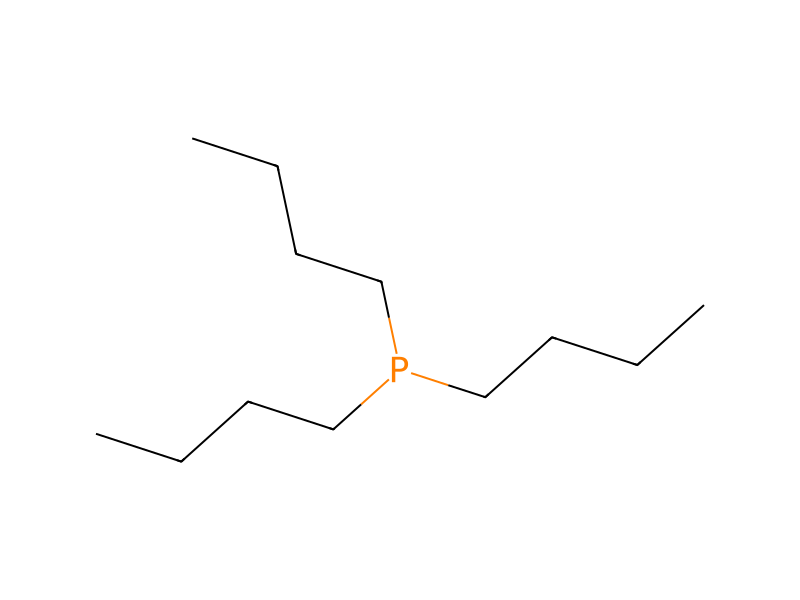




Conditions
- Temperature
- 0 °C
Procedure
A solution of diisopropyl azodicarboxylate (51.4 mmol, 1.3 eq) in EtOAc (20 mL) was added to N2-(2-hydroxyethyl)-N2-methyl-N1-(3-nitrophenyl)glycinamide (10 g, 39.5 mmol) and tributylphosphine (13 mL, 51.4 mmol, 1.3 eq.) in EtOAc (50 mL) over a 60-min period during which time the internal reaction temperature was maintained between 25° C. and 30° C. Ethanolic HCl (2.0 M solution, 20 mL) was added dropwise and the resulting slurry was cooled to 0° C. and stirred for an additional hour. The solid was collected by filtration, washed with isopropanol and dried in vacuo at 40° C. for 18 h to give the desired 1-methyl-4-(3-nitrophenyl)piperazine, which was used in the next step without further purification (8.43 g, 79% yield) 1H NMR (400 MHz, DMSO-d6) δ ppm 11.90 (1H, br s) 8.28 (1H, t, J=2.15 Hz) 8.20 (1H, ddd, J=8.08, 2.27, 1.01 Hz) 7.85 (1H, d, J=2.02 Hz) 7.84 (1H, d, J=2.02 Hz) 7.77 (1H, t, J=8.08 Hz) 4.04 (3H, br. s.) 3.66 (1H, br. s.) 3.56 (1H, br. s.) 2.92 (4H, s).
Workup
- temperaturewas maintained between 25° C. and 30° C
- filtrationThe solid was collected by filtration
- washwashed with isopropanol
- customdried in vacuo at 40° C. for 18 h
Sources & evidence
- ORD record
- ord-70f8c10bad114f038ce986f5c8b9f82a
- Source dataset
- uspto-grants-2011_02
- Patent number
- US07884098B2
Linked notes
Loading…