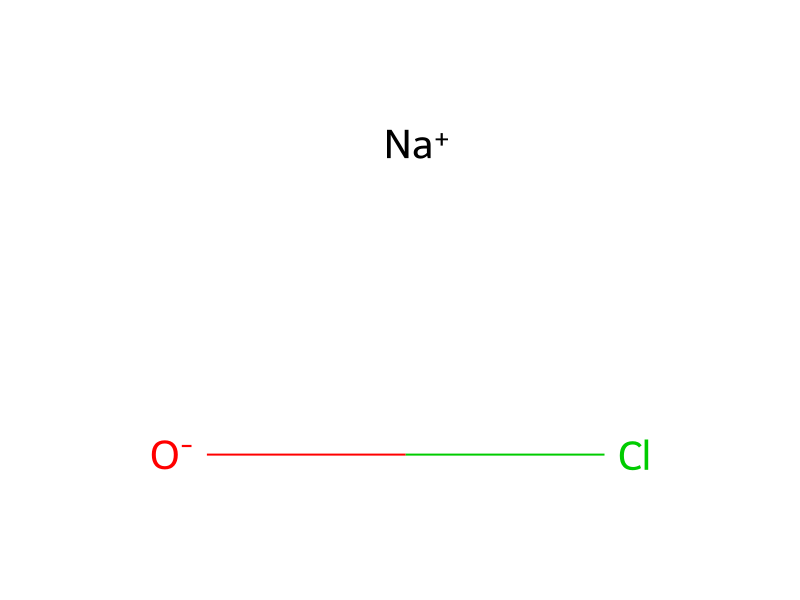
Preparation C7, Step 2: Preparation of monochloramine by the method of John Hynes, Jr., et al., J. Org. Chem., 2004, 69, 1368: NH4Cl (3 g, 56 mmol, was mixed in ether (110 mL) and cooled to −5° C. Concentrated NH4OH (4.7 mL) was then added followed by dropwise addition of bleach (Chlorox, 72 mL) over 15 minutes. The mixture was stirred for 15 minutes, the layers separated and the organic layer washed with brine. The organic layer was dried over powdered CaCl2 in the freezer for 1 h and used for the subsequent step immediately. Ethyl 4-tert-butyl-1H-pyrrole-2-carboxylate (1.67 g, 8.6 mmol, 1 eq) was dissolved in DMF. Sodium hydride (60% suspension in oil) (0.41 g, 10 mmol, 1.2 eq) was then added thereto cautiously and stirred for 45 minutes at RT under nitrogen. Monochloramine was then added (0.15M in ether, 68.4 mL, 10 mmol, 1.2 eq). The next morning, the reaction is quenched with saturated aqueous Na2S2O3, diluted with water and extracted into ether. The ether layer is dried, filtered and stripped to yield 3.19 g of ethyl 3-tert-butyl-1-aminopyrrole-5-carboxylate as a yellow oil which eventually crystallized as long needles. MS found: (M+H)+=211.34.