HomeMCPWorkbenchSkills
HomeWorkbenchNotificationsMe
llms.txt · MCP GuidePrivacy Policy · Terms of Service · Supportv1.8.3
  1. Home
  2. /Reaction

Phosgene → HCID 10596787, compound

HRID 1378760
Print

Reaction equation

HRID 1378760 reaction equation
[CH:1]1([C:4]2[O:8][N:7]=[C:6]([C:9]3[N:10]=[CH:11][N:12]4[C:21]5[C:16](=[C:17]([F:22])[CH:18]=[CH:19][CH:20]=5)[NH:15][CH2:14][C:13]=34)[N:5]=2)[CH2:3][CH2:2]1.[CH:23]([N:26]([CH:29]([CH3:31])C)[CH2:27]C)([CH3:25])C.C(Cl)(Cl)=[O:33].N1CCCC1>C1COCC1.O>[CH:1]1([C:4]2[O:8][N:7]=[C:6]([C:9]3[N:10]=[CH:11][N:12]4[C:21]5[C:16](=[C:17]([F:22])[CH:18]=[CH:19][CH:20]=5)[N:15]([C:27]([N:26]5[CH2:23][CH2:25][CH2:31][CH2:29]5)=[O:33])[CH2:14][C:13]=34)[N:5]=2)[CH2:3][CH2:2]1
ParticipantsProcedureWorkupSources & evidenceReaction notes

Participants

7

Reactant 4

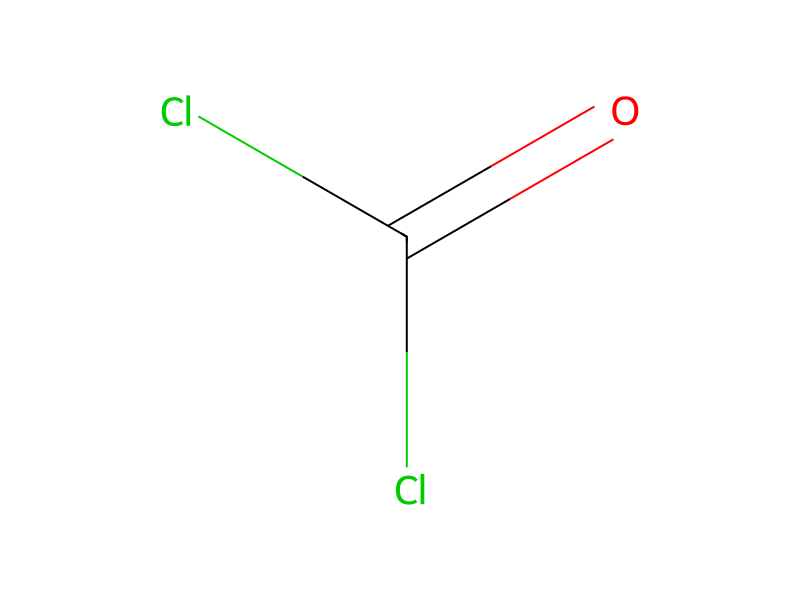
HCID 6371PhosgeneHCID 31268PyrrolidineHCID 81531Diisopropylethylamine2×HCID 101086453-(5-Cyclopropyl-1,2,4-oxadiazol-3-yl)-6-fluoro-4,5-dihydroimidazo[1,5-a]quinoxaline

Product 1

HCID 10596787HCID 10596787, compound

Reagents, catalysts & solvents 2

HCID 962
Water
Solvent
HCID 8028TetrahydrofuranSolvent

Procedure

To 3-(5-cyclopropyl-1,2,4-oxadiazol-3-yl)-6-fluoro-4,5-dihydroimidazo[1,5-a]quinoxaline (XXXIII, EXAMPLE 103, 0.418 g) in THF (15 ml) is added diisopropylethylamine (0.245 ml) followed by phosgene (1.2M in toluene, 1.76 ml). The reaction is stirred for 3 hr, after which pyrrolidine (0.23 ml) and diisopropylethylamine (0.25 ml) are added. The reaction is stirred for 1 hr, then treated with several ml of water and concentrated. The residue is partitioned between dichloromethane, aqueous sodium bicarbonate, and saline. The phases are separated, the organic phase is dried over sodium sulfate and concentrated. The crude product is chromatographed on silica gel (150 ml) eluting with methanol/dichloromethane (2/98). The appropriate fractions are pooled and concentrated to give the product which is recrystallized from dichloromethane and hexane to give the title compound, mp 220.5°-221.5°; MS m/z at 394; IR (mineral oil) 1500, 1392, 1662, 1221, 793 and 1613 cm-1 ; NMR (CDCl3), 1.35, 1.86, 2.26, 3.33, 5.10, 7.08, 7.21, 7.37 and 8.11 δ.

Workup

  1. stirringThe reaction is stirred for 1 hr
  2. concentrationconcentrated
  3. customThe residue is partitioned between dichloromethane, aqueous sodium bicarbonate, and saline
  4. customThe phases are separated
  5. dry with materialthe organic phase is dried over sodium sulfate
  6. concentrationconcentrated
  7. customThe crude product is chromatographed on silica gel (150 ml)
  8. washeluting with methanol/dichloromethane (2/98)
  9. concentrationconcentrated
  10. customto give the product which
  11. customis recrystallized from dichloromethane and hexane

Sources & evidence

ORD record
ord-70639022a1db408f98e217553f082574
Source dataset
uspto-grants-1997_09
DOI
10.6084/m9.figshare.5104873.v1
Patent number
US05668282

Reaction notes

On this pageParticipantsProcedureWorkupSources & evidenceReaction notes