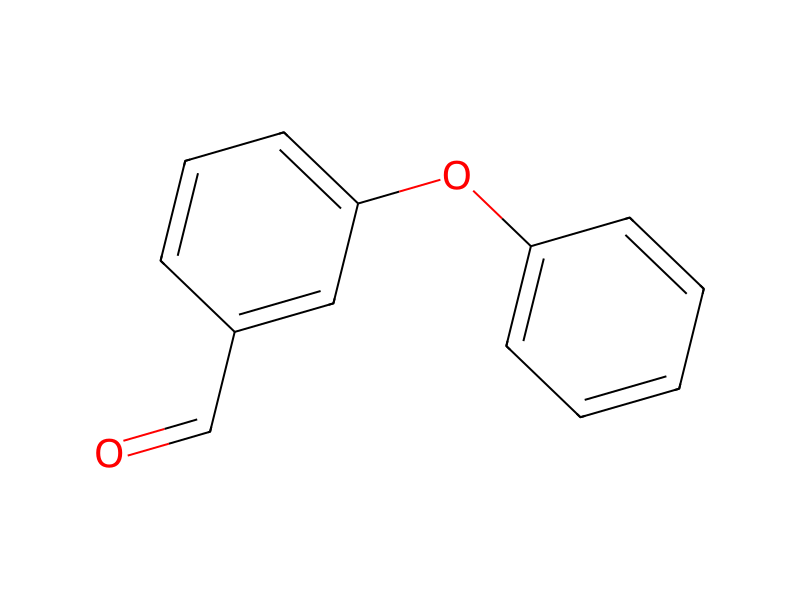
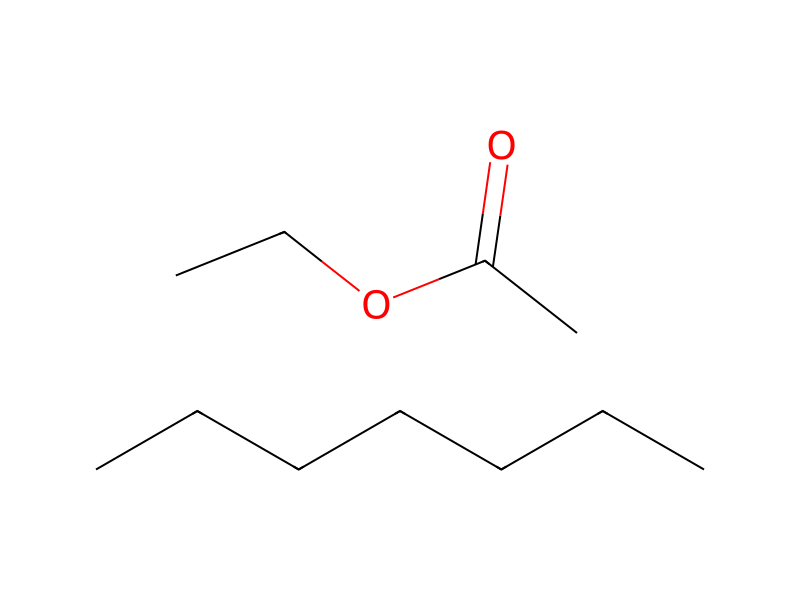
To a stirred solution of 23.4 g (0.188 mole) of 3-phenoxybenzaldehyde in 175 mL of 1,4-dioxane was added 45.2 grams (0.130 mole) of ethoxycarbonylmethylenetriphenylphosphorane in one portion. The reaction was allowed to stir at ambient temperature overnight. The solvent was evaporated under reduced pressure, leaving a residue which was dissolved in ethyl acetate. Approximately 30 grams of silica gel was mixed with this solution. This solvent was evaporated under reduced pressure, and the silica gel was placed in a sintered glass filter. The silica gel was eluted with 1000 mL of heptane/ethyl acetate (3:1). The solvent was evaporated under reduced pressure, leaving an oil. This oil was dissolved in 150 mL of heptane/ethyl acetate (9:1), treated with 15 grams of silica gel, and filtered. The filtrate was evaporated under reduced pressure, leaving 26.7 grams of ethyl 3-(3-phenoxyphenyl)acrylate as an oil. The nmr spectrum was consistent with the proposed structure.