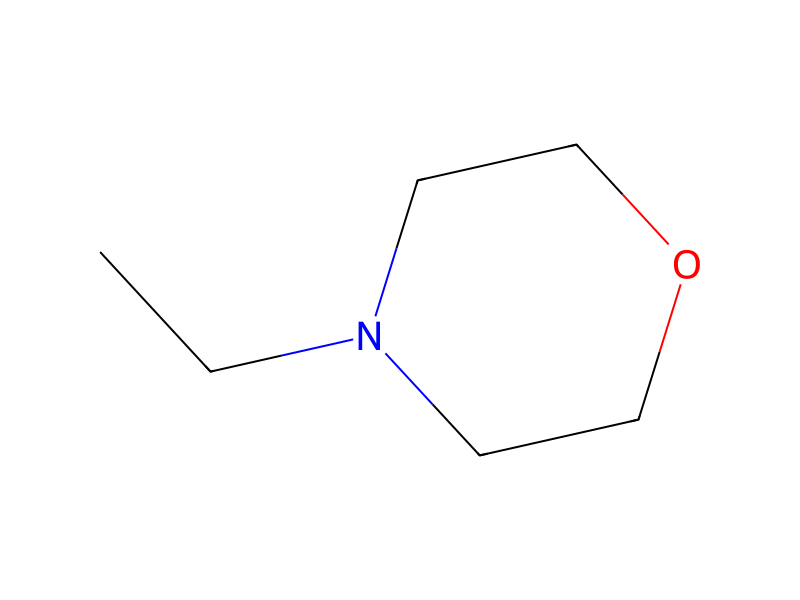
[NH2:1][C:2]1[CH:3]=[C:4]([CH:14]=[CH:15][CH:16]=1)[C:5]([NH:7][C:8]1[CH:13]=[CH:12][CH:11]=[CH:10][CH:9]=1)=[O:6].[Cl:17][C:18]1[CH:19]=[C:20](I)[CH:21]=[C:22]([Cl:24])[CH:23]=1.C(N1CCOCC1)C.Cl>CN(C)C=O.C(Cl)(Cl)Cl.C([O-])(=O)C.[Cu+2].C([O-])(=O)C.O>[Cl:17][C:18]1[CH:19]=[C:20]([NH:1][C:2]2[CH:3]=[C:4]([CH:14]=[CH:15][CH:16]=2)[C:5]([NH:7][C:8]2[CH:13]=[CH:12][CH:11]=[CH:10][CH:9]=2)=[O:6])[CH:21]=[C:22]([Cl:24])[CH:23]=1A mixture of 3-amino-N-phenyl-benzamide (2.0 g, 9.4 mmol), 3,5-dichloroiodobenzene (2.65 g, 9.7 mmol), N-ethylmorpholine (1.1 g, 9.5 mmol), and copper(II) acetate (0.1 g, 0.6 mmol) in N,N-dimethylformamide (6 mL) was stirred under an inert atmosphere and heated to reflux. After 120 hours, the mixture was allowed to cool and was stirred into water (300 mL) and acidified with concentrated hydrochloric acid. The mixture was extracted with dichloromethane (300 mL) and the extract separated and washed successively with 2N hydrochloric acid, water, 0.5 M aqueous potassium carbonate, water, and saturated aqueous sodium chloride, then dried over MgSO4. The solution was filtered and stripped of solvent under reduced pressure to leave a solid residue which was subjected to chromatography on a column of silica gel in chloroform to afford the product (0.1 g); m.p. 164-165° C. after recrystallization from ethyl alcohol.