Reaction equation

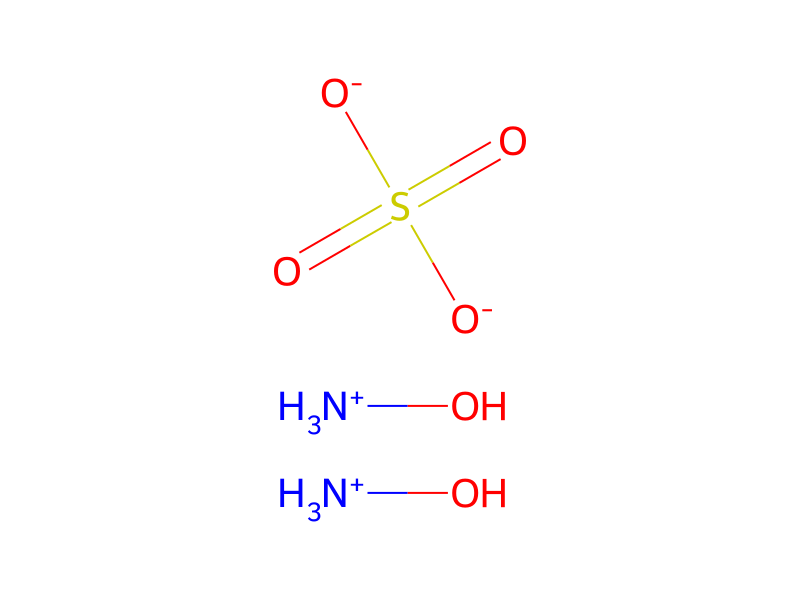
[N+:1]([C:4]1[C:17]2[C:16](=[O:18])[C:15]3[C:10](=[CH:11][CH:12]=[CH:13][CH:14]=3)[C:9](=[O:19])[C:8]=2[CH:7]=[CH:6][C:5]=1[C:20]([OH:22])=[O:21])([O-])=O.S([O-])([O-])(=O)=O.O[NH3+:29].O[NH3+].[OH-].[Na+].Cl>O.C(O)(C)C>[NH2:1][C:4]1[C:17]2[C:16](=[O:18])[C:15]3[C:10](=[CH:11][CH:12]=[CH:13][CH:14]=3)[C:9](=[O:19])[C:8]=2[C:7]([NH2:29])=[CH:6][C:5]=1[C:20]([OH:22])=[O:21]Participants
7






Procedure
10 parts of 1-nitroanthraquinone-2-carboxylic acid and 2 parts of hydroxylammonium sulfate are suspended at room temperature in 60 parts of isopropanol and 100 parts of 4 N sodium hydroxide. The mixture is refluxed for 3 hours, then cooled to room temperature, diluted with water and acidified with hydrochloric acid. The mixture is filtered and the filter cake is washed netural with water and dried, affording 7 parts of 1,4-diaminoanthraquinone-2-carboxylic acid.
Workup
- temperatureThe mixture is refluxed for 3 hours
- filtrationThe mixture is filtered
- washthe filter cake is washed netural with water
- customdried
Sources & evidence
- ORD record
- ord-44fa58a277ca4c8d98acd7cf18fe4012
- Source dataset
- uspto-grants-1981_01
- Patent number
- US04243600
Linked notes
Loading…