HomeMCPWorkbenchSkills
HomeWorkbenchNotificationsMe
llms.txt · MCP GuidePrivacy Policy · Terms of Service · Supportv1.8.3
  1. Home
  2. /Reaction

Oxygen → Dibutyl Oxalate

HRID 1415493
Print

Reaction equation

HRID 1415493 reaction equation
C(N(CC)CC)C.S([O-])([O-])(=O)=O.C([NH+](CC)CC)C.C([NH+](CC)CC)C.C([O:31][C:32]1([O:38][CH2:39][CH2:40][CH2:41][CH3:42])[CH2:37]CCCC1)CCC.[C:43]1(=[O:49])CC[CH2:46][CH2:45][CH2:44]1.[O:50]=O>[Pd](I)I.S([O-])([O-])(=O)=O.[Cu+2].[I-].[Li+].C(O)CCC>[C:32]([O:38][CH2:39][CH2:40][CH2:41][CH3:42])(=[O:31])[C:37]([O:49][CH2:43][CH2:44][CH2:45][CH3:46])=[O:50]
ParticipantsProcedureWorkupSources & evidenceReaction notes

Participants

10

Reactant 5

HCID 977OxygenHCID 7967Cyclohexanone2×HCID 8471TriethylamineHCID 2437181,1-DibutoxycyclohexaneHCID 23048603Triathylammoniumsulfat

Product 1

HCID 16306Dibutyl OxalateYield 98%

Reagents, catalysts & solvents

4
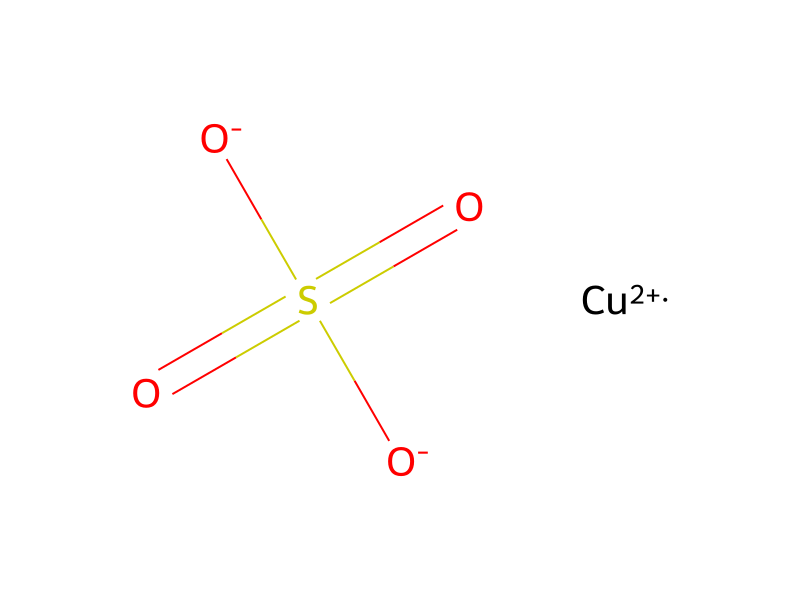
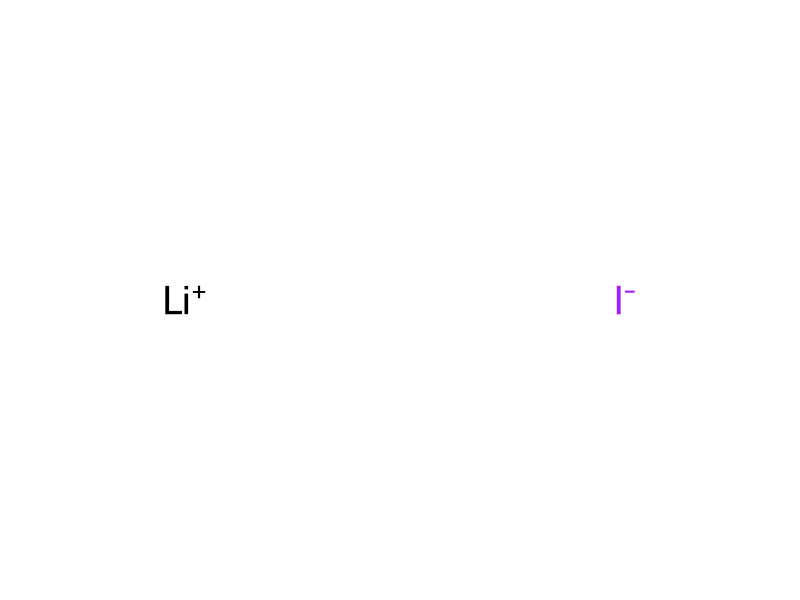
HCID 24462Copper SulfateCatalystHCID 66321Lithium iodideCatalystHCID 424947Palladium diiodideCatalystHCID 2631-ButanolSolvent3×

Procedure

The following materials were charged to the autoclave: a solution of 0.19 g. lithium iodide (1.41 mmoles), 2.34 g. triethylamine (23.0 mmoles), 6.96 g. triethylammonium sulfate (23.0 mmoles), 50 ml n-butanol (0.546 mole), and 61.7 g. of a mixture of 70.6 weight percent cyclohexanone di-n-butyl ketal (0.191 mole), 8.4 weight percent cyclohexanone, and 19.6 weight percent n-butanol (0.163 mole). The charged solids were 0.25 g. palladium (II) iodide (0.69 mmole) and 3.70 g. anhydrous copper (II) sulfate (23.0 mmoles). The reaction temperature was 100° C. The initial pressure at reaction temperature was 1500 psi. 100 psi oxygen was charged followed by 200 psi CO. An exotherm and pressure drop were noted. The oxygen/CO cycle was repeated seven more times. A total of 1870 psi pressure drop was observed during a reaction time of approximately 4.1 hours. The total pressure varied between 1500 and 2190 psi. According to gas-liquid chromatographic analysis, cyclohexanone and n-butanol were present while all of the ketal was consumed. Di-n-butyl oxalate (27.3 g.; 98 percent; 0.132 mole) was isolated by distillation and identified by spectroscopic analysis. Di-n-butyl carbonate was detected in the distillate.


Workup

  1. additionThe following materials were charged to the autoclave
  2. customwas 100° C
  3. customThe initial pressure at reaction temperature
  4. customwas observed during a reaction time of approximately 4.1 hours
  5. customwas consumed

Sources & evidence

ORD record
ord-b033811091904c4691eef3cca25d82f4
Source dataset
uspto-grants-1977_01
DOI
10.6084/m9.figshare.5104873.v1
Patent number
US04005131

Reaction notes

On this pageParticipantsProcedureWorkupSources & evidenceReaction notes