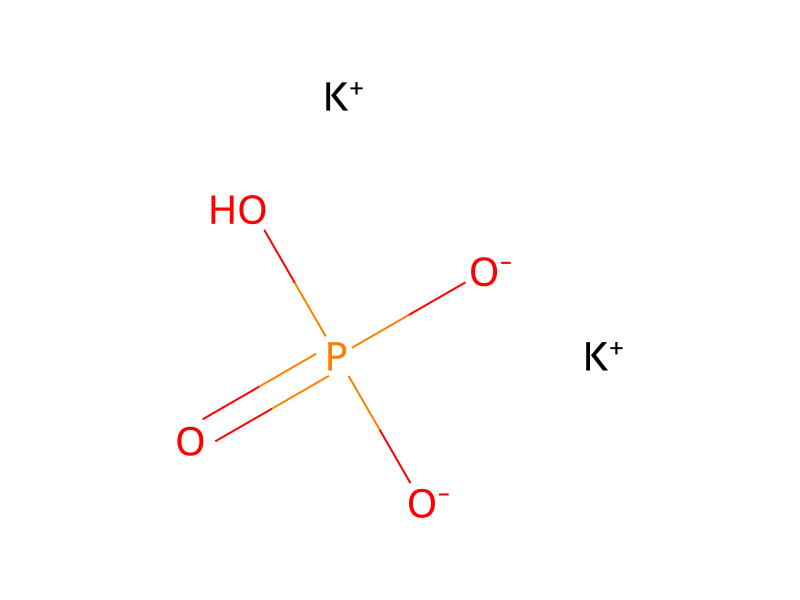
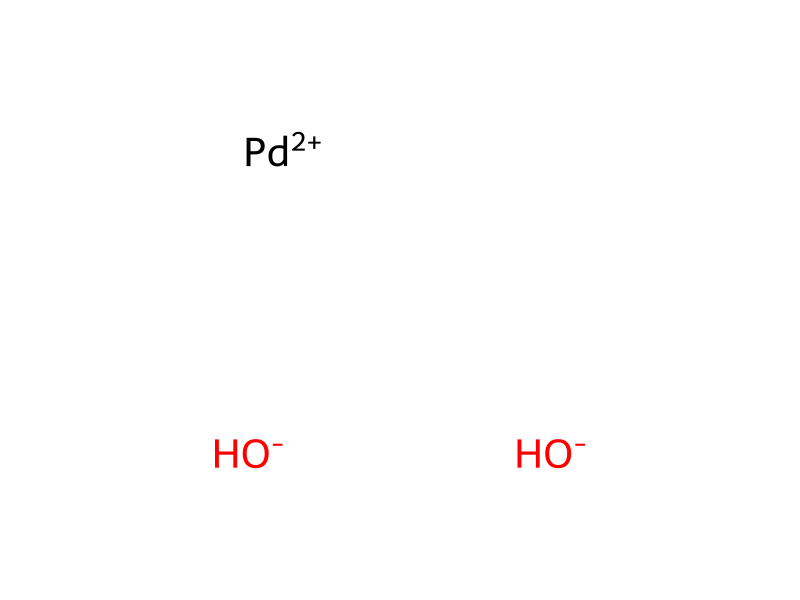
A solution of 1-(diphenylmethyl)-3-methyl-3-azetidinol hydrochloride (3.00 g, 10.4 mmol) in 2:1 methanol/tetrahydrofuran (60 mL) was treated with triethylamine (1.00 g, 1.40 mL, 10.4 mmol) and then palladium hydroxide/carbon (0.300 g) under a N2 stream. The mixture was shaken on a Parr apparatus under 40 psi H2. TLC analysis (2:1 hexane/ethyl acetate) after 2.5 h revealed the hydrogenolysis to be complete. The reaction mixture was filtered through Celite® (dichloromethane wash) and the filtrate concentrated under reduced pressure to give an oil which was immediately taken-up in dry dimethyl sulfoxide (15 mL) and treated with dipotassium hydrogen phosphate (3.40 g, 19.8 mmol) and 3,4-difluoronitrobenzene (1.60 g, 1.10 mL, 9.9 mmol) at ambient temperature under N2. After stirring 16 hours at his temperature, TLC analysis (2:1 hexane/ethyl acetate) revealed the reaction to be essentially complete. The reaction mixture was transferred to a separatory funnel along with dichloromethane (100 mL) and water (150 mL). After shaking, the organic phase was separated. The aqueous phase was back-extracted with dichloromethane and the combined organic extracts washed with water, dried over sodium sulfate, filtered and concentrated in vacuo to an oil. Chromatography over silica gel, eluting with 3:1 hexane/ethyl acetate, afforded, after concentration of appropriate fractions, 2.15 g (98%) of the title compound as an orange solid with mp 109°-110° C. and MS(EI) 226 (M+).