HomeMCPWorkbenchSkills
HomeWorkbenchNotificationsMe
llms.txt · MCP GuidePrivacy Policy · Terms of Service · Supportv1.8.3
  1. Home
  2. /Reaction

Triethylamine → N-(4-tert-butylphenyl)-6-(3-chloropyridin-2-yl)-1,2-benzisothiazol-3-amine 1,1-dioxide

HRID 1434714
Print

Reaction equation

HRID 1434714 reaction equation
[Cl:1][C:2]1[C:3]([C:8]2[CH:19]=[CH:18][C:11]3[C:12](O)=[N:13][S:14](=[O:16])(=[O:15])[C:10]=3[CH:9]=2)=[N:4][CH:5]=[CH:6][CH:7]=1.O=P(Cl)(Cl)Cl.[C:25]([C:29]1[CH:35]=[CH:34][C:32]([NH2:33])=[CH:31][CH:30]=1)([CH3:28])([CH3:27])[CH3:26].C(N(CC)CC)C>O1CCCC1>[C:25]([C:29]1[CH:30]=[CH:31][C:32]([NH:33][C:12]2[C:11]3[CH:18]=[CH:19][C:8]([C:3]4[C:2]([Cl:1])=[CH:7][CH:6]=[CH:5][N:4]=4)=[CH:9][C:10]=3[S:14](=[O:16])(=[O:15])[N:13]=2)=[CH:34][CH:35]=1)([CH3:28])([CH3:26])[CH3:27]
ParticipantsConditionsProcedureWorkupSources & evidenceReaction notes

Participants

6

Reactant 4

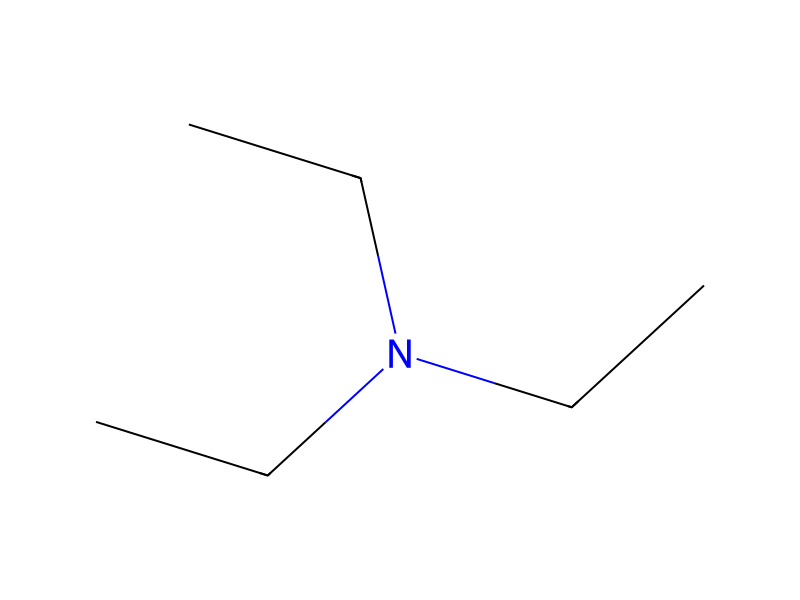
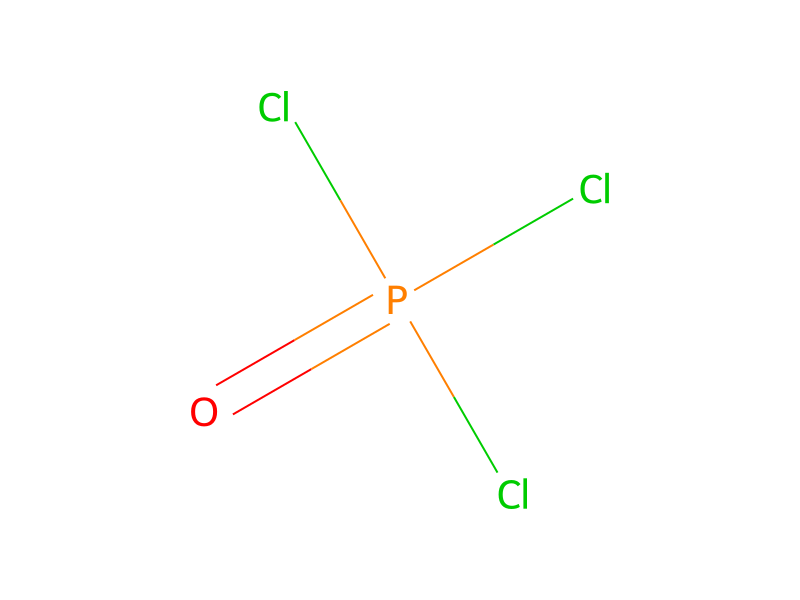
HCID 8471TriethylamineHCID 24813Phosphorus oxychlorideHCID 698614-Tert-ButylanilineHCID 178527199HCID 178527199, compound

Product 1

HCID 11582675N-(4-tert-butylphenyl)-6-(3-chloropyridin-2-yl)-1,2-benzisothiazol-3-amine 1,1-dioxide

Reagents, catalysts & solvents 1

HCID 8028
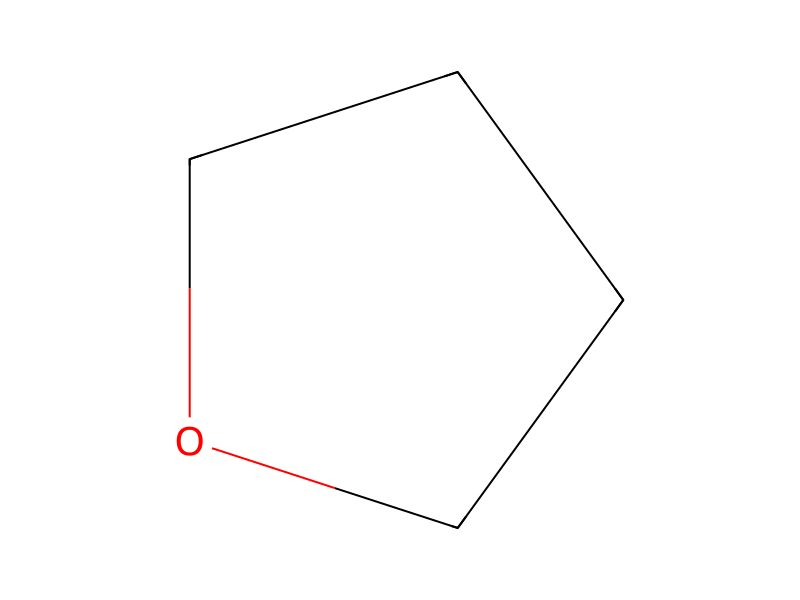
Tetrahydrofuran
Solvent
2×

Conditions

Temperature
90 °C

Procedure

A suspension of the product of Example 1B (0.1507 g, 0.51 mmol) in POCl3 (4.0 mL, 42.9 mmol) was stirred at 90° C. for 90 minutes, cooled to room temperature and excess POCl3 was removed under vacuum. The resulting residue was treated with 4-tert-butylaniline (0.1027 g, 0.69 mmol) in tetrahydrofuran (3 mL), followed by the addition of a solution of triethylamine (0.25 mL, 1.79 mmol) in tetrahydrofuran (2 mL), and stirred at room temperature for 16 hours. The reaction mixture was quenched with saturated NaHCO3 (5 mL) and diluted with dichloromethane (5 mL). The isolated aqueous phase was extracted with dichloromethane (2×10 mL). The combined organic fractions were dried (MgSO4), filtered and concentrated. The residue was purified by silica gel column chromatography, eluted with ethyl acetate/dichloromethane to afford the title compound. MS (ESI+) m/z 426 (M+H)+; (ESI−) m/z 424 (M−H)−; 1H NMR (300 MHz, DMSO-d6) δ 1.32 (s, 9H), 7.55 (m, 3H), 7.79 (m, 2H), 8.16 (dd, J=8.3, 1.5 Hz, 1H), 8.22 (d, J=8.1 Hz, 1H), 8.30 (s, 1H), 8.60 (d, J=8.1 Hz, 1H), 8.71 (dd, J=4.7, 1.4 Hz, 1H), 10.94 (s, 1H).

Workup

  1. temperaturecooled to room temperature
  2. customexcess POCl3 was removed under vacuum
  3. stirringstirred at room temperature for 16 hours
  4. customThe reaction mixture was quenched with saturated NaHCO3 (5 mL)
  5. additiondiluted with dichloromethane (5 mL)
  6. extractionThe isolated aqueous phase was extracted with dichloromethane (2×10 mL)
  7. dry with materialThe combined organic fractions were dried (MgSO4)
  8. filtrationfiltered
  9. concentrationconcentrated
  10. customThe residue was purified by silica gel column chromatography
  11. washeluted with ethyl acetate/dichloromethane

Sources & evidence

ORD record
ord-ac9c136e82ad462996f1ff250d1d82b2
Source dataset
uspto-grants-2009_11
DOI
10.6084/m9.figshare.5104873.v1
Patent number
US07615570B2

Reaction notes

On this pageParticipantsConditionsProcedureWorkupSources & evidenceReaction notes