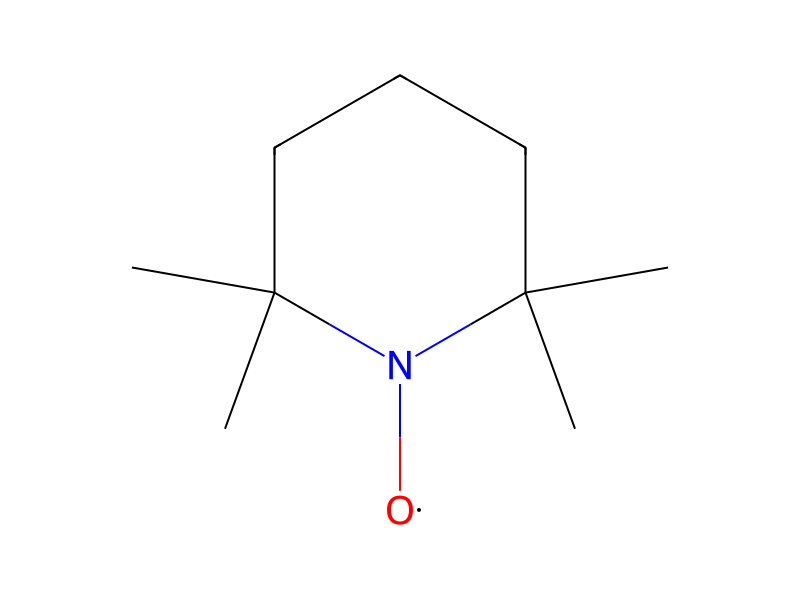
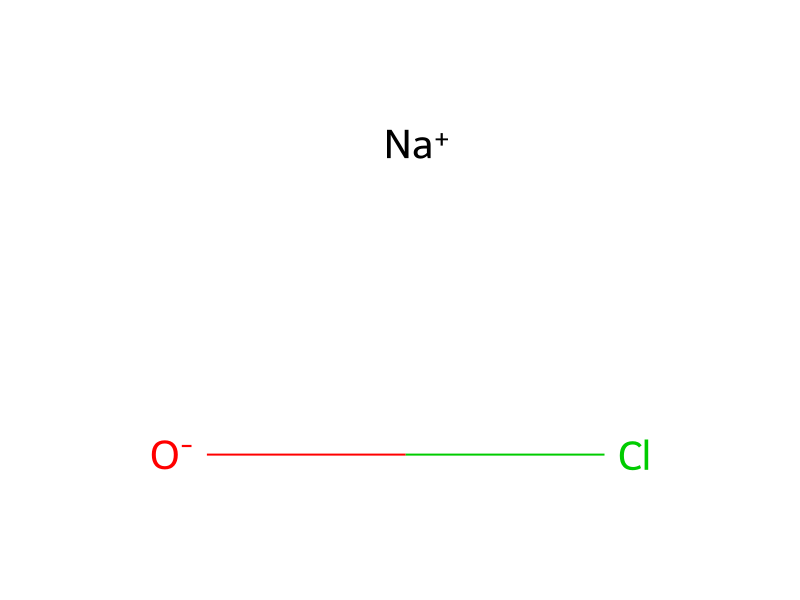
[Cl:1][C:2]1[N:7]=[C:6]([Cl:8])[C:5]([CH:9]([C:11]2[C:16]([O:17][CH3:18])=[CH:15][CH:14]=[C:13]([F:19])[C:12]=2[F:20])[OH:10])=[CH:4][N:3]=1.C(=O)(O)[O-].[Na+].CC1(C)N([O])C(C)(C)CCC1.Cl[O-].[Na+]>ClCCl.[Br-].C([N+](CCCC)(CCCC)CCCC)CCC.O>[Cl:1][C:2]1[N:7]=[C:6]([Cl:8])[C:5]([C:9]([C:11]2[C:16]([O:17][CH3:18])=[CH:15][CH:14]=[C:13]([F:19])[C:12]=2[F:20])=[O:10])=[CH:4][N:3]=1A mixture of rac-(2,4-dichloro-pyrimidin-5-yl)-(2,3-difluoro-6-methoxy-phenyl)-methanol (20.5 g, 63.8 mmol, Example 287) in dichloromethane (180 mL) was chilled with stirring to 0° C. and added water (20 mL), sodium bicarbonate powder (2.42 g, 28.73 mmol, Aldrich), tetrabutylammonium bromide (0.617 g, 1.915 mmol, Aldrich), and 2,2,6,6-tetramethyl-1-piperidinyloxy, free radical (0.1 g, 0.638 mmol, TEMPO, Aldrich). Sodium hypochlorite solution (6.15%, Aldrich) was added portionwaise until all starting material was oxidized (TLC ethyl acetate/hexanes 3:1). The cold reaction mixture was then washed with water (2×), dried (MgSO4) and concentrated adding hexanes. Filtration of the cold mixture gave 17.4 g of (2,4-dichloro-pyrimidin-5-yl)-(2,3-difluoro-6-methoxy-phenyl)-methanone, MP 137-139° C.
Loading…