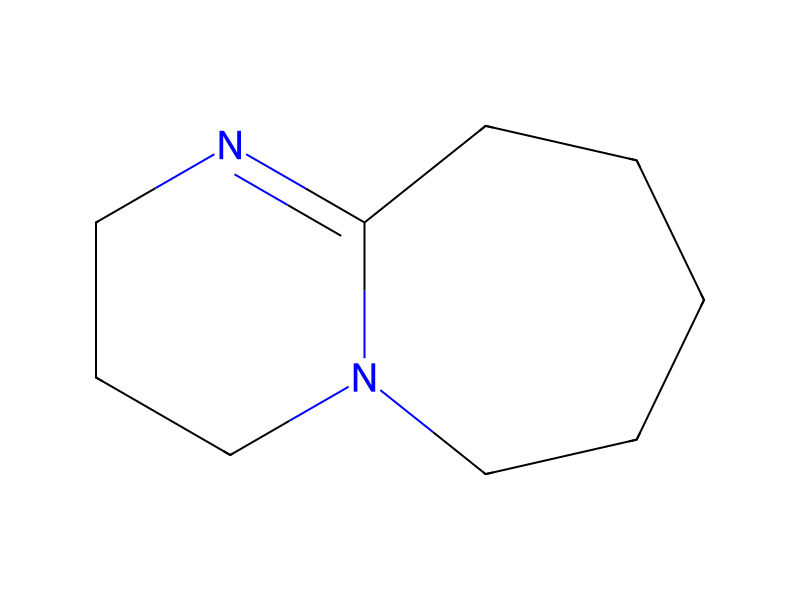
[N:1]1[C:10]2[C:5](=[CH:6][CH:7]=[CH:8][C:9]=2[OH:11])[CH:4]=[CH:3][C:2]=1[OH:12].N12CCCN=C1CCCCC2.[CH2:24](Br)[C:25]1[CH:30]=[CH:29][CH:28]=[CH:27][CH:26]=1>C(O)(C)C>[CH2:24]([O:11][C:9]1[CH:8]=[CH:7][CH:6]=[C:5]2[C:10]=1[N:1]=[C:2]([OH:12])[CH:3]=[CH:4]2)[C:25]1[CH:30]=[CH:29][CH:28]=[CH:27][CH:26]=1This was prepared by a slight modification of the procedure of Guo et al, Tet Lett, 1999, 40, 6999. To a stirred solution of 2,8-quinolinediol (4.97 g, 30.84 mmol) and 1,8-diazabicylo[5.4.0]undec-7-ene (DBU) (40.2 mmol, 6 mL) in isopropyl alcohol (60 mL) was added benzyl bromide (3.7 mL, 30.84 mmol). The solution was heated at reflux overnight. The reaction mixture was allowed to cool and then concentrated in vacuo. The resulting residue was diluted with CH2Cl2 and washed with 0.5 N NaOH, 10% HCl and water and dried over Na2SO4. Concentration provided 6 g (77%) of a tan solid, which was used without further purification.