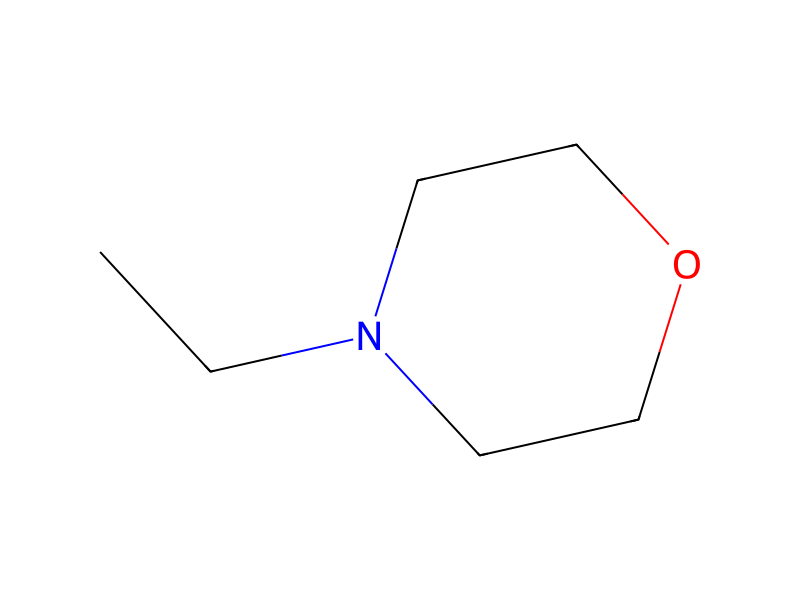
[CH2:1]([O:8][C:9]([NH:11][C@H:12]([C:14]([N:16]1[CH2:23][CH2:22][CH2:21][C@H:17]1[C:18]([OH:20])=O)=[O:15])[CH3:13])=[O:10])[C:2]1[CH:7]=[CH:6][CH:5]=[CH:4][CH:3]=1.C(N1CCOCC1)C.ClC(OCC(C)C)=O.[CH:40]1([NH2:45])[CH2:44][CH2:43][CH2:42][CH2:41]1>O1CCCC1>[CH:40]1([NH:45][C:18](=[O:20])[C@@H:17]2[CH2:21][CH2:22][CH2:23][N:16]2[C:14](=[O:15])[C@H:12]([CH3:13])[NH:11][C:9]([O:8][CH2:1][C:2]2[CH:3]=[CH:4][CH:5]=[CH:6][CH:7]=2)=[O:10])[CH2:44][CH2:43][CH2:42][CH2:41]16.4 g (0.02 mol) of N-benzyloxycarbonyl-L-alanyl-L-proline were dissolved in 100 ml of dry tetrahydrofuran and the solution was cooled to -10° C. 2.54 ml of N-ethylmorpholine and 2.62 ml of isobutyl chloroformate were added and the mixture was stirred at -10° C. for 20 minutes. 1.98 ml of cyclopentylamine were then added and the mixture was stirred at 0° C. for 1 hour and then at room temperature overnight. The mixture was then evaporated and the product which crystallised on the addition of water was extracted into ethyl acetate. The organic layer was washed neutral, dried over sodium sulphate and evaporated, the product crystallising on the addition of ether. There were obtained 4.8 g (71%) of N-benzyloxycarbonyl-L-alanyl-L-proline cyclopentylamide of melting point 118°-119° C.; [α]D20 =-93.5° (c=1.0228% in methanol).