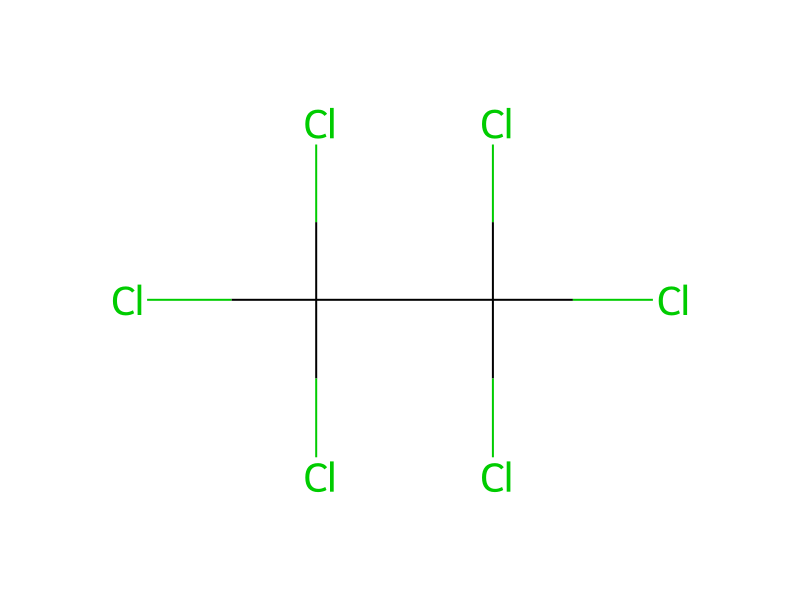
Hexachloroethane → 5-Chloro-2-pyridin-4-yloxazolo[5,4-d]pyrimidine
HRID 1470730
Reaction equation

C1(P(C2C=CC=CC=2)C2C=CC=CC=2)C=CC=CC=1.C(N(CC)CC)C.ClC(Cl)(Cl)C(Cl)(Cl)Cl.[Cl:35][C:36]1[N:41]=[C:40](O)[C:39]([NH:43][C:44](=[O:51])[C:45]2[CH:50]=[CH:49][N:48]=[CH:47][CH:46]=2)=[CH:38][N:37]=1>ClCCCl>[Cl:35][C:36]1[N:37]=[CH:38][C:39]2[N:43]=[C:44]([C:45]3[CH:46]=[CH:47][N:48]=[CH:49][CH:50]=3)[O:51][C:40]=2[N:41]=1Participants
6
Reactant 4



Product 1

Reagents, catalysts & solvents 1
