HomeMCPWorkbenchSkills
HomeWorkbenchNotificationsMe
llms.txt · MCP GuidePrivacy Policy · Terms of Service · Supportv1.8.3
  1. Home
  2. /Reaction

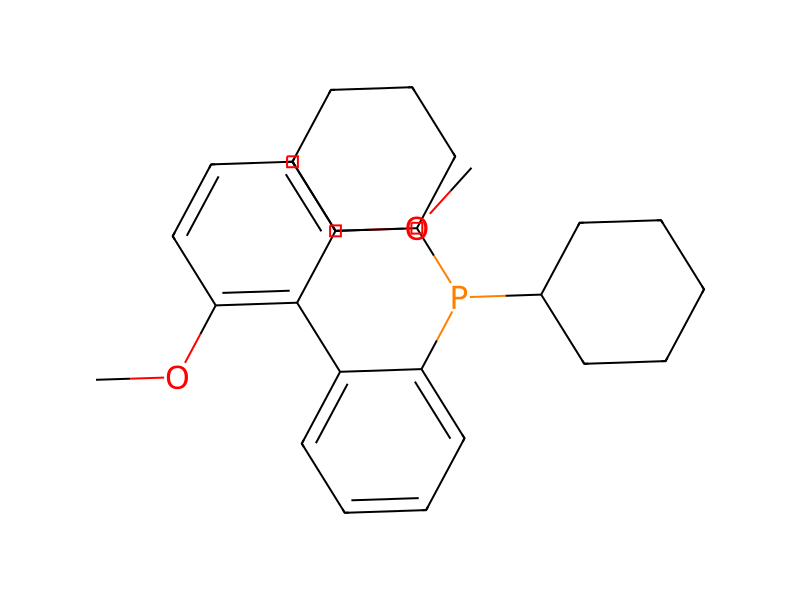
2-Dicyclohexylphosphino-2',6'-dimethoxybiphenyl → HCID 90272040, compound

HRID 1497682
Print

Reaction equation

HRID 1497682 reaction equation
[CH:1]1(P(C2CCCCC2)C2C=CC=CC=2C2C(OC)=CC=CC=2OC)CCCCC1.[C:30]1([C:54]2[CH:59]=[CH:58][CH:57]=[CH:56][CH:55]=2)[CH:35]=[CH:34][CH:33]=[CH:32][C:31]=1[CH2:36][N:37]1[C:46]2[C:41](=[N:42][CH:43]=[C:44](Br)[CH:45]=2)[C:40](=[O:48])[C:39]([C:49]([O:51][CH2:52][CH3:53])=[O:50])=[CH:38]1.[Mg+2].[Cl-].C[Zn+].[Cl-].[Cl-]>O1CCCC1.C([O-])(=O)C.[Pd+2].C([O-])(=O)C>[C:30]1([C:54]2[CH:59]=[CH:58][CH:57]=[CH:56][CH:55]=2)[CH:35]=[CH:34][CH:33]=[CH:32][C:31]=1[CH2:36][N:37]1[C:46]2[C:41](=[N:42][CH:43]=[C:44]([CH3:1])[CH:45]=2)[C:40](=[O:48])[C:39]([C:49]([O:51][CH2:52][CH3:53])=[O:50])=[CH:38]1
ParticipantsConditionsProcedureWorkupSources & evidenceReaction notes

Participants

6

Reactant 3

HCID 112698722-Dicyclohexylphosphino-2',6'-dimethoxybiphenylHCID 76902865Ethyl 1-(biphenyl-2-ylmethyl)-7-bromo-4-oxo-1,4-dihydro-1,5-naphthyridine-3-carboxylateHCID 178477799HCID 178477799, compound

Product 1

HCID 90272040HCID 90272040, compoundYield 33.5%

Reagents, catalysts & solvents 2

HCID 167845
palladium(II) acetate
Catalyst
HCID 8028TetrahydrofuranSolvent3×

Conditions

Temperature
55 °C

Procedure

Another 2-neck 50 mL round bottom flask was charged with palladium(II) acetate (67.4 mg, 0.3 mmol) and 2-dicyclohexylphosphino-2′,6′-dimethoxybiphenyl (246 mg, 0.6 mmol) at room temperature under a nitrogen atmosphere. Then, it was dissolved in tetrahydrofuran (2 mL). After 5 minutes, a solution of ethyl 1-(biphenyl-2-ylmethyl)-7-bromo-4-oxo-1,4-dihydro-1,5-naphthyridine-3-carboxylate (695 mg, 1.5 mmol) in tetrahydrofuran (5 mL) was added, followed by the above prepared white suspension of methylzincchloride magnesium in tetrahydrofuran. The resulting brown suspension was heated to 55° C. and stirred for 15 h at which time it turned to a black solution and LCMS analysis indicated the absence of starting material. Then, the reaction mixture was quenched with saturated ammonium chloride solution and the organic compound was extracted into ethylacetate (3×70 mL). The combined extracts were washed with water and brine solution, and dried over anhydrous MgSO4. Filtration and concentration gave the crude product (1.2 g) which was purified using an ISCO (80 g) column chromatography, eluting with ethyl acetate in hexanes (0 to 100%) and then 10% methanol and dichloromethane. The desired fractions were combined and the solvent was removed under vacuum to obtain ethyl 1-(biphenyl-2-ylmethyl)-7-methyl-4-oxo-1,4-dihydro-1,5-naphthyridine-3-carboxylate (20) (80 mg, 13.4% yield) as a yellow solid.

Workup

  1. customThen, the reaction mixture was quenched with saturated ammonium chloride solution
  2. extractionthe organic compound was extracted into ethylacetate (3×70 mL)
  3. washThe combined extracts were washed with water and brine solution
  4. dry with materialdried over anhydrous MgSO4
  5. filtrationFiltration and concentration
  6. customgave the crude product (1.2 g) which
  7. customwas purified
  8. washeluting with ethyl acetate in hexanes (0 to 100%)
  9. customthe solvent was removed under vacuum

Sources & evidence

ORD record
ord-2594ea1aadf047b0b6581a92c8a53b91
Source dataset
uspto-grants-2015_12
DOI
10.6084/m9.figshare.5104873.v1
Patent number
US09199987B2

Reaction notes

On this pageParticipantsConditionsProcedureWorkupSources & evidenceReaction notes