HomeMCPSkillsWorkbenchOpenChem
HomeWorkbenchNotificationsMe
llms.txt · skill.md · MCP GuidePrivacy Policy · Terms of Service · Supportv1.8.5
  1. Home
  2. /Reaction

Hydrochloric Acid → 6-Chloro-1,7-naphthyridin-2(1H)-one

HRID 1502406
Print

Reaction equation

[CH:1](NC(C)C)(C)C.C([Li])CCC.C(OC(C)(C)C)(=O)C.[Cl:21][C:22]1[N:27]=[CH:26][C:25]([NH:28][C:29](=[O:35])OC(C)(C)C)=[C:24]([CH:36]=O)[CH:23]=1.Cl.C(=O)(O)[O-].[Na+]>C(OCC)C.O1CCCC1.O1CCOCC1.O>[Cl:21][C:22]1[CH:23]=[C:24]2[C:25](=[CH:26][N:27]=1)[NH:28][C:29](=[O:35])[CH:1]=[CH:36]2
ParticipantsConditionsProcedureWorkupSources & evidenceReaction notes

Participants

11

Reactant 6

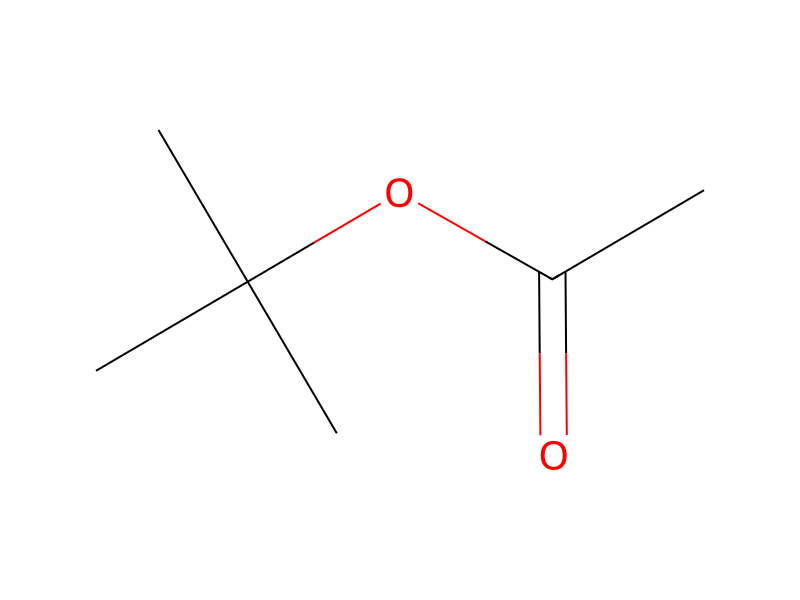
HCID 313Hydrochloric AcidHCID 7912DiisopropylamineHCID 10908tert-Butyl acetateHCID 516892Sodium BicarbonateHCID 58524401Tert-butyl 6-chloro-4-formylpyridin-3-ylcarbamateHCID 178418339Butyllithium

Product 1

HCID 15592373
6-Chloro-1,7-naphthyridin-2(1H)-one
Yield 82%

Reagents, catalysts & solvents 4

HCID 962WaterSolventHCID 3283Diethyl EtherSolvent2×HCID 8028TetrahydrofuranSolventHCID 312751,4-DioxaneSolvent

Conditions

Temperature
-78 °C

Procedure

To a solution of N,N-diisopropylamine (4.6 mL, 33 mmol) in anhydrous ethyl ether cooled at −78° C. was added n-butyllithium (1.0M solution in hexanes, 22 mL, 36 mmol). After 30 minutes at this temperature, tert-butyl acetate (3.8 g, 33 mmol) was added slowly to the reaction mixture as a solution in anhydrous diethyl ether (10 mL). After another 20 minutes of stirring at −78° C., tert-butyl 6-chloro-4-formylpyridin-3-ylcarbamate (4.0 g, 16 mmol) was slowly added to the mixture as a solution in tetrahydrofuran (10 mL). The reaction mixture was warmed to room temperature and then poured onto ice. The organic layer was separated, dried over sodium sulfate, and evaporated in vacuo to afford a residue that was redissolved in 1,4-dioxane (30 mL), treated with a 5.0M solution of hydrogen chloride in water (30 mL), and heated at 90° C. for 2 hours. The cooled reaction mixture was neutralized by addition of solid sodium bicarbonate, producing a fine white precipitate. Solids were collected via vacuum filtration, washing with water (25 mL) and then tetrahydrofuran (25 mL) to afford the title compound as a white solid (2.3 g, 82%), which was used in the next step without further purification.


Workup

  1. temperatureThe reaction mixture was warmed to room temperature
  2. additionpoured onto ice
  3. customThe organic layer was separated
  4. dry with materialdried over sodium sulfate
  5. customevaporated in vacuo
  6. customto afford a residue that
  7. temperatureheated at 90° C. for 2 hours
  8. customThe cooled reaction mixture
  9. customproducing a fine white precipitate
  10. filtrationSolids were collected via vacuum filtration
  11. washwashing with water (25 mL)

Sources & evidence

ORD record
ord-aed99925941a418eb324d68a271796cb
Source dataset
uspto-grants-2015_12
DOI
10.6084/m9.figshare.5104873.v1
Patent number
US09206175B2

Reaction notes

On this pageParticipantsConditionsProcedureWorkupSources & evidenceReaction notes