HomeMCPWorkbenchSkills
HomeWorkbenchNotificationsMe
llms.txt · MCP GuidePrivacy Policy · Terms of Service · Supportv1.8.3
  1. Home
  2. /Reaction

Diisopropylethylamine → HCID 58266666, compound

HRID 1505951
Print

Reaction equation

HRID 1505951 reaction equation
Br[C:2]1[CH:16]=[N:15][C:5]2[NH:6][C:7]3[CH:12]=[N:11][C:10]([C:13]#[N:14])=[CH:9][C:8]=3[C:4]=2[CH:3]=1.[Cl-].[Li+].CCN(C(C)C)C(C)C.C([Sn](CCCC)(CCCC)[C:33]1[S:34][CH:35]=[CH:36][N:37]=1)CCC.[F-].[K+]>CN(C=O)C.C1C=CC([P]([Pd]([P](C2C=CC=CC=2)(C2C=CC=CC=2)C2C=CC=CC=2)([P](C2C=CC=CC=2)(C2C=CC=CC=2)C2C=CC=CC=2)[P](C2C=CC=CC=2)(C2C=CC=CC=2)C2C=CC=CC=2)(C2C=CC=CC=2)C2C=CC=CC=2)=CC=1>[S:34]1[CH:35]=[CH:36][N:37]=[C:33]1[C:2]1[CH:16]=[N:15][C:5]2[NH:6][C:7]3[CH:12]=[N:11][C:10]([C:13]#[N:14])=[CH:9][C:8]=3[C:4]=2[CH:3]=1
ParticipantsConditionsProcedureWorkupSources & evidenceReaction notes

Participants

8

Reactant 5

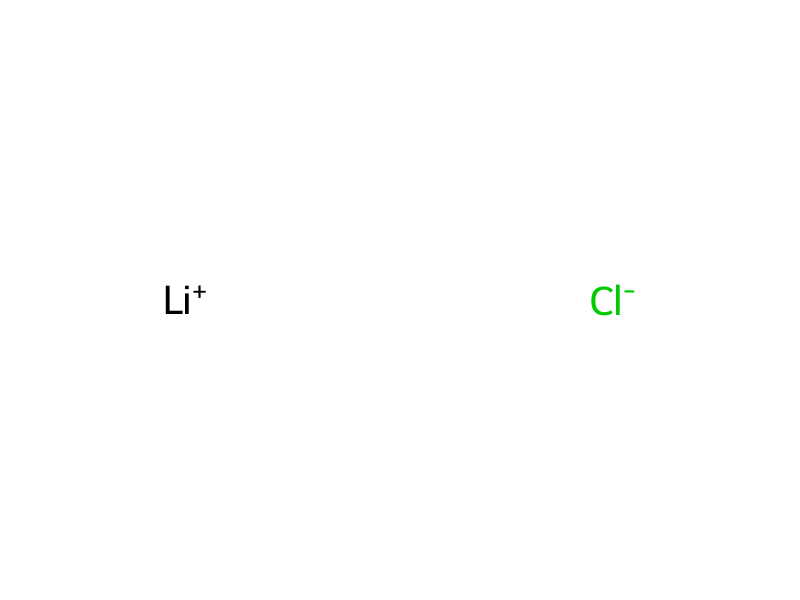
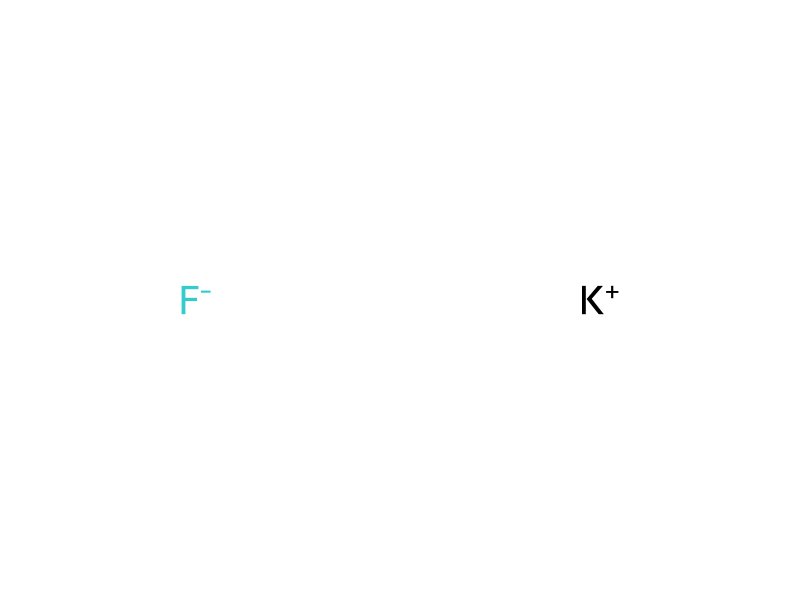
HCID 81531DiisopropylethylamineHCID 433294Lithium ChlorideHCID 522689Potassium FluorideHCID 27632592-(Tributylstannyl)-1,3-thiazoleHCID 582667513-bromo-9H-pyrrolo[2,3-b:5,4-c']dipyridine-6-carbonitrile

Product 1

HCID 58266666HCID 58266666, compound
Yield 18%

Reagents, catalysts & solvents 2

HCID 178418397HCID 178418397, compoundCatalystHCID 6228DimethylformamideSolvent

Conditions

Temperature
165 °C

Procedure

A solution of 3-bromo-9H-dipyrido[2,3-b;4′,3′-d]pyrrole-6-carbonitrile (100 mg, 0.366 mmol) and lithium chloride (46.6 mg, 1.10 mmol) in DMF (0.63 mL) was treated with DIPEA (159 uL, 0.915 mmol) and 2-(tri-n-butylstannyl)thiazole (345 uL, 1.10 mmol), and then degassed by the bubbling of nitrogen for 5 minutes. Tetrakis(triphenylphosphine)palladium(0) (21.2 mg, 18.3 umol, 5.0 mol %) was added and the mixture heated at 165° C. for 15 hours. The mixture was allowed to cool and treated with saturated aqueous potassium fluoride solution at ambient temperature. The resulting solids were removed by filtration and washed with 20% methanol in DCM and water. The filtrate was filtered through a pad of celite, washing with 20% methanol in DCM. The layers were separated, the aqueous phase extracted into 20% methanol in DCM, and the combined organic phases concentrated in vacuo. The residue was dissolved in AcOH with sonication and heating, filtered hot and allowed to cool. The resulting suspension was treated with water and then filtered to collect the off-white solid. This solid was purified by preparative HPLC [0-30% MeCN/water modified with 0.1% formic acid] to afford an off-white solid powder (5.0 mg, 18%). 1H NMR (400 MHz, DMSO-D6): 9.26 (s, 1H), 9.24 (s, 1H), 9.01 (s, 1H), 8.94 (s, 1H), 7.96 (d, J=3.2 Hz, 1H), 7.80 (d, J=3.2 Hz, 1H). LCMS (Method D): RT=9.31 min, M+H+=278.


Workup

  1. customdegassed by the
  2. custombubbling of nitrogen for 5 minutes
  3. temperatureto cool
  4. customThe resulting solids were removed by filtration
  5. washwashed with 20% methanol in DCM and water
  6. filtrationThe filtrate was filtered through a pad of celite
  7. washwashing with 20% methanol in DCM
  8. customThe layers were separated
  9. extractionthe aqueous phase extracted into 20% methanol in DCM
  10. concentrationthe combined organic phases concentrated in vacuo
  11. dissolutionThe residue was dissolved in AcOH with sonication
  12. temperatureheating
  13. filtrationfiltered hot
  14. temperatureto cool
  15. additionThe resulting suspension was treated with water
  16. filtrationfiltered
  17. customto collect the off-white solid
  18. customThis solid was purified by preparative HPLC [0-30% MeCN/water modified with 0.1% formic acid]

Sources & evidence

ORD record
ord-720807d1739244169faed2aa33e0a999
Source dataset
uspto-grants-2015_12
DOI
10.6084/m9.figshare.5104873.v1
Patent number
US09216980B2

Reaction notes

On this pageParticipantsConditionsProcedureWorkupSources & evidenceReaction notes