HomeMCPWorkbenchSkills
HomeWorkbenchNotificationsMe
llms.txt · MCP GuidePrivacy Policy · Terms of Service · Supportv1.8.3
  1. Home
  2. /Reaction

Ammonium Hydroxide → Methyl 1-amino-4-fluoro-1H-pyrrole-2-carboxylate

HRID 1507906
Print

Reaction equation

HRID 1507906 reaction equation
[Cl-].[NH4+:2].[OH-].[NH4+].Cl[O-].[Na+].[F:8][C:9]1[CH:10]=[C:11]([C:14]([O:16][CH3:17])=[O:15])[NH:12][CH:13]=1.[H-].[Na+].NCl>C(OCC)C.CN(C=O)C>[NH2:2][N:12]1[CH:13]=[C:9]([F:8])[CH:10]=[C:11]1[C:14]([O:16][CH3:17])=[O:15]
ParticipantsConditionsProcedureWorkupSources & evidenceReaction notes

Participants

9

Reactant 6

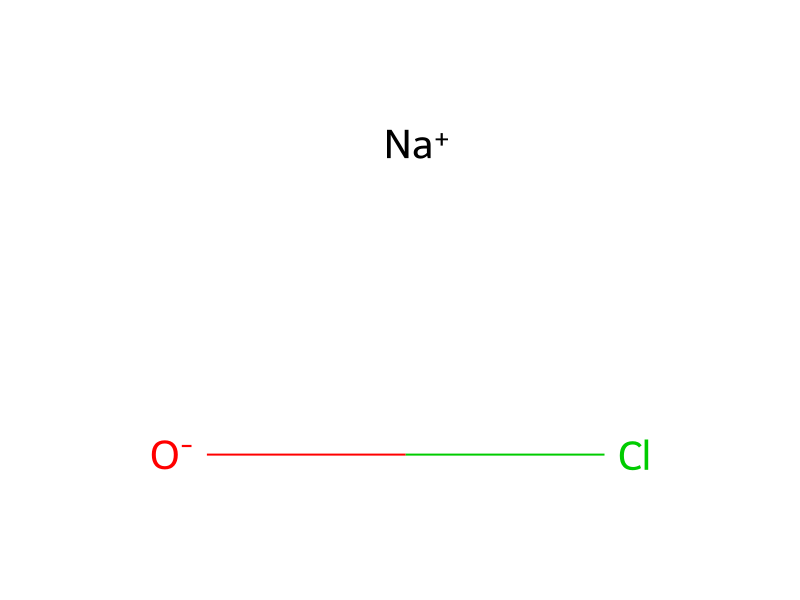
HCID 14923Ammonium HydroxideHCID 24758Sodium hydrideHCID 25423MonochloramineHCID 25517Ammonium ChlorideHCID 23665760Sodium HypochloriteHCID 45089983methyl 4-fluoro-1H-pyrrole-2-carboxylate

Product 1

HCID 66985030
Methyl 1-amino-4-fluoro-1H-pyrrole-2-carboxylate
Yield 91%

Reagents, catalysts & solvents 2

HCID 3283Diethyl EtherSolventHCID 6228DimethylformamideSolvent

Conditions

Temperature
-5 °C

Procedure

A mixture of ammonium chloride (6.0 g, 112 mmol) in diethyl ether (220 mL) was cooled to −5° C., and concentrated aq. ammonium hydroxide (9.4 mL) was added dropwise with vigorous stirring. After the addition was complete, commercial grade aq. sodium hypochlorite solution (145 mL) was added via addition funnel at a rate such that the internal temperature was maintained below 0° C. The mixture was then stirred for 15 min, then the layers were separated, and the organic layer was washed with brine and dried over anhyd. calcium chloride. The resulting solution of chloramine was used directly as follows: In a separate flask, containing a solution of methyl 4-fluoro-1H-pyrrole-2-carboxylate (0.98 g, 6.85 mmol) in DMF (15 mL) at 0° C. was added 60% sodium hydride dispersion (0.329 g, 8.22 mmol) and the resulting mixture was allowed to warm to rt and stir for 45 minutes. At this time, a portion of the previously prepared chloramine solution (55 mL) was added via syringe over ˜1 minute. After stirring for an additional 1.5 h at rt, the reaction mixture was quenched by adding sat. aq. Na2S2O3 followed by diluting with water and extracting with diethyl ether (100 mL×2). The combined extracts were dried over anhyd. sodium sulfate, filtered and concentrated under vacuum to afford 0.98 g (91%) of the title compound as a light tan oil. HPLC (condition B): retention time=1.57 min. LCMS (condition B): m/z 159 +ve. 1H NMR (400 MHz, MeOD) δ ppm 6.86 (1 H, d), 6.51 (1 H, d, J=2.42 Hz), 3.85 (3 H, s).


Workup

  1. additionAfter the addition
  2. temperaturewas maintained below 0° C
  3. customthe layers were separated
  4. washthe organic layer was washed with brine
  5. customdried over anhyd
  6. temperatureto warm to rt
  7. stirringstir for 45 minutes
  8. stirringAfter stirring for an additional 1.5 h at rt
  9. customthe reaction mixture was quenched
  10. additionby adding sat. aq. Na2S2O3
  11. additionby diluting with water
  12. extractionextracting with diethyl ether (100 mL×2)
  13. customThe combined extracts were dried over anhyd
  14. filtrationsodium sulfate, filtered
  15. concentrationconcentrated under vacuum

Sources & evidence

ORD record
ord-97d7c893de9748929ac235a61e24eac8
Source dataset
uspto-grants-2015_12
DOI
10.6084/m9.figshare.5104873.v1
Patent number
US09221826B2

Reaction notes

On this pageParticipantsConditionsProcedureWorkupSources & evidenceReaction notes