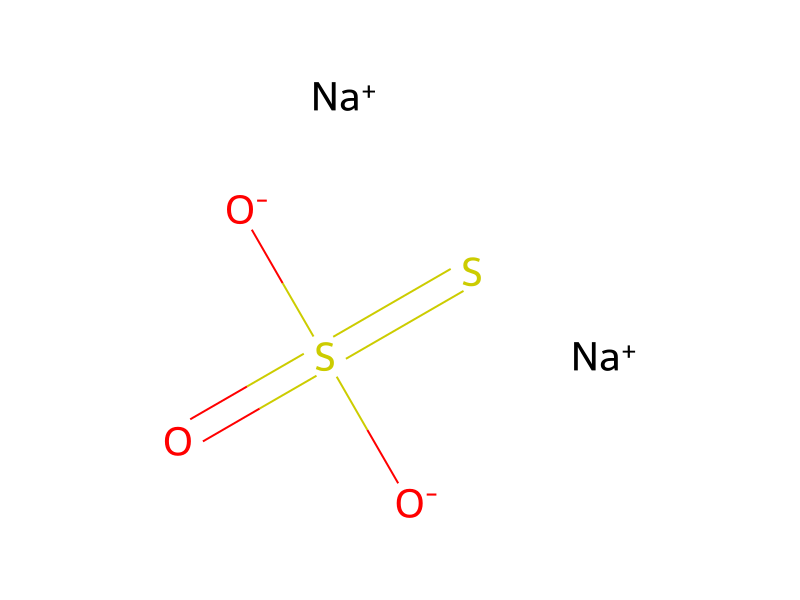
[F:1][C:2]1[CH:7]=[C:6]([F:8])[CH:5]=[CH:4][C:3]=1[C:9]([OH:22])([CH2:16][N:17]1[CH:21]=[N:20][CH:19]=[N:18]1)[C:10](SCC)([F:12])[F:11].Cl[C:24]1C=CC=C(C(OO)=O)[CH:25]=1.[S:34]([O-:38])([O-])(=[O:36])=S.[Na+].[Na+].C(=O)(O)[O-].[Na+]>ClCCl>[F:1][C:2]1[CH:7]=[C:6]([F:8])[CH:5]=[CH:4][C:3]=1[C:9]([OH:22])([CH2:16][N:17]1[CH:21]=[N:20][CH:19]=[N:18]1)[C:10]([S:34]([CH2:24][CH3:25])(=[O:38])=[O:36])([F:12])[F:11]To a solution of 2-(2,4-difluorophenyl)-1-(ethylthio)-1,1-difluoro-3-(1H-1,2,4-triazol-1-yl)-2-propanol (850 mg, 2.39 mmol) in dichloromethane (100 ml), 85% m-chloroperbenzoic acid (1.4 g, 5.75 mmol) was added at room temperature, followed by stirring at room temperature for 12 hours. After the completion of the reaction, a saturated aqueous solution of sodium thiosulfate and a saturated aqueous solution of sodium bicarbonate were added and the resulting mixture was stirred. The dichloromethane solution was separated and after washing with water, dried over magnesium sulfate. The solvent was then distilled off under reduced pressure. The residue so obtained was crystallized from isopropyl ether-ethyl acetate, whereby 2-(2,4-difluorophenyl)-1-(ethylsulfonyl)-1,1-difluoro-3-(1H-1,2,4-triazol-1-yl)-2-propanol (718 mg, yield: 78%) was obtained as colorless crystals.