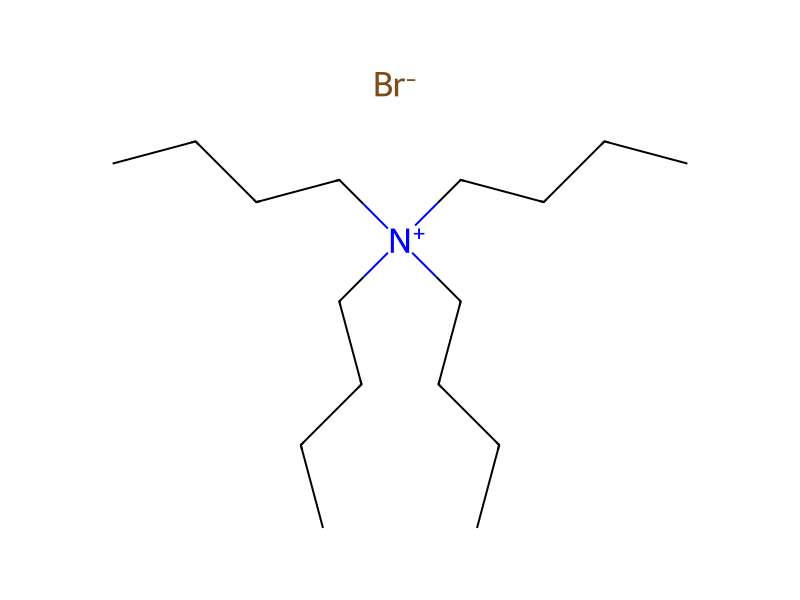
[OH:1][CH2:2][C:3]1[CH:12]=[CH:11][C:6]([C:7]([O:9][CH3:10])=[O:8])=[C:5]([C:13]2[CH:18]=[CH:17][CH:16]=[CH:15][CH:14]=2)[CH:4]=1.[CH2:19](Cl)[CH:20]1[O:24][CH2:23][CH2:22][CH2:21]1.[H-].[Na+]>CN(C=O)C.[N+](CCCC)(CCCC)(CCCC)CCCC.[Br-]>[CH3:10][O:9][C:7](=[O:8])[C:6]1[CH:11]=[CH:12][C:3]([CH2:2][O:1][CH2:19][CH:20]2[CH2:21][CH2:22][CH2:23][O:24]2)=[CH:4][C:5]=1[C:13]1[CH:18]=[CH:17][CH:16]=[CH:15][CH:14]=1A solution of 4-hydroxymethyl-2-phenylbenzoic acid, methyl ester (1.94 g, 8.00 mmol), prepared as in Example 158C, and tetrahydrofurfuryl chloride (1.18 g, 9.60 mmol) in DMF (4 mL) was added to a mixture of NaH (6.40 g, 16.0 mmol) (rinsed with THF just prior to use), KI (1.33 g, 9.00 mmol), and Bu4NBr (2.60 g, 0.800 mmol). An exothermic reaction including gas evolution was observed. The mixture was stirred 30 minutes and then heated to 130° C. for 3.5 hours. The reaction mixture was quenched by the addition of a few drops of methanol and then treated with H2O. The mixture was extracted with 2:1 ether-ethyl acetate and ether (2×). The combined organic extracts were rinsed with H2O (4×) and chromatography eluting 20% ethyl acetate-hexane) afforded the desired compound (74.9 mg) as an oil shown to be 89% pure by 1H NMR.