HomeMCPWorkbenchSkills
HomeWorkbenchNotificationsMe
llms.txt · MCP GuidePrivacy Policy · Terms of Service · Supportv1.8.3
  1. Home
  2. /Reaction

Hydrochloric Acid → Ketorolac

HRID 1534756
Print

Reaction equation

HRID 1534756 reaction equation
[CH:1]1[CH:2]=[CH:3][C:4]([C:7]([C:9]2[N:13]3[CH2:14][CH2:15][CH:16]([C:17]([OH:19])=[O:18])[C:12]3=[CH:11][CH:10]=2)=[O:8])=[CH:5][CH:6]=1.C(O)C(N)(CO)CO.C(N(CC([O-])=O)CC(O)=O)CN(CC([O-])=O)CC(O)=O.[Na+].[Na+].NC(CO)(CO)CO.C(OC(C)C)(=O)CCCCC(OC(C)C)=O.Cl>O.C(O)(C)C>[CH:1]1[CH:6]=[CH:5][C:4]([C:7]([C:9]2[N:13]3[CH2:14][CH2:15][CH:16]([C:17]([OH:19])=[O:18])[C:12]3=[CH:11][CH:10]=2)=[O:8])=[CH:3][CH:2]=1
ParticipantsProcedureWorkupSources & evidenceReaction notes

Participants

8

Reactant 5

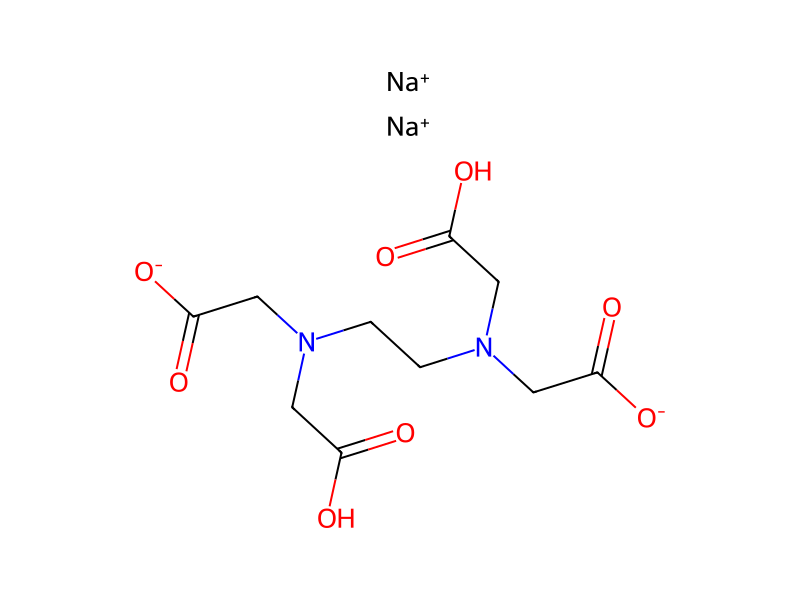
HCID 313Hydrochloric AcidHCID 6503Tris(hydroxymethyl)aminomethane3×HCID 8759Ethylenediaminetetraacetic acid disodium saltHCID 23368Diisopropyl AdipateHCID 84003Ketorolac Tromethamine2×

Product 1

HCID 3826
Ketorolac
Yield 1%

Reagents, catalysts & solvents 2

HCID 962WaterSolvent2×HCID 3776IsopropanolSolvent

Procedure

The above 1.0% ketorolac topical gel formulation was prepared by dissolving the ketorolac tromethamine, EDTA disodium salt and tromethamine in purified water to form an aqueous solution. (Tromethamine was added to maintain the pH of the formulation at pH 4.2±0.2.) The diisopropyl adipate and butylated hydroxytoluene were then dissolved in the isopropyl alcohol to form an alcoholic solution. Carbomer 940 was then slowly dispersed in this alcoholic solution so as to avoid gelling. After the carbomer 940 was completely dispersed, the aqueous solution containing ketorolac tromethamine was then added to the alcoholic solution. The resulting mixture was then brought up to weight with purified water and, if needed, the pH was adjusted with either tromethamine or hydrochloric acid to maintain the pH of the formulation at 4.2±0.2. The resulting formulation was then slowly stirred at temperatures below 20° C. until gelling of the formulation was complete.


Workup

  1. customto form an aqueous solution
  2. temperatureto maintain the pH of the formulation at pH 4.2±0.2
  3. customto form an alcoholic solution
  4. additionwas then added to the alcoholic solution
  5. temperatureto maintain the pH of the formulation at 4.2±0.2

Sources & evidence

ORD record
ord-7e38d66fcc8e495a8f044f1f0a090c94
Source dataset
uspto-grants-1992_02
DOI
10.6084/m9.figshare.5104873.v1
Patent number
US05091182

Reaction notes

On this pageParticipantsProcedureWorkupSources & evidenceReaction notes