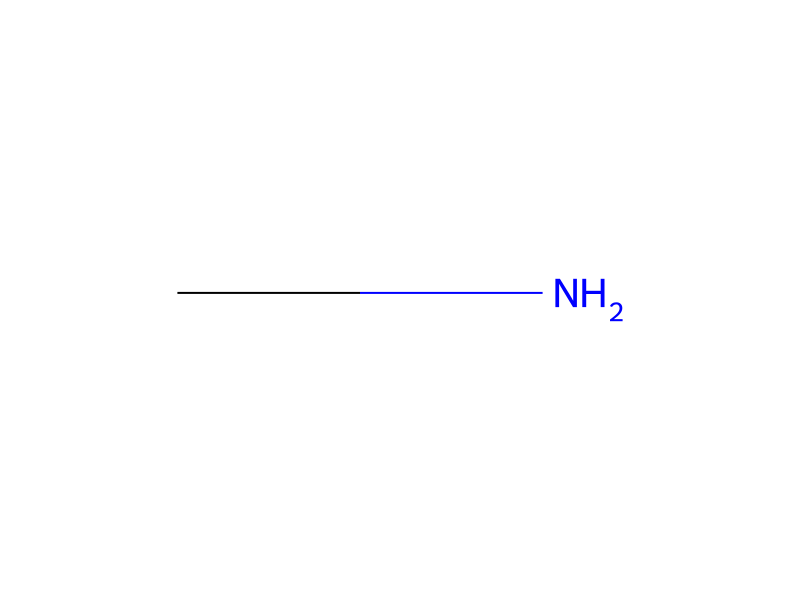
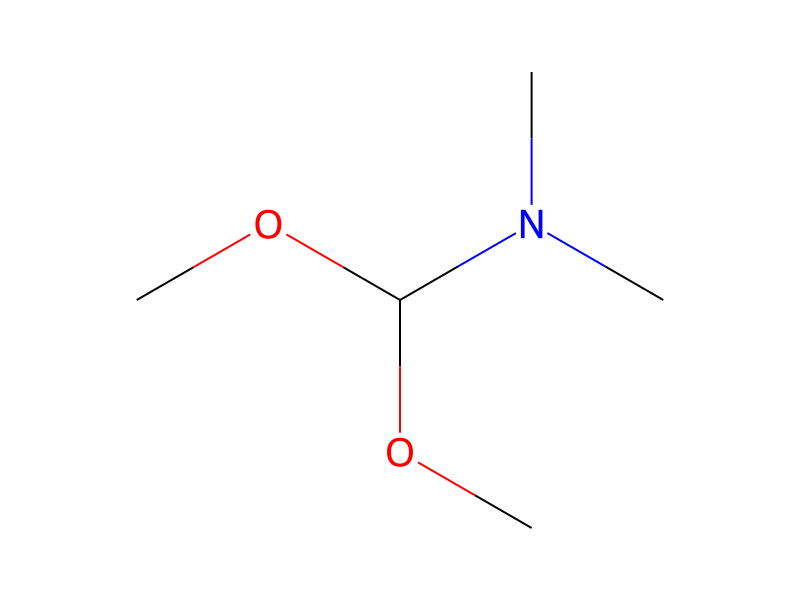
[CH3:1][C:2]([CH3:24])([CH3:23])[C:3](=[O:22])[CH2:4][C:5](=[O:21])[C:6]([C:11]1[CH:16]=[CH:15][CH:14]=[C:13]([C:17]([F:20])([F:19])[F:18])[CH:12]=1)=[CH:7][N:8]([CH3:10])[CH3:9].COC(OC)N(C)C.CN>O1CCCC1>[CH3:10][N:8]1[CH:7]=[C:6]([C:11]2[CH:16]=[CH:15][CH:14]=[C:13]([C:17]([F:18])([F:19])[F:20])[CH:12]=2)[C:5](=[O:21])[C:4]([C:3](=[O:22])[C:2]([CH3:24])([CH3:23])[CH3:1])=[CH:9]1A 3.6 g. portion of impure 6,6-dimethyl-1-dimethylamino-2-(3-trifluoromethylphenyl)-1-heptene-3,5-dione was dissolved in 17 ml. of N,N-dimethylformamide dimethyl acetal and stirred under reflux at about 100° overnight using a sub-surface nitrogen bubbler. The mixture was then evaporated under vacuum to obtain 3.5 g. of a dark oil, which was dissolved in 120 ml. of tetrahydrofuran and reacted with 15 ml. of 40% aqueous methylamine at ambient temperature for 1 hour. The mixture was then evaporated under vacuum, and the resulting oil was chromatographed on a 300 g. silica gel column with 2:3 ethyl acetate:dichloromethane as the eluting solvent. The product-containing fractions were combined and evaporated under vacuum, and the residue was triturated under hexane to obtain 0.6 g. of the desired product, m.p. 86°-88°, showing the following peaks on nmr analysis in DMSOd6 : δ7.6-8.2 (m, 6H, aromatic); 3.8 (s, 3H, N--CH3); 1.2 (s, 9 H, C(CH3)3).