HomeMCPWorkbenchSkills
HomeWorkbenchNotificationsMe
llms.txt · MCP GuidePrivacy Policy · Terms of Service · Supportv1.8.0
  1. Home
  2. /Reaction

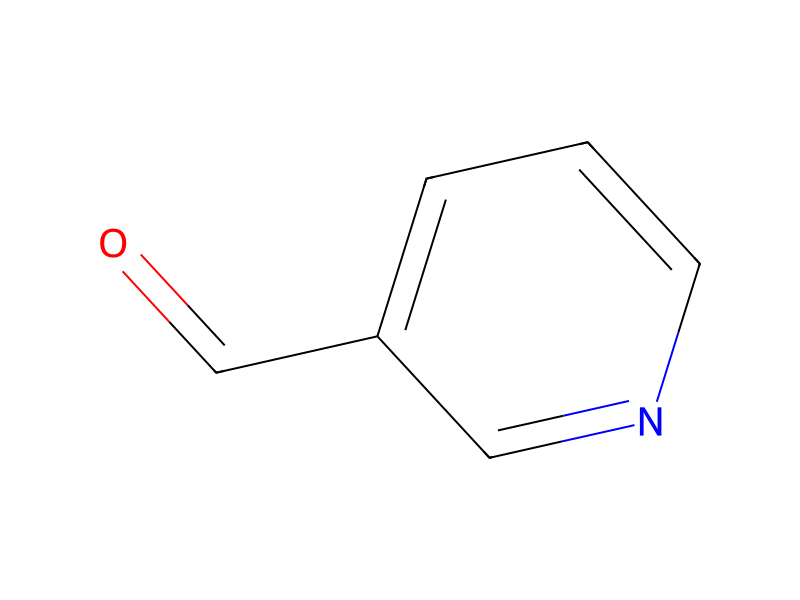
3-Pyridinecarboxaldehyde → Benzyl (E)-3-[2-methyl-3-(3-pyridylmethyl)-1H-indol-4-yl]-2-propenoate

HRID 1600175
Notes
Print preview

Reaction equation

HRID 1600175 reaction equation
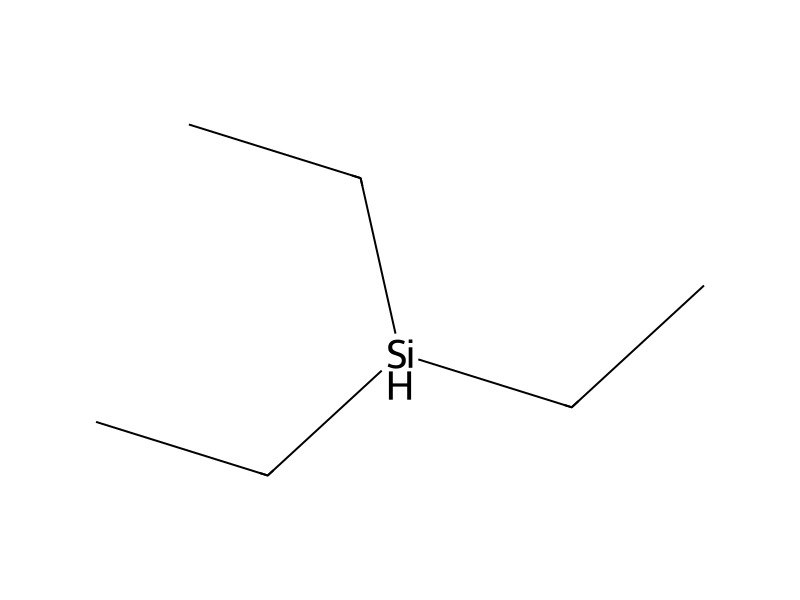
[CH3:1][C:2]1[NH:3][C:4]2[C:9]([CH:10]=1)=[C:8](/[CH:11]=[CH:12]/[C:13]([O:15][CH2:16][C:17]1[CH:22]=[CH:21][CH:20]=[CH:19][CH:18]=1)=[O:14])[CH:7]=[CH:6][CH:5]=2.[N:23]1[CH:28]=[CH:27][CH:26]=[C:25]([CH:29]=O)[CH:24]=1.C([SiH](CC)CC)C>ClCCl.FC(F)(F)C(O)=O>[CH3:1][C:2]1[NH:3][C:4]2[C:9]([C:10]=1[CH2:29][C:25]1[CH:24]=[N:23][CH:28]=[CH:27][CH:26]=1)=[C:8](/[CH:11]=[CH:12]/[C:13]([O:15][CH2:16][C:17]1[CH:22]=[CH:21][CH:20]=[CH:19][CH:18]=1)=[O:14])[CH:7]=[CH:6][CH:5]=2
ParticipantsProcedureWorkupSources & evidenceReaction notes

Participants

6

Reactant 3

HCID 103713-PyridinecarboxaldehydeHCID 12052TriethylsilaneHCID 86752481Benzyl (E)-3-(2-methyl-1H-indol-4-yl)-2-propenoate

Product 1

HCID 86752482Benzyl (E)-3-[2-methyl-3-(3-pyridylmethyl)-1H-indol-4-yl]-2-propenoateYield 35.1%

Reagents, catalysts & solvents 2

HCID 6344DichloromethaneSolvent
HCID 6422Trifluoroacetic acidSolvent

Procedure

A solution of benzyl (E)-3-[2-methyl-1H-indol-4-yl]-2-propenoate (4.75 g) and pyridine-3-carboxaldehyde (2.10 g) in dry dichloromethane (45 ml) was added dropwise to a stirred solution of triethylsilane (7.82 ml) in trifluoroacetic acid (40 ml) at 0° C. The solution was stirred, allowing the temperature to rise to room temperature, for 45 minutes and then evaporated. The residue was partitioned between dichloromethane and dilute aqueous ammonia solution. The aqueous layer was extracted with dichloromethane, and the combined organic layers were washed with water and dried (MgSO4). The solvent was evaporated and the residue was chromatographed on silica gel. Elution with dichloromethane gave impurity,and further elution with dichloromethane/methanol (19:1) gave pure product.The product fractions were evaporated and the residue was triturated with ether to give the title compound (2.19 g), m.p. 180°-182° C., Rf. 0.35(SS1).

Workup

  1. customevaporated
  2. customThe residue was partitioned between dichloromethane and dilute aqueous ammonia solution
  3. extractionThe aqueous layer was extracted with dichloromethane
  4. washthe combined organic layers were washed with water
  5. dry with materialdried (MgSO4)
  6. customThe solvent was evaporated
  7. customthe residue was chromatographed on silica gel
  8. washElution with dichloromethane
  9. customgave
  10. washimpurity,and further elution with dichloromethane/methanol (19:1)
  11. customgave pure product.The product fractions
  12. customwere evaporated
  13. customthe residue was triturated with ether

Sources & evidence

ORD record
ord-d93c3fe558dd43198942a8b39f2c911c
Source dataset
uspto-grants-1998_04
DOI
10.6084/m9.figshare.5104873.v1
Patent number
US05744488

Reaction notes

Loading…

On this pageParticipantsProcedureWorkupSources & evidenceReaction notes