HomeMCPSkillsWorkbenchOpenChem
HomeWorkbenchNotificationsMe
llms.txt · skill.md · MCP GuidePrivacy Policy · Terms of Service · Supportv1.8.4
  1. Home
  2. /Reaction

Potassium Carbonate → Butyl 6-[N-(5-bromo-2-cyclopropylmethoxybenzyl)-N-ethylamino]pyridazine-3-carboxylate

HRID 1604375
Print

Reaction equation

[Br:1][C:2]1[CH:3]=[CH:4][C:5]([OH:25])=[C:6]([CH:24]=1)[CH2:7][N:8]([C:11]1[N:16]=[N:15][C:14]([C:17]([O:19][CH2:20][CH2:21][CH2:22][CH3:23])=[O:18])=[CH:13][CH:12]=1)[CH2:9][CH3:10].Br[CH2:27][CH:28]1[CH2:30][CH2:29]1.C(=O)([O-])[O-].[K+].[K+]>CN(C=O)C>[Br:1][C:2]1[CH:3]=[CH:4][C:5]([O:25][CH2:27][CH:28]2[CH2:30][CH2:29]2)=[C:6]([CH:24]=1)[CH2:7][N:8]([C:11]1[N:16]=[N:15][C:14]([C:17]([O:19][CH2:20][CH2:21][CH2:22][CH3:23])=[O:18])=[CH:13][CH:12]=1)[CH2:9][CH3:10]
ParticipantsProcedureWorkupSources & evidenceReaction notes

Participants

5

Reactant 3

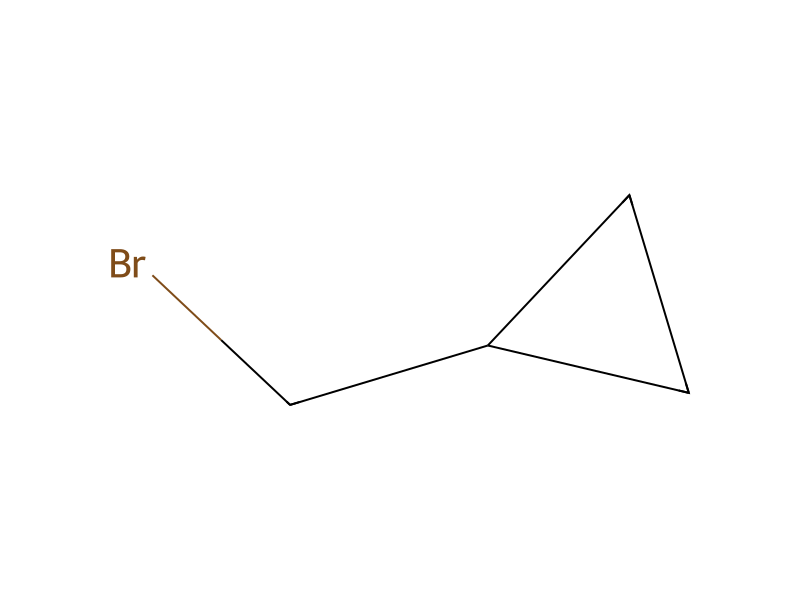
HCID 11430Potassium CarbonateHCID 81503BromomethylcyclopropaneHCID 22622486butyl 6-[N-(5-bromo-2-hydroxybenzyl)-N-ethylamino]pyridazine-3-carboxylate

Product 1

HCID 22622526Butyl 6-[N-(5-bromo-2-cyclopropylmethoxybenzyl)-N-ethylamino]pyridazine-3-carboxylateYield 94%

Reagents, catalysts & solvents 1

HCID 6228
Dimethylformamide
Solvent

Procedure

A solution of n-butyl 6-[N-(5-bromo-2-hydroxybenzyl)-N-ethylamino]pyridazine-3-carboxylate (reference example 3) (0.286 g, 0.69 mmol) in DMF (3.5 ml) was treated with bromomethylcyclopropane (0.1 g, 0.78 mmol) and potassium carbonate (0.473 g, 3.4 mmol). The reaction was allowed to stir at ambient temperature for 60 hours. The solvent was evaporated at reduced pressure (vacuum pump) and the residue partitioned between ethyl acetate and water. The aqueous layer was extracted with ethyl acetate (2×10 ml). The organic layers were combined dried (MgSO4) and evaporated. The residue was purified by chromatography (eluant ethyl acetate/hexane) to give the title compound as a pale yellow oil (0.3 g, 94%).

Workup

  1. customThe solvent was evaporated at reduced pressure (vacuum pump)
  2. customthe residue partitioned between ethyl acetate and water
  3. extractionThe aqueous layer was extracted with ethyl acetate (2×10 ml)
  4. dry with materialThe organic layers were combined dried (MgSO4)
  5. customevaporated
  6. customThe residue was purified by chromatography (eluant ethyl acetate/hexane)

Sources & evidence

ORD record
ord-5d31097c8e554b5585c9923f3191b2b3
Source dataset
uspto-grants-1999_11
DOI
10.6084/m9.figshare.5104873.v1
Patent number
US05994353

Reaction notes

On this pageParticipantsProcedureWorkupSources & evidenceReaction notes