Dimethylcarbamoyl Chloride → Methyl 2-cyanopyridine-4-carboxylate
Reaction equation

[C:1]([O:10][CH3:11])(=[O:9])[C:2]1[CH:7]=[CH:6][N+:5]([O-])=[CH:4][CH:3]=1.C[Si]([C:16]#[N:17])(C)C.CN(C)C(Cl)=O.C(=O)([O-])[O-].[K+].[K+]>C(Cl)Cl>[C:16]([C:4]1[CH:3]=[C:2]([CH:7]=[CH:6][N:5]=1)[C:1]([O:10][CH3:11])=[O:9])#[N:17]Participants
6
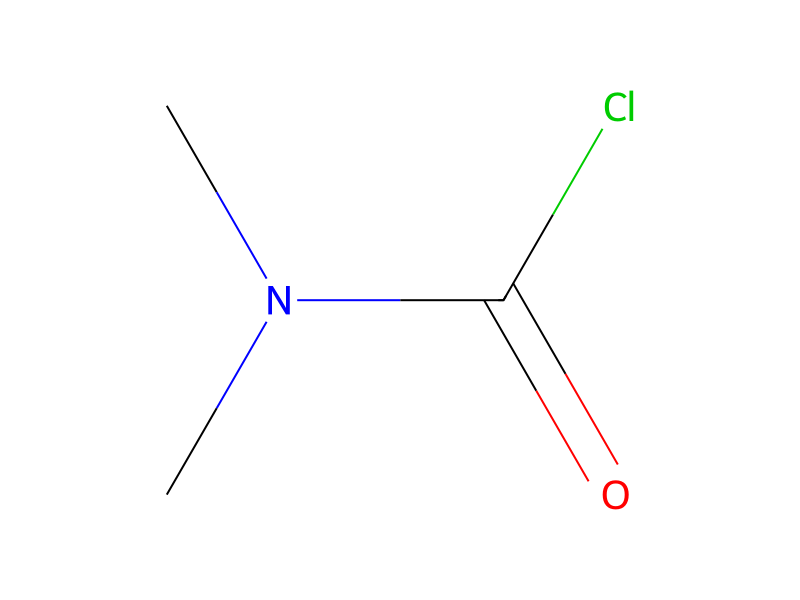




Procedure
To a solution of methyl isonicotinate N-oxide (20.0 g, 0.26 mol) in 200 mL of methylene chloride was added trimethylsilyl cyanide (16.1 g, 0.32 mol), followed by a solution of dimethylcarbamyl chloride (17.82 g, 0.32 mol) in 50 mL of methylene chloride at room temperature. The reaction mixture was stirred overnight (about eighteen hours) and then treated with 500 mL of 10% potassium carbonate solution. The organic layer was washed with brine, dried over magnesium sulfate and filtered. The filtrate was concentrated to 15.2 g of crude product as a brown solid, which was used without further purification.
Workup
- washThe organic layer was washed with brine
- dry with materialdried over magnesium sulfate
- filtrationfiltered
- concentrationThe filtrate was concentrated to 15.2 g of crude product as a brown solid, which
- customwas used without further purification
Sources & evidence
- ORD record
- ord-5bbb6645651d498d96cbd6d42e3e507c
- Source dataset
- uspto-grants-2003_01
- Patent number
- US06509361B1
Reaction notes
Loading…