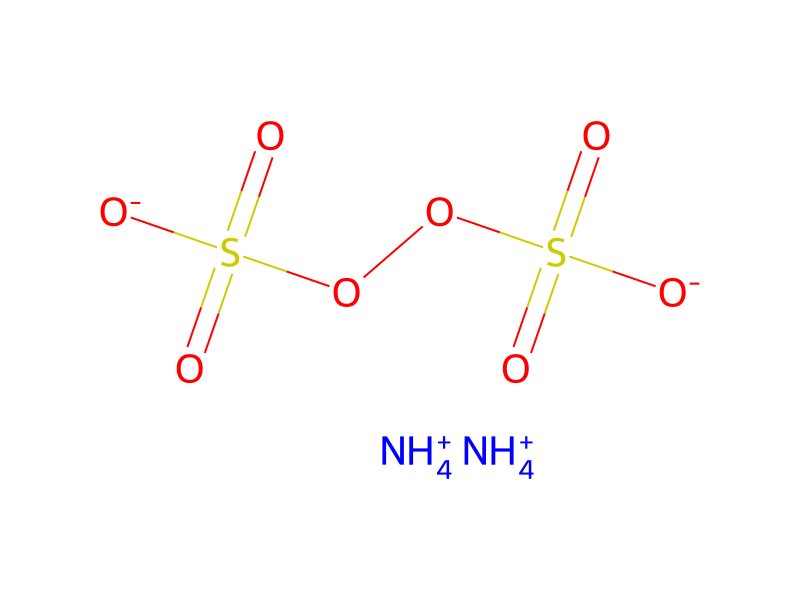
A VF2/HFP/TFE copolymer fluoroelastomer was prepared by a continuous emulsion polymerization process of the prior art, carried out at 115° C. in a well-stirred 4.0-liter stainless steel liquid full reaction vessel. An aqueous solution, consisting of 3.74 g/hour (g/h) ammonium persulfate, 11.26 g/h sodium phosphate dibasic heptahydrate, 7.25 g/h ammonium perfluorooctanoate, and 2.40 g/h isopropanol in deionized water, was fed to the reactor at a rate of 10 L/hour. The reactor was maintained at a liquid-full level at a pressure of 6.2 MPa by means of a back-pressure control valve in the effluent line. After 30 minutes, polymerization was initiated by introduction of a gaseous monomer mixture consisting of 594 g/h tetrafluoroethylene (TFE), 1119 g/h vinylidene fluoride (VF2), and 898 g/h hexafluoropropylene (HFP) fed through a diaphragm compressor. After 2.0 hours, collection of effluent dispersion was begun and continued for 8 hours. The effluent polymer dispersion, which had a pH of 4.1 and contained 20.0 wt. % solids, was separated from residual monomers in a degassing vessel at atmospheric pressure. Fluoroelastomer product was isolated using calcium nitrate solution. The coagulated polymer was allowed to settle, supernatant serum was removed, and the polymer was washed by reslurrying in water three times before filtering. The wet crumb was dried in an air oven at approximately 50°-65° C. to a moisture content of less than 1%. About 19 kg of polymer was recovered at an overall conversion of 95.3%. The product, comprised of 23.8 wt. % TFE units, 44.8 wt. % VF2 units, and 31.4 wt. % HFP units, was an amorphous elastomer having a glass transition temperature of −14° C., as determined by differential scanning calorimetry (heating mode, 10° C./minute, inflection point of transition). Inherent viscosity of the elastomer was 0.71 dL/g, measured at 30° C. in methyl ethyl ketone, and Mooney viscosity, ML(1+10), was 59.