HomeMCPSkillsWorkbenchOpenChem
HomeWorkbenchNotificationsMe
llms.txt · skill.md · MCP GuidePrivacy Policy · Terms of Service · Supportv1.8.6
  1. Home
  2. /Reaction

Triethylamine → 2-t-Butyl-5-hydroxymethyl-1-nitrobenzene

HRID 1637491
Print

Reaction equation

ClC(OCC)=O.[C:7]([C:11]1[CH:19]=[CH:18][C:14]([C:15](O)=[O:16])=[CH:13][C:12]=1[N+:20]([O-:22])=[O:21])([CH3:10])([CH3:9])[CH3:8].C(N(CC)CC)C.[BH4-].[Na+]>O1CCCC1.O.CCCCCC.C(OCC)(=O)C>[C:7]([C:11]1[CH:19]=[CH:18][C:14]([CH2:15][OH:16])=[CH:13][C:12]=1[N+:20]([O-:22])=[O:21])([CH3:10])([CH3:8])[CH3:9]
ParticipantsProcedureWorkupSources & evidenceReaction notes

Participants

9

Reactant 4

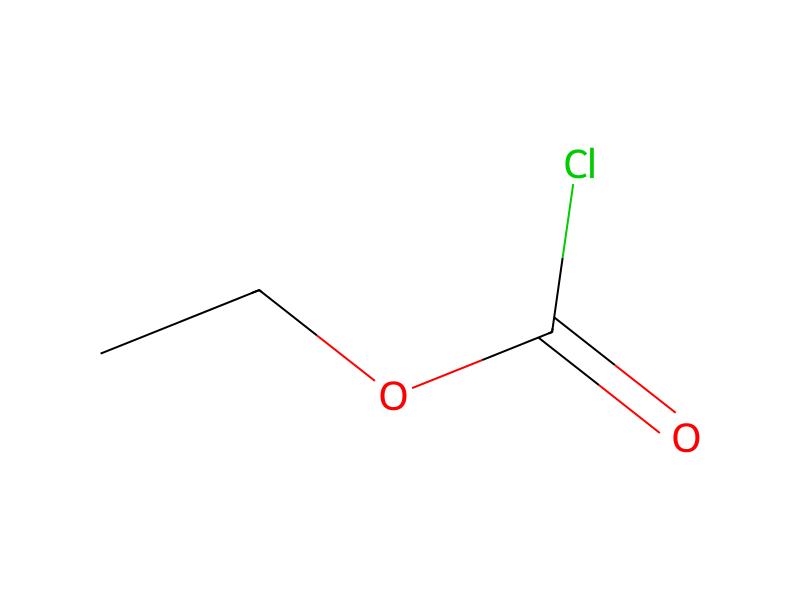
HCID 8471TriethylamineHCID 10928Ethyl chloroformateHCID 7388134-Tert-butyl-3-nitrobenzoic acidHCID 4311764Sodium borohydride

Product 1

HCID 193485812-t-Butyl-5-hydroxymethyl-1-nitrobenzeneYield 93.1%

Reagents, catalysts & solvents 4

HCID 962
Water
Solvent
HCID 8028TetrahydrofuranSolvent3×
HCID 8058HexaneSolvent
HCID 8857Ethyl AcetateSolvent

Procedure

A solution of 3.12 g (28.8 mmol) of ethyl chloroformate in 10 ml of tetrahydrofuran was added dropwise to a solution of 6.0 g (26.9 mmol) of 4-t-butyl-3-nitrobenzoic acid and 3.12 g (30.9 mmol) of triethylamine in 60 ml of tetrahydrofuran over a period of 10 minutes, whilst ice-cooling, and the resulting mixture was then stirred at the same temperature for 45 minutes. At the end of this time, the reaction mixture was filtered using a Celite (trade mark) filter aid, and the precipitates were washed with tetrahydrofuran. A combined solution of the filtrate and the washings was added dropwise to a solution of 3.76 g (99.5 mmol) of sodium borohydride in a mixture of 40 ml of tetrahydrofuran and 40 ml of water, whilst ice-cooling, over a period of 25 minutes, and the mixture was stirred at the same temperature for 2 hours. At the end of this time, the reaction mixture was freed from the tetrahydrofuran by evaporation under reduced pressure . The resulting residue was partitioned between diethyl ether and water, and the aqueous layer was extracted with diethyl ether. The combined organic layers were washed twice with water and once with a saturated aqueous solution of sodium chloride. The solvent was then removed by distillation under reduced pressure, and the resulting residue was purified by column chromatography through 100 g of silica gel, using a gradient elution method, with mixtures of ethyl acetate and hexane ranging from 20:80 to 30:70 by volume as the eluent, to give 5.24 g (yield 93%) of the title compound as an oily substance.


Workup

  1. temperaturecooling
  2. filtrationAt the end of this time, the reaction mixture was filtered
  3. filtrationfilter aid
  4. washthe precipitates were washed with tetrahydrofuran
  5. temperaturecooling, over a period of 25 minutes
  6. stirringthe mixture was stirred at the same temperature for 2 hours
  7. customAt the end of this time, the reaction mixture was freed from the tetrahydrofuran by evaporation under reduced pressure
  8. customThe resulting residue was partitioned between diethyl ether and water
  9. extractionthe aqueous layer was extracted with diethyl ether
  10. washThe combined organic layers were washed twice with water and once with a saturated aqueous solution of sodium chloride
  11. customThe solvent was then removed by distillation under reduced pressure
  12. customthe resulting residue was purified by column chromatography through 100 g of silica gel
  13. washa gradient elution method

Sources & evidence

ORD record
ord-f1ed22d9bef34456b2390288e62ac712
Source dataset
uspto-grants-2000_03
DOI
10.6084/m9.figshare.5104873.v1
Patent number
US06040339

Reaction notes

On this pageParticipantsProcedureWorkupSources & evidenceReaction notes