HomeMCPWorkbenchSkills
HomeWorkbenchNotificationsMe
llms.txt · MCP GuidePrivacy Policy · Terms of Service · Supportv1.8.3
  1. Home
  2. /Reaction

4-Methylmorpholine → 5-[(2,5-Difluorophenyl)[(4-fluorophenyl)sulfonyl]methyl]-N,N,4-trimethylpyridine-2-carboxamide

HRID 1641683
Print

Reaction equation

HRID 1641683 reaction equation
[F:1][C:2]1[CH:7]=[CH:6][C:5]([F:8])=[CH:4][C:3]=1[CH:9]([S:20]([C:23]1[CH:28]=[CH:27][C:26]([F:29])=[CH:25][CH:24]=1)(=[O:22])=[O:21])[C:10]1[C:11]([CH3:19])=[CH:12][C:13]([C:16](O)=[O:17])=[N:14][CH:15]=1.Cl.[CH3:31][NH:32][CH3:33].ON1C2C=CC=CC=2N=N1.CN1CCOCC1.Cl.C(N=C=NCCCN(C)C)C>C(Cl)Cl.O>[F:1][C:2]1[CH:7]=[CH:6][C:5]([F:8])=[CH:4][C:3]=1[CH:9]([S:20]([C:23]1[CH:24]=[CH:25][C:26]([F:29])=[CH:27][CH:28]=1)(=[O:22])=[O:21])[C:10]1[C:11]([CH3:19])=[CH:12][C:13]([C:16]([N:32]([CH3:33])[CH3:31])=[O:17])=[N:14][CH:15]=1
ParticipantsProcedureWorkupSources & evidenceReaction notes

Participants

8

Reactant 5

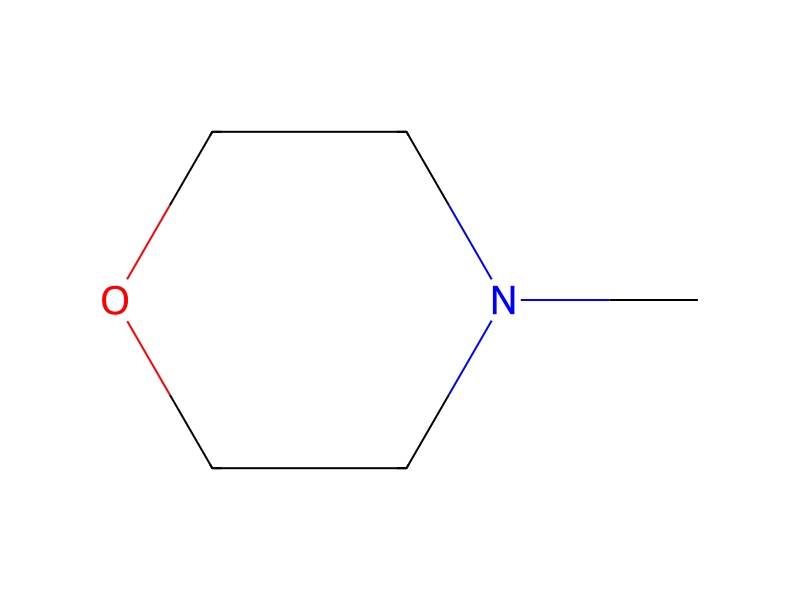
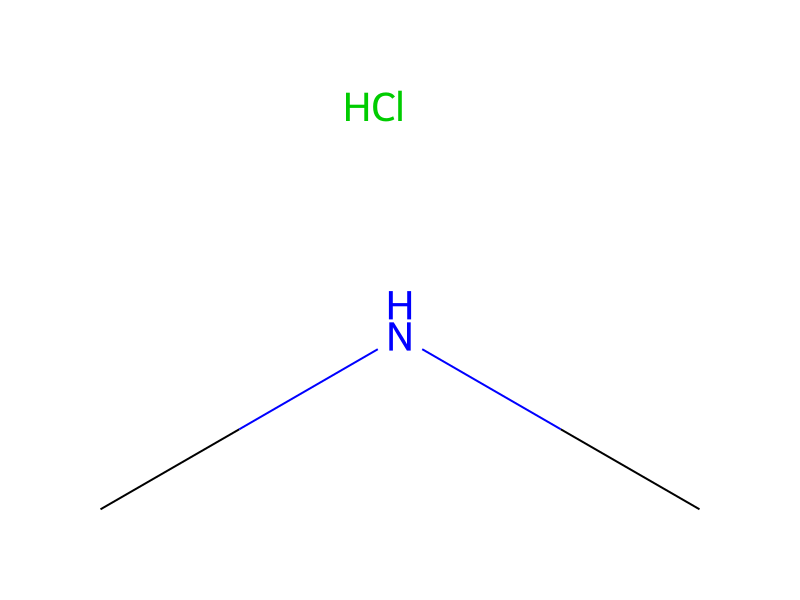
HCID 79724-MethylmorpholineHCID 10473Dimethylamine, hydrochlorideHCID 757711-HydroxybenzotriazoleHCID 27239391,3-Propanediamine, N'-(ethylcarbonimidoyl)-N,N-dimethyl-, monohydrochlorideHCID 577364395-[(2,5-Difluorophenyl)[(4-fluorophenyl)sulfonyl]methyl]-4-methylpyridine-2-carboxylic acid

Product 1

HCID 57736490
5-[(2,5-Difluorophenyl)[(4-fluorophenyl)sulfonyl]methyl]-N,N,4-trimethylpyridine-2-carboxamide
Yield 69%

Reagents, catalysts & solvents 2

HCID 962WaterSolventHCID 6344DichloromethaneSolvent

Procedure

To a solution of 5-[(2,5-difluorophenyl)[(4-fluorophenyl)sulfonyl]methyl]-4-methylpyridine-2-carboxylic acid (105 mg, 0.25 mmol) obtained in Example 12 in methylene chloride (3 ml), dimethylamine hydrochloride (23 mg, 0.28 mmol), 1-hydroxybenzotriazole (37 mg, 0.28 mmol), 4-methylmorpholine (0.061 ml, 0.55 mmol), and 1-ethyl-3-(3-dimethylaminopropyl)carbodiimide hydrochloride (53 mg, 0.28 mmol) were added at room temperature. After stirring for 3 hours at room temperature, water was added to the reaction mixture, and the mixture was washed with saturated aqueous sodium hydrogencarbonate. The organic layer was dried over anhydrous sodium sulfate and filtered, then the filtrate was concentrated under reduced pressure, and the resulting residue was subjected to flash silica gel chromatography. The fraction obtained from an elusion with hexane:ethyl acetate=3:2 was concentrated under reduced pressure, and the resulting residue was washed with a mixed solvent of ethanol and hexane, and was collected by filtration, to obtain the title compound (77 mg, 0.17 mmol, 69%) as a white solid.

Workup

  1. washthe mixture was washed with saturated aqueous sodium hydrogencarbonate
  2. dry with materialThe organic layer was dried over anhydrous sodium sulfate
  3. filtrationfiltered
  4. concentrationthe filtrate was concentrated under reduced pressure
  5. customThe fraction obtained from an elusion with hexane
  6. concentrationethyl acetate=3:2 was concentrated under reduced pressure
  7. washthe resulting residue was washed with a mixed solvent of ethanol and hexane
  8. filtrationwas collected by filtration

Sources & evidence

ORD record
ord-9aa0c696881c4be798310636589aeb9b
Source dataset
uspto-grants-2012_02
DOI
10.6084/m9.figshare.5104873.v1
Patent number
US08114886B2

Reaction notes

On this pageParticipantsProcedureWorkupSources & evidenceReaction notes