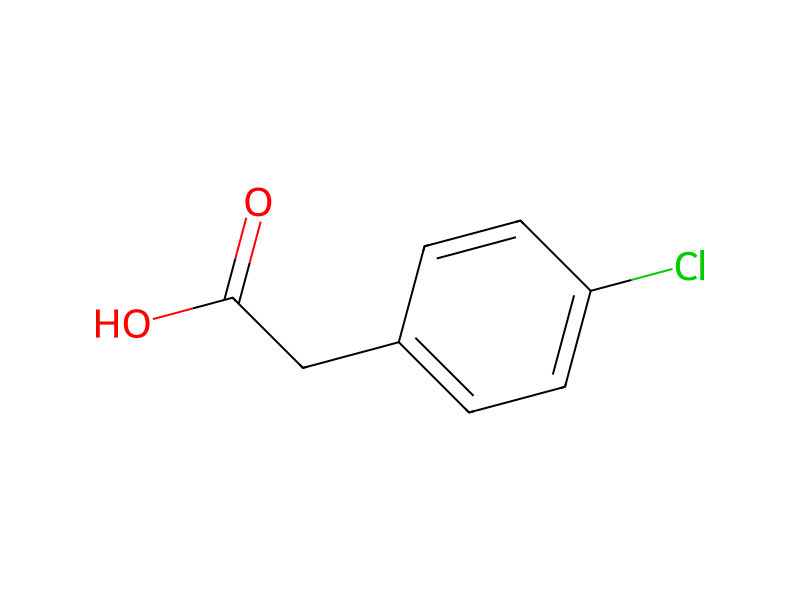
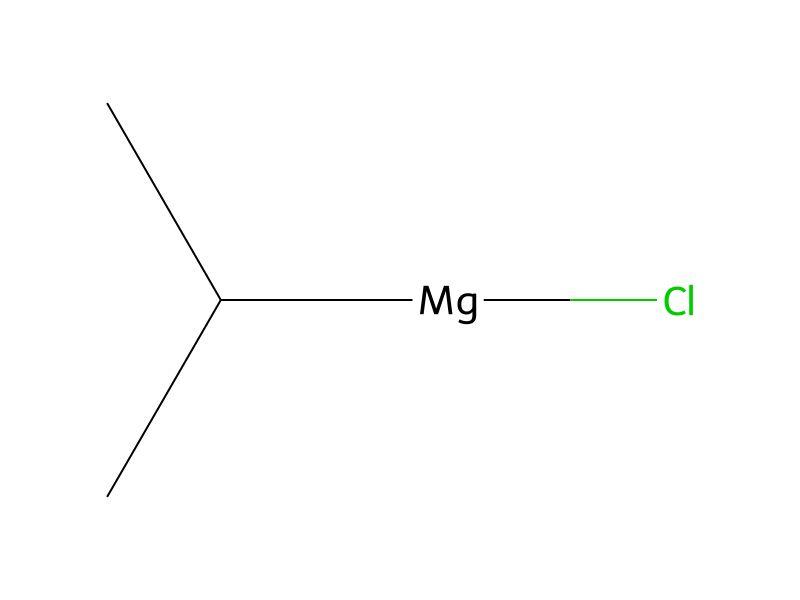
Isopropylmagnesium chloride (24.6 mL, 2 M solution in THF, 50 mmol, 5 equiv) was added to a −78° C. solution of cyanoacetic acid (2.52 g, 29.6 mmol, 2.96 equiv) in 80 mL of anhydrous tetrahydrofuran. After 1 h, a solution of 4-chlorophenylacetic acid (1.7 g, 10 mmol, 1.0 equiv) and N,N-carbonyldiimidazole (1.93 g, 11.9 mmol, 1.19 equiv) in 20 mL of anhydrous tetrahydrofuran was added to the reaction mixture, and the reaction mixture was warmed to ambient temperature. After 16 h, the reaction mixture was poured into 300 mL of water. The mixture was adjusted to pH 4 with glacial acetic acid. Gas evolution was evident during addition of the acetic acid. The mixture was extracted with ethyl acetate (4×100 mL). The combined organic layers were washed with brine, dried over sodium sulfate, filtered, and concentrated in vacuo. The residue was purified via automated flash chromatography (80 g SiO2, gradient from hexanes to ethyl acetate) to afford the product as a white solid (1.17 g, 57%).