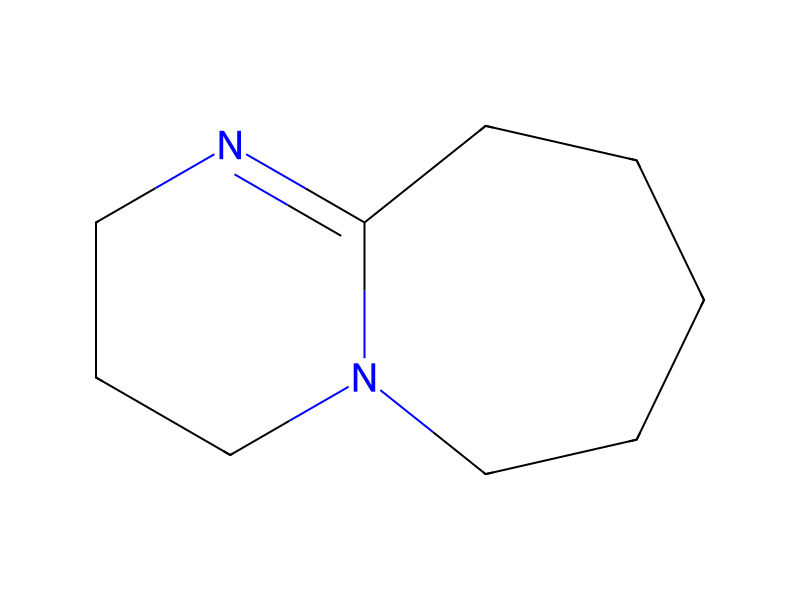
[CH2:1]([O:4][C:5]([N:7]1[CH2:11][C@H:10]([OH:12])[CH2:9][C@H:8]1[CH2:13][OH:14])=[O:6])[CH:2]=[CH2:3].C(N(CC)CC)C.[Si:22](Cl)([C:25]([CH3:28])([CH3:27])[CH3:26])([CH3:24])[CH3:23].C1CCN2C(=NCCC2)CC1>ClCCl.C(OCC)(=O)C>[CH2:1]([O:4][C:5]([N:7]1[CH2:11][C@H:10]([OH:12])[CH2:9][C@H:8]1[CH2:13][O:14][Si:22]([C:25]([CH3:28])([CH3:27])[CH3:26])([CH3:24])[CH3:23])=[O:6])[CH:2]=[CH2:3]To a solution of (2S,4R)-1-allyloxycarbonyl-4-hydroxy-2-hydroxymethylpyrrolidine (1.0 g) in dichloromethane (15 ml) were added triethylamine (0.7 ml), t-butyldimethylsilyl chloride (0.57 g) and 1,8-diazabicyclo[5.4.0]-7-undecene (0.15 g). The resulting mixture was allowed to stand at ambient temperature for 5 hours. The mixture was diluted with ethyl acetate (150 ml), washed in turn with aqueous ammonium chloride and brine, dried over magnesium sulfate and evaporated. The residue was chromatographed on silica gel (40 ml) eluting with a mixture of n-hexane and ethyl acetate (3:1 V/V) to give (2S,4R)-1-allyloxycarbonyl-2-t-butyldimethylsilyloxymethyl-4-hydroxypyrrolidine (0.62 g).