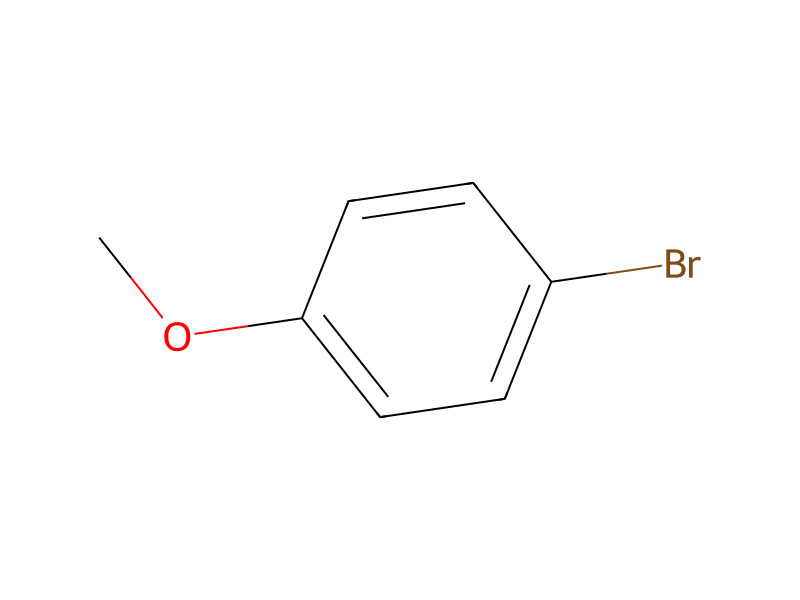
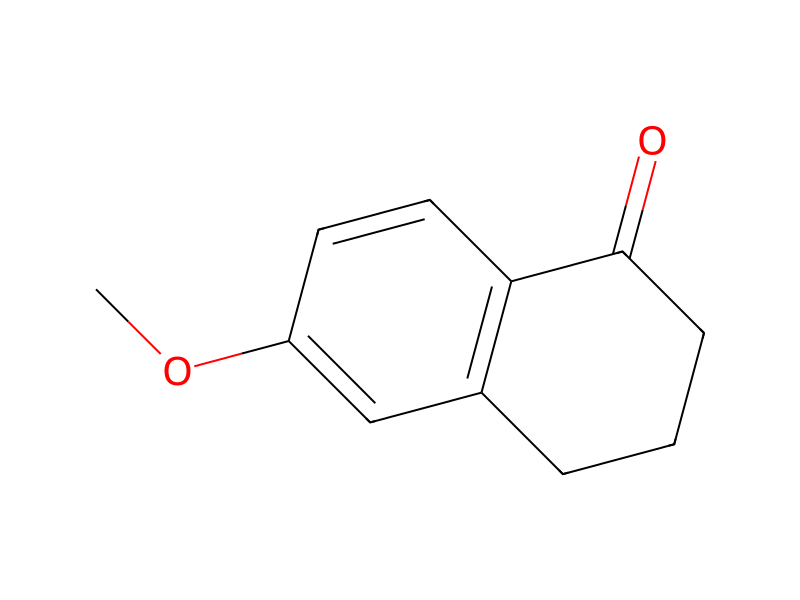
A solution of 4-methoxyphenyl magnesium bromide, freshly prepared in the normal manner in tetrahydrofuran (200 mL) from 4-bromoanisole (101 g) and magnesium metal (14.5 g), was added over 45 minutes with stirring to a chilled (0° C.) solution of 6-methoxytetralone (85 g) in dry tetrahydrofuran (500 mL). After the addition was completed, the reaction was stirred at room temperature for 2 hours and the excess reagent was destroyed by the careful addition of water (50 mL). Most of the solvent was removed in vacuo and the concentrate was partitioned between ethyl acetate and 1N sodium hydroxide. After the resultant solids were filtered off, the layers were separated and the organic layer was washed with brine, then was dried (MgSO4) and evaporated to give 123 g of crude carbinol as an oil. A solution of the above carbinol (100 g) in toluene (800 mL) containing p-toluenesulfonic acid (1 g) was refluxed for 3 hours in a flask equipped with a Dean-Stark trap. The cooled solution was washed with 10% sodium bicarbonate solution and with brine, then was dried (MgSO4) and evaporated. The residual material was passed though a short column of silica gel (250 g) made up in dichloromethane-hexane (1:3) and the product was eluted with dichloromethane-hexane (1:1). Evaporation of the appropriate fractions and crystallization of the residue from toluene-hexane (2x) gave 37.1 g of 3,4-dihydro-6-methoxy-1-(4-methoxyphenyl)naphthalene, mp 100.5°-102° C.