HomeMCPWorkbenchSkills
HomeWorkbenchNotificationsMe
llms.txt · MCP GuidePrivacy Policy · Terms of Service · Supportv1.8.3
  1. Home
  2. /Reaction

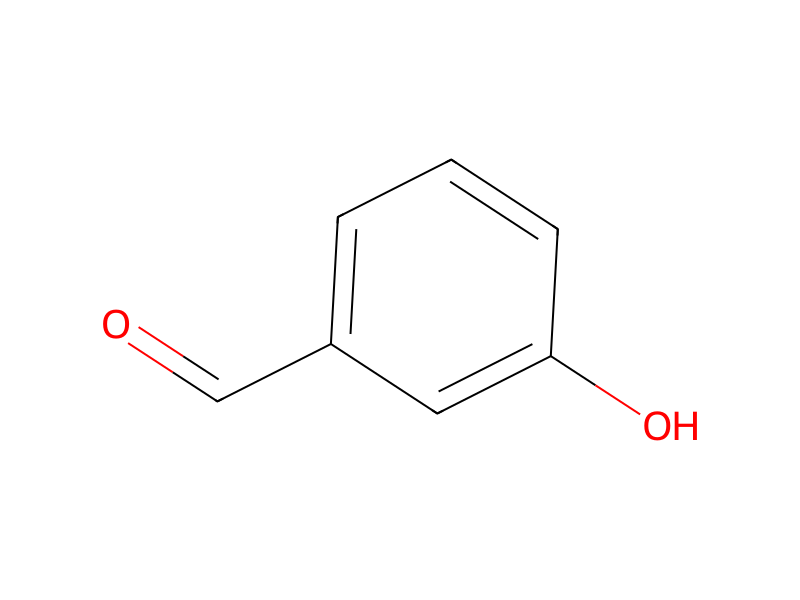
3-Hydroxybenzaldehyde → 3-(3-Chloropropoxy)benzaldehyde

HRID 1651341
Print

Reaction equation

HRID 1651341 reaction equation
[OH:1][C:2]1[CH:3]=[C:4]([CH:7]=[CH:8][CH:9]=1)[CH:5]=[O:6].Br[CH2:11][CH2:12][CH2:13][Cl:14].C(=O)([O-])[O-].[K+].[K+]>C(#N)C>[CH:5]([C:4]1[CH:3]=[C:2]([CH:9]=[CH:8][CH:7]=1)[O:1][CH2:11][CH2:12][CH2:13][Cl:14])=[O:6]
ParticipantsProcedureWorkupSources & evidenceReaction notes

Participants

5

Reactant 3

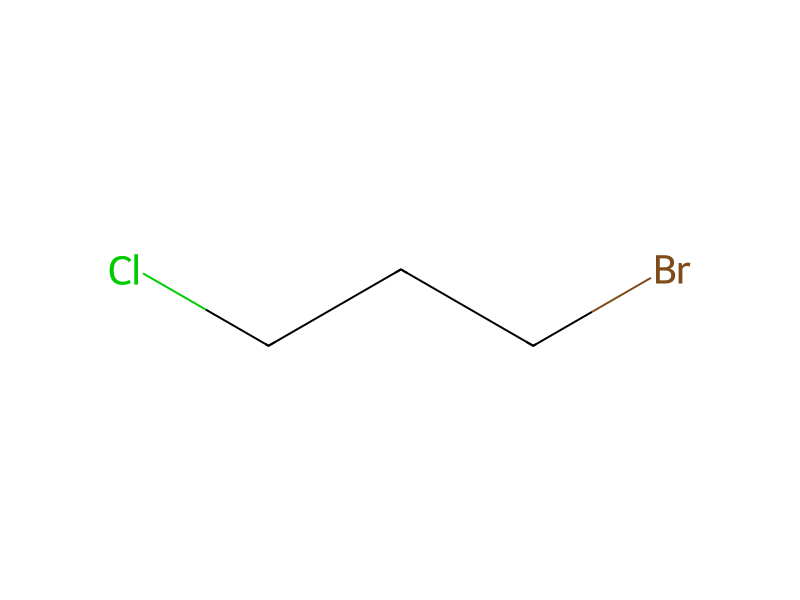
HCID 1013-HydroxybenzaldehydeHCID 80061-Bromo-3-chloropropaneHCID 11430Potassium Carbonate

Product 1

HCID 127933553-(3-Chloropropoxy)benzaldehydeYield 97.5%

Reagents, catalysts & solvents 1

HCID 6342AcetonitrileSolvent

Procedure

A mixture of 3-hydroxybenzaldehyde (183.2 g, 1.5 moles), 1-bromo-3-chloropropane (167 mL, 1.58 moles), potassium carbonate (450 g) and acetonitrile (2.2 L) was heated at reflux temperature with good stirring. After 17 hours, the reaction mixture was cooled to ambient temperature and filtered. The filtrate was evaporated under reduced pressure and the residue was dried in vacuo to give 290.4 g (97%) of 1-(3-formylphenoxy)-3-chloropropane.

Workup

  1. temperaturewas heated
  2. temperatureat reflux temperature with good stirring
  3. filtrationfiltered
  4. customThe filtrate was evaporated under reduced pressure
  5. customthe residue was dried in vacuo

Sources & evidence

ORD record
ord-f9b142ba8c824abb827895d9edd6225b
Source dataset
uspto-grants-1990_05
DOI
10.6084/m9.figshare.5104873.v1
Patent number
US04927968

Reaction notes

On this pageParticipantsProcedureWorkupSources & evidenceReaction notes