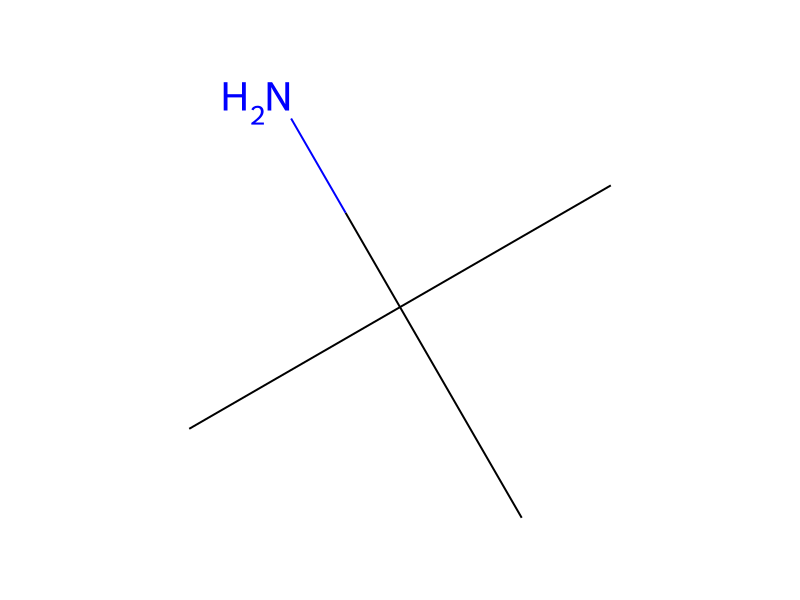
[C:1]1([C:7]2([C:13]3[CH:18]=[CH:17][CH:16]=[CH:15][CH:14]=3)[CH2:11][CH:10]([Cl:12])[CH:9]=[CH:8]2)[CH:6]=[CH:5][CH:4]=[CH:3][CH:2]=1.[C:19]([NH2:23])([CH3:22])([CH3:21])[CH3:20].[I-].[Na+].C1OCCOCCOCCOCCOCCOC1>C(Cl)Cl>[ClH:12].[C:19]([NH:23][CH:10]1[CH2:11][C:7]([C:13]2[CH:18]=[CH:17][CH:16]=[CH:15][CH:14]=2)([C:1]2[CH:6]=[CH:5][CH:4]=[CH:3][CH:2]=2)[CH:8]=[CH:9]1)([CH3:22])([CH3:21])[CH3:20]A mixture of 4,4-diphenyl-2-cyclopentenyl chloride (0.30 g), t-butylamine (1.24 ml), a catalytic amount of sodium iodide and 18-crown-6 in methylene chloride (3 ml) was refluxed for 47 hours and cooled. The solvent was removed off in vacuo, and water was added thereto, and the mixture was extracted with ethyl acetate. The extract was washed with brine, dried over sodium sulfate and evaporated under reduced pressure. To the residue were added ethyl acetate (5 ml) and 3N hydrochloric acid (2 ml) with cooling in an ice bath, and the mixture was stirred for 3 hours. The precipitate was collected by filtration, washed with ethyl acetate, water, ethyl acetate successively and dried to give N-t-butyl-4,4-diphenyl-2-cyclopentenylamine hydrochloride (0.28 g).
Loading…