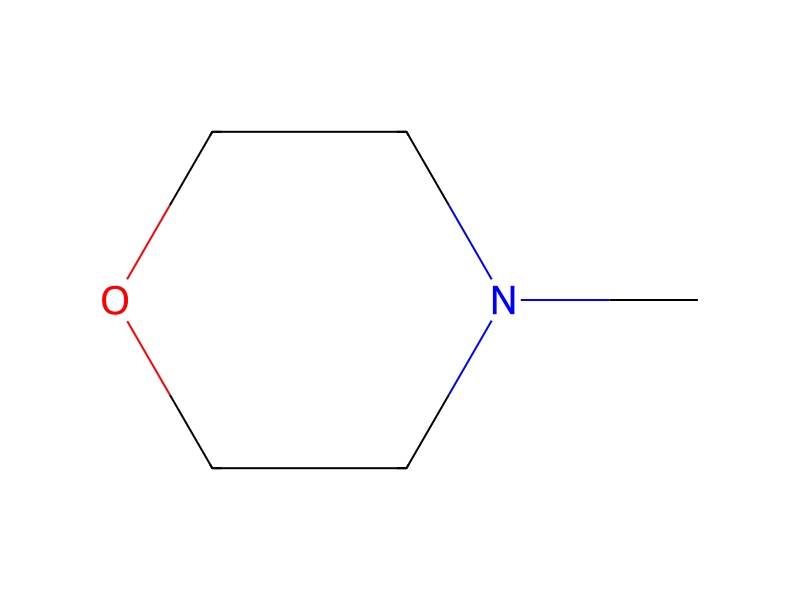
To a stirring solution of 4-phenylmethanesulfonylamino-benzoic acid (CAS 536-95-8, available from Aldrich) (0.300 g, 1.03 mmol), in dichloromethane (10 mL) is added oxalyl chloride (0.262 g, 2.06 mmol) and 1 drop of N,N-dimethylformamide and the mixture allowed to react at ambient temperature for 1 hour. The reaction is then concentrated to dryness. The residue is dissolved in toluene (10 mL) and concentrated again. The residue is dissolved in dichloromethane (6 mL) and added to a flask containing (S)(+)-1-(2-pyrrolidinylmethyl)pyrrolidine (0.154 g, 1.0 mmol) and N-methylmorpholine (0.111 g, 1.1 mmol) and stirred for 20 min. The reaction is diluted with dichloromethane and washed successively with a saturated solution of sodium bicarbonate and water. The organic layer is separated, dried over anhydrous sodium sulfate, filtered, and concentrated to a solid. The solid is dissolved in dichloromethane (1 mL) and 2:1 diethyl ether/hexane is added. The resultant solid is filtered and dried to give the pure free base of the title compound. The free base (0.021 g, 0.049 mmol) is dissolved in dichloromethane (1 ml) and 1M anhydrous HCl in diethyl ether (0.1 ml) is added to precipitate the desired title compound as a white solid. MS (ES+) m/e 428.2 (M+1)+ (free base).