Reaction equation

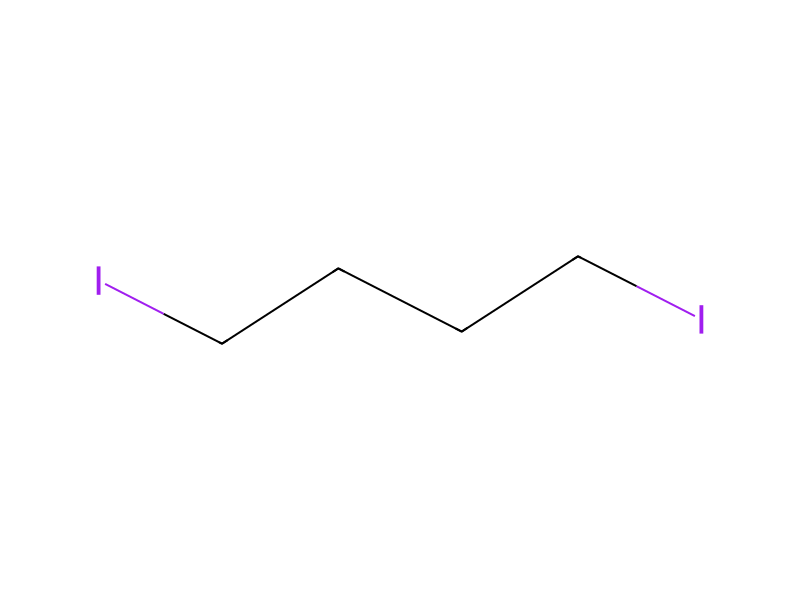
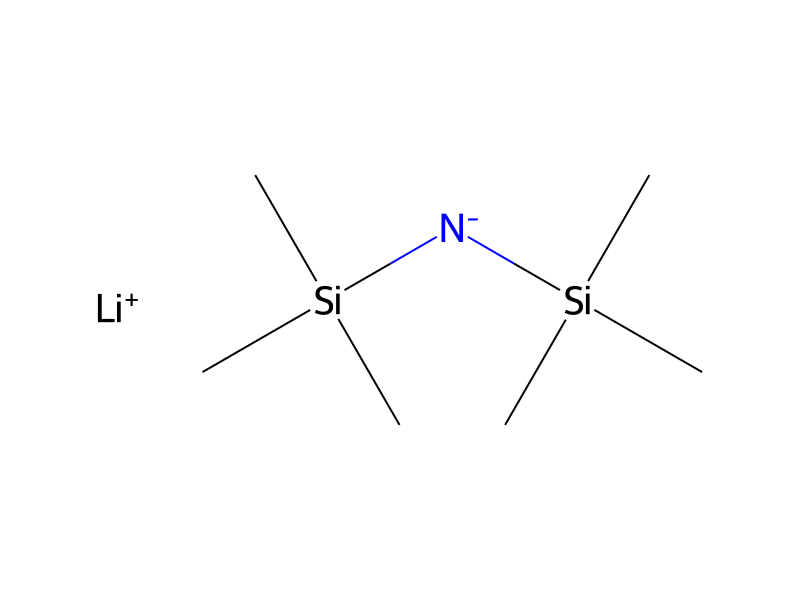
[Cl:1][C:2]1[C:3]2[CH2:10][C:9](=[O:11])[NH:8][C:4]=2[N:5]=[CH:6][N:7]=1.C[Si](C)(C)[N-][Si](C)(C)C.[Li+].I[CH2:23][CH2:24][CH2:25][CH2:26]I>C1COCC1>[Cl:1][C:2]1[C:3]2[C:10]3([CH2:26][CH2:25][CH2:24][CH2:23]3)[C:9](=[O:11])[NH:8][C:4]=2[N:5]=[CH:6][N:7]=1Participants
Reactant 3

Product 1

Reagents, catalysts & solvents 1

Conditions
- Temperature
- -78 °C
Procedure
Add 4-chloro-5,7-dihydro-pyrrolo[2,3-d]pyrimidin-6-one (0.6 g; 0.0035 mol; 1.0 equiv) in anhydrous THF (20 mL) and cool the reaction to −78° C., under an inert atmosphere. Add drop-wise lithium hexamethyldisilazide (8.8 mL; 0.0088 mol; 2.5 equiv; 1M in THF). Stir at −78° C. for 30 min. Add drop-wise 1,4-diiodobutane (0.56 mL; 0.0042 mol; 1.2 equiv), allow the reaction temperature to reach 0° C. slowly, and stir for 2 h. Then allow the reaction to reach RT and stir for additional 1 h. Quench the reaction with saturated ammonium chloride solution and extract with EA. Wash the organic layer with water, brine, and dry over anhydrous sodium sulfate. Evaporate the organic layer and purify over a 10 g silica column with acetone (5%) in DCM. Pool fractions to give the title compound (0.34 g; 43.09%). H NMR (DMSO-d6): 11.68 (1H, s), 8.53 (1H, s), 2.0-2.1 (m, 2H), 1.91-1.99 (m, 6H).
Workup
- temperaturecool
- customthe reaction to −78° C.
- customto reach 0° C.
- stirringstir for 2 h
- customthe reaction
- customto reach RT
- stirringstir for additional 1 h
- customQuench
- customthe reaction with saturated ammonium chloride solution
- extractionextract with EA
- washWash the organic layer with water, brine
- dry with materialdry over anhydrous sodium sulfate
- customEvaporate the organic layer
- custompurify over a 10 g silica column with acetone (5%) in DCM
Sources & evidence
- ORD record
- ord-598b35b6448f4efb9b4575838bdc202a
- Source dataset
- uspto-grants-2012_04
- Patent number
- US08148387B2
Linked notes
Loading…