HomeMCPWorkbenchSkills
HomeWorkbenchNotificationsMe
llms.txt · MCP GuidePrivacy Policy · Terms of Service · Supportv1.8.3
  1. Home
  2. /Reaction

Citric Acid → 1-(6-Chloro-2,3,4,9-tetrahydro-1H-beta-carbolin-1-yl)cyclobutanecarboxamide Hydrochloride

HRID 1700374
Print

Reaction equation

HRID 1700374 reaction equation
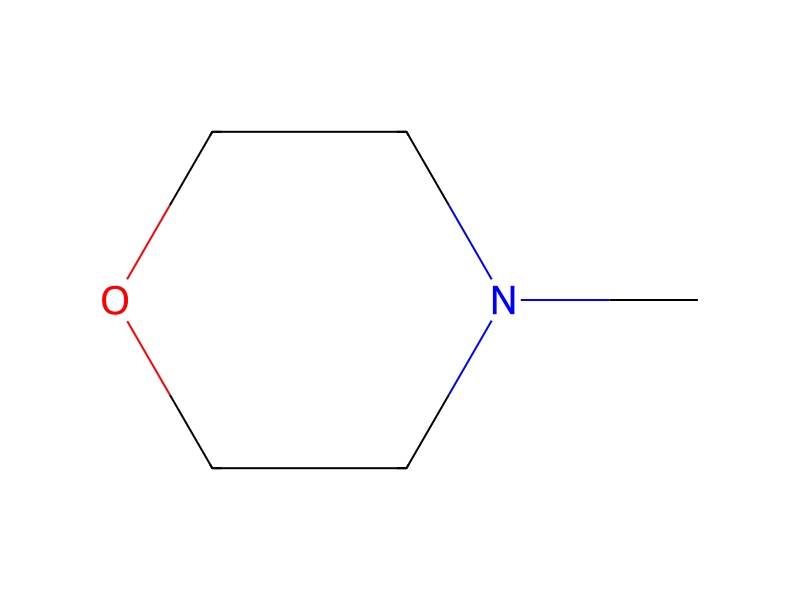
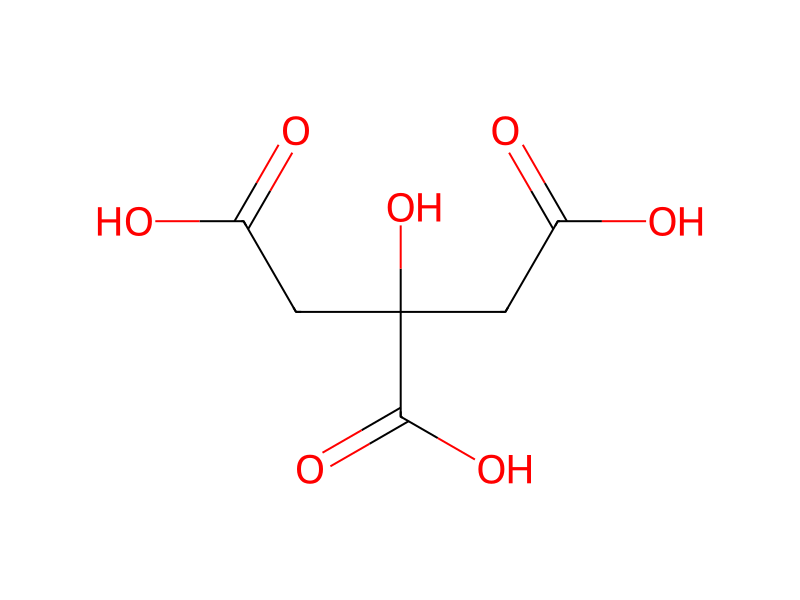
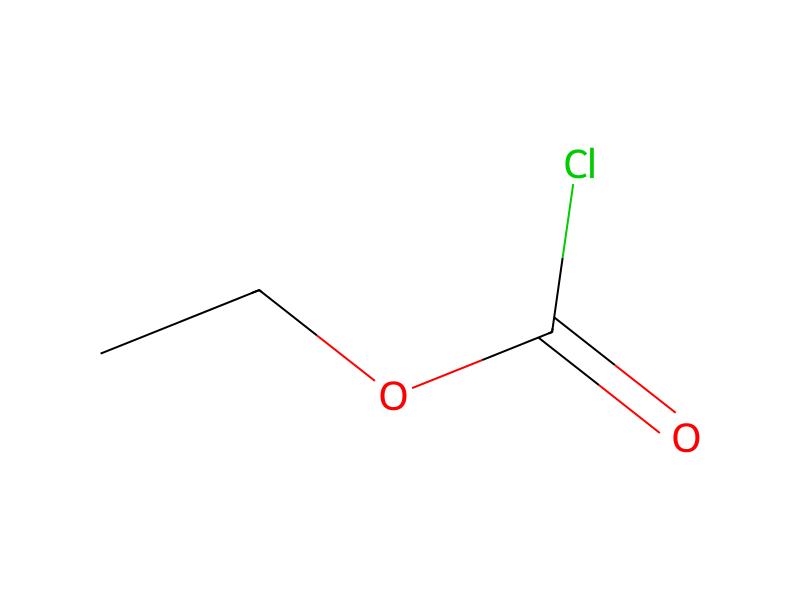
C(OC([O-])=O)(=O)OC(C)(C)C.Cl.[Cl:13][C:14]1[CH:15]=[C:16]2[C:24](=[CH:25][CH:26]=1)[NH:23][C:22]1[CH:21]([C:27]3([C:31](OCC)=[O:32])[CH2:30][CH2:29][CH2:28]3)[NH:20][CH2:19][CH2:18][C:17]2=1.C(O)(=O)CC(CC(O)=O)(C(O)=O)O.ClC(OCC)=O.[OH-].[NH4+:56]>O1CCOCC1.O.[OH-].[Na+].O1CCCC1.CN1CCOCC1>[ClH:13].[Cl:13][C:14]1[CH:15]=[C:16]2[C:24](=[CH:25][CH:26]=1)[NH:23][C:22]1[CH:21]([C:27]3([C:31]([NH2:56])=[O:32])[CH2:28][CH2:29][CH2:30]3)[NH:20][CH2:19][CH2:18][C:17]2=1
ParticipantsConditionsProcedureWorkupSources & evidenceReaction notes

Participants

11

Reactant 5

HCID 311Citric AcidHCID 10928Ethyl chloroformateHCID 14923Ammonium HydroxideHCID 18317933Ethyl 1-(6-chloro-2,3,4,9-tetrahydro-1H-beta-carbolin-1-yl)cyclobutanecarboxylate HydrochlorideHCID 22064466Tert-butyldicarbonate

Product 1

HCID 18317944
1-(6-Chloro-2,3,4,9-tetrahydro-1H-beta-carbolin-1-yl)cyclobutanecarboxamide Hydrochloride

Reagents, catalysts & solvents 5

HCID 962WaterSolvent2×HCID 79724-MethylmorpholineSolventHCID 8028TetrahydrofuranSolventHCID 14798Sodium HydroxideSolventHCID 312751,4-DioxaneSolvent

Conditions

Temperature
-10 °C

Procedure

0.8 g of tert-butyl pyrocarbonate is added at 0° C. to a solution of 1 g of the compound of Example 1 in 20 ml of dioxane, 20 ml of water and 10 ml of 1M sodium hydroxide solution. After reaction for 4 hours, the reaction mixture is diluted by the addition of water and acidified with a 5% citric acid solution. After extraction with ethyl acetate, drying the organic phases, and concentration under reduced pressure, the residue obtained is diluted with 50 ml of tetrahydrofuran and 0.5 ml of N-methylmorpholine. After cooling the mixture to −10° C., 0.3 ml of ethyl chloroformate are added, followed by 0.2 ml of a 28% ammonium hydroxide solution. After reaction for 12 hours, the solvent is distilled off. The residue is then taken up in a water/dichloromethane mixture. After decanting, drying and concentrating under reduced pressure, the residue is treated with a solution of ethanol and ethereal hydrogen chloride, enabling the desired product to be obtained in the form of the hydrochloride.

Workup

  1. customAfter reaction for 4 hours
  2. extractionAfter extraction with ethyl acetate
  3. customdrying
  4. concentrationthe organic phases, and concentration under reduced pressure
  5. customthe residue obtained
  6. customAfter reaction for 12 hours
  7. distillationthe solvent is distilled off
  8. customAfter decanting
  9. customdrying
  10. concentrationconcentrating under reduced pressure
  11. additionthe residue is treated with a solution of ethanol and ethereal hydrogen chloride

Sources & evidence

ORD record
ord-5262ac8c823f415c88bf6de4434cf90e
Source dataset
uspto-grants-2002_02
DOI
10.6084/m9.figshare.5104873.v1
Patent number
US06350757B1

Reaction notes

On this pageParticipantsConditionsProcedureWorkupSources & evidenceReaction notes