HomeMCPWorkbenchSkills
HomeWorkbenchNotificationsMe
llms.txt · MCP GuidePrivacy Policy · Terms of Service · Supportv1.8.3
  1. Home
  2. /Reaction

Ethylene Oxide → 1,2-Dichloropropane

HRID 1702755
Print

Reaction equation

HRID 1702755 reaction equation
[C:1](=[O:11])([O:6][CH:7]([CH3:10])[CH2:8][Cl:9])[O:2][CH2:3][CH2:4][Cl:5].C1(=O)OCCO1.C=CC.[Cl:21]Cl.C(=O)([O-])[O-].C1OC1C.C1OC1>[Br-].C([P+](CCCC)(CCCC)CCCC)CCC.ClCCCl.C(Cl)(Cl)Cl>[C:1](=[O:11])([O:6][CH:7]([CH3:10])[CH2:8][Cl:9])[O:2][CH2:3][CH2:4][Cl:5].[Cl:9][CH2:8][CH:7]([Cl:21])[CH3:10]
ParticipantsConditionsProcedureWorkupSources & evidenceReaction notes

Participants

12

Reactant 7

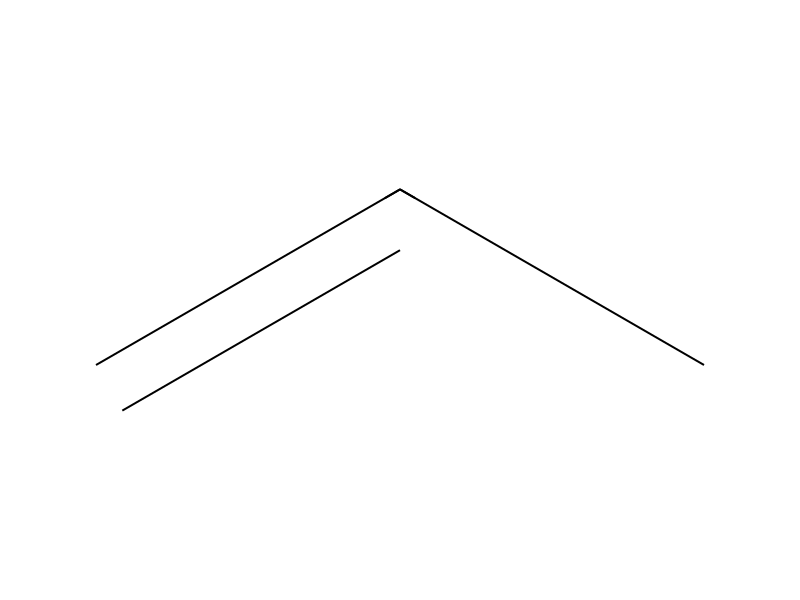
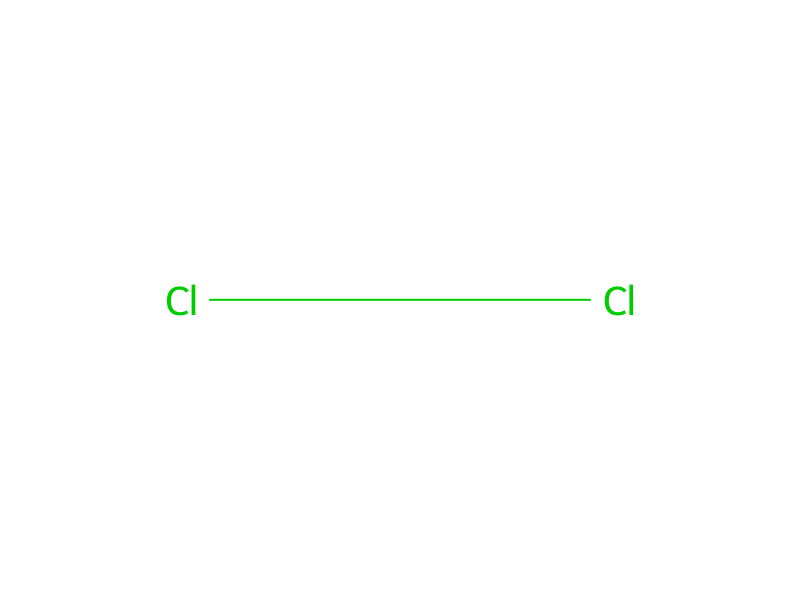
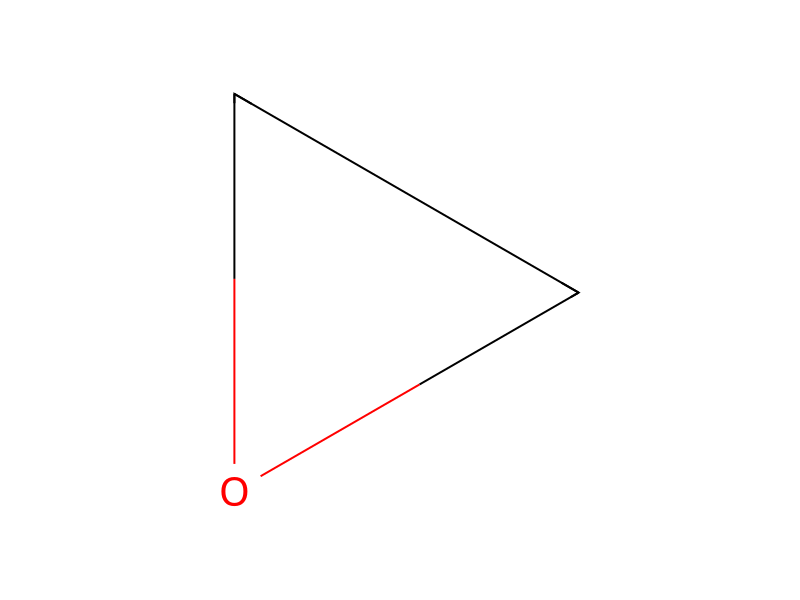
HCID 6354Ethylene OxideHCID 6378Propylene OxideHCID 7303Ethylene carbonateHCID 8252PropyleneHCID 19660Carbonate IonHCID 24526ChlorineHCID 204819972-Chloroethyl 1-chloropropan-2-yl carbonate

Product

2
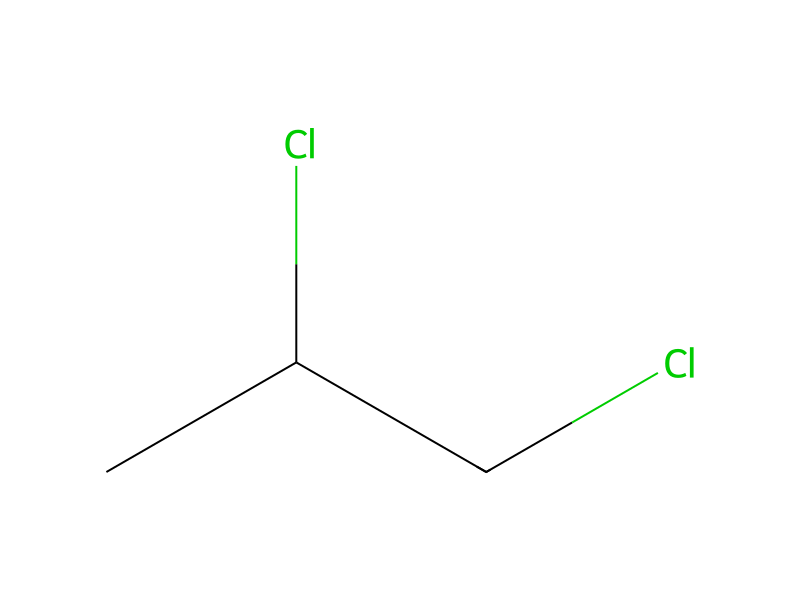
HCID 65641,2-DichloropropaneHCID 204819972-Chloroethyl 1-chloropropan-2-yl carbonate

Reagents, catalysts & solvents 3

HCID 76564Tetrabutylphosphonium bromideCatalystHCID 111,2-DichloroethaneSolventHCID 6212ChloroformSolvent

Conditions

Temperature
-60 °C

Procedure

A mixture of 3.02 g (0.015 g mole) of 2-chloroethyl 1-chloro-2-propyl carbonate and 0.051 g (0.00015 g mole) of tetrabutylphosphonium bromide was heated at 190° C.-192° C. in a 10 ml reaction flask equipped with magnetic stirrer and a distillation head connected to a receiver containing 11.9 g of chloroform cooled to -60° C. The 2-chloroethyl 1-chloro-2-propyl carbonate starting material was prepared by reacting 1.5 moles of ethylene carbonate with about two moles each of propylene and chlorine at about room temperature as shown in Japanese Pat. No. 46,921/78. After 3 hours of heating, a residue of 0.20 g remained in the reaction flask and the receiver had gained 2.15 g in total weight. Nuclear magnetic resonance spectroscopic and chromatographic analyses of the reaction products indicated that 97 percent of the starting carbonate had been converted to a mixture of 83 percent of the theoretical quantity of propylene oxide and 6 percent of the theoretical amount of ethylene oxide together with corresponding yields of 1,2-dichloroethane and 1,2-dichloropropane, respectively.

Workup

  1. temperaturewas heated at 190° C.-192° C. in a 10 ml reaction flask
  2. customequipped with magnetic stirrer
  3. customat about room temperature
  4. temperatureAfter 3 hours of heating

Sources & evidence

ORD record
ord-3c06c236c09641bb820173e81b824005
Source dataset
uspto-grants-1982_09
DOI
10.6084/m9.figshare.5104873.v1
Patent number
US04349482

Reaction notes

On this pageParticipantsConditionsProcedureWorkupSources & evidenceReaction notes