HomeMCPSkillsWorkbenchOpenChem
HomeWorkbenchNotificationsMe
llms.txt · skill.md · MCP GuidePrivacy Policy · Terms of Service · Supportv1.8.5
  1. Home
  2. /Reaction

Acetic Acid → 3-Phenyl-2-propen-1-yl acetate

HRID 1706280
Print

Reaction equation

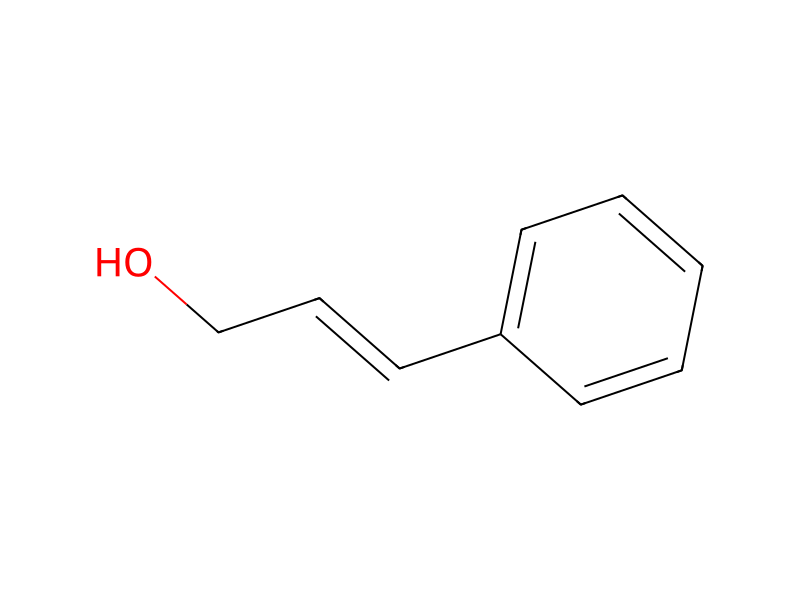
BrC1C=CC=C[N+]=1C.[CH2:9]([OH:18])[CH:10]=[CH:11][C:12]1[CH:17]=[CH:16][CH:15]=[CH:14][CH:13]=1.[C:19](O)(=[O:21])[CH3:20].C(N(CCCC)CCCC)CCC>C(Cl)Cl>[C:19]([O:18][CH2:9][CH:10]=[CH:11][C:12]1[CH:17]=[CH:16][CH:15]=[CH:14][CH:13]=1)(=[O:21])[CH3:20]
ParticipantsProcedureWorkupSources & evidenceReaction notes

Participants

6

Reactant 4

HCID 176Acetic AcidHCID 3083-Phenylprop-2-En-1-OlHCID 7622TributylamineHCID 8183862-Bromo-1-methylpyridinium

Product 1

HCID 76603-Phenyl-2-propen-1-yl acetateYield 82%

Reagents, catalysts & solvents 1

HCID 6344
Dichloromethane
Solvent
2×

Procedure

To a suspended CH2Cl2 (2 ml) solution of 2-bromo-1-methylpyridinium (720 mg, 2.4 mmol) was added a mixture of cinnamyl alcohol (268 mg, 2.0 mmol), acetic acid (120 mg, 2.0 mmol) and tri-n-butylamine (888 mg, 4.8 mmol) in CH2Cl2 (2 ml), and the resulting mixture was refluxed for 3 hours. After evaporation of the solvent, the residue was separated by silica gel column chromatography, and cinnamyl acetate was isolated in 82% yield.

Workup

  1. temperaturethe resulting mixture was refluxed for 3 hours
  2. customAfter evaporation of the solvent
  3. customthe residue was separated by silica gel column chromatography

Sources & evidence

ORD record
ord-fbbdbf7e4d28439f8c42c9a5d0606676
Source dataset
uspto-grants-1980_06
DOI
10.6084/m9.figshare.5104873.v1
Patent number
US04206310

Reaction notes

On this pageParticipantsProcedureWorkupSources & evidenceReaction notes