HomeMCPWorkbenchSkills
HomeWorkbenchNotificationsMe
llms.txt · MCP GuidePrivacy Policy · Terms of Service · Supportv1.8.3
  1. Home
  2. /Reaction

Hydrochloric Acid → Chloromethoxy-cyclododecane

HRID 1730710
Print

Reaction equation

HRID 1730710 reaction equation
[CH:1]1(O)[CH2:12][CH2:11][CH2:10][CH2:9][CH2:8][CH2:7][CH2:6][CH2:5][CH2:4][CH2:3][CH2:2]1.S([O-])([O-])(=O)=O.[Na+].[Na+].[CH2:21]=[O:22].[H][H].ClCl.[ClH:27]>C1(C)C(C)=CC=CC=1>[Cl:27][CH2:21][O:22][CH:1]1[CH2:12][CH2:11][CH2:10][CH2:9][CH2:8][CH2:7][CH2:6][CH2:5][CH2:4][CH2:3][CH2:2]1
ParticipantsConditionsProcedureWorkupSources & evidenceReaction notes

Participants

7

Reactant 5

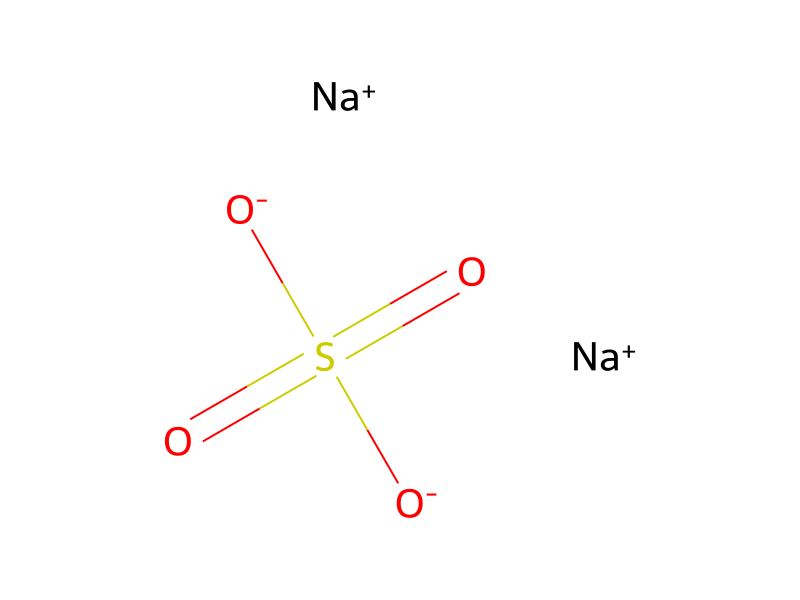
HCID 313Hydrochloric AcidHCID 712FormaldehydeHCID 15595CyclododecanolHCID 24436Sodium SulfateHCID 178478648HCID 178478648, compound

Product 1

HCID 14640421Chloromethoxy-cyclododecane

Reagents, catalysts & solvents 1

HCID 7237
O-Xylene
Solvent

Conditions

Temperature
-20 °C

Procedure

368 gm of cyclododecanol (2.0 mols), 250 gm of anhydrous sodium sulfate and 66,0 gm of paraformaldehyde were dispersed in 600 ml of xylene and the mixture was cooled to a temperature of -20° C. While the mixture was stirred energetically, as strong a flow as possible of hydrogen chlorine was introduced, the speed at which it was introduced being controlled such that the reaction temperature did not exceed +5° C. After approximately one hour the speed of introduction was decreased and subsequent reaction was effected while hydrogen chloride was bubbled through gently. Water-jet vacuum was then applied gradually during energetic stirring in order to remove surplus hydrogen chloride. When the highest water-jet vacuum had been achieved, the mixture was heated to 30° C over a period of one hour, and subsequent stirring was effected at this temperature for a further hour. The sodium sulfate was then drawn off by vacuum filtration and the solution of the chloromethoxy-cyclododecane thus obtained could be used for the next reaction without special processing.


Workup

  1. additionthe speed at which it was introduced
  2. customdid not exceed +5° C
  3. customsubsequent reaction
  4. customwas bubbled through gently
  5. stirringduring energetic stirring in order
  6. customto remove surplus hydrogen chloride
  7. temperaturethe mixture was heated to 30° C over a period of one hour
  8. stirringsubsequent stirring
  9. waitwas effected at this temperature for a further hour
  10. filtrationThe sodium sulfate was then drawn off by vacuum filtration

Sources & evidence

ORD record
ord-b460c61173d345a9bd8ec29ce0f5c579
Source dataset
uspto-grants-1976_11
DOI
10.6084/m9.figshare.5104873.v1
Patent number
US03993697

Reaction notes

On this pageParticipantsConditionsProcedureWorkupSources & evidenceReaction notes