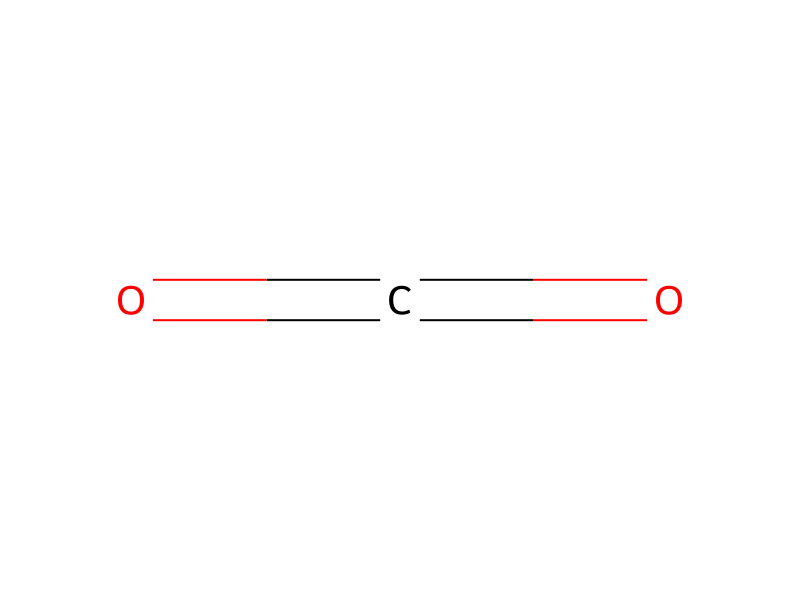
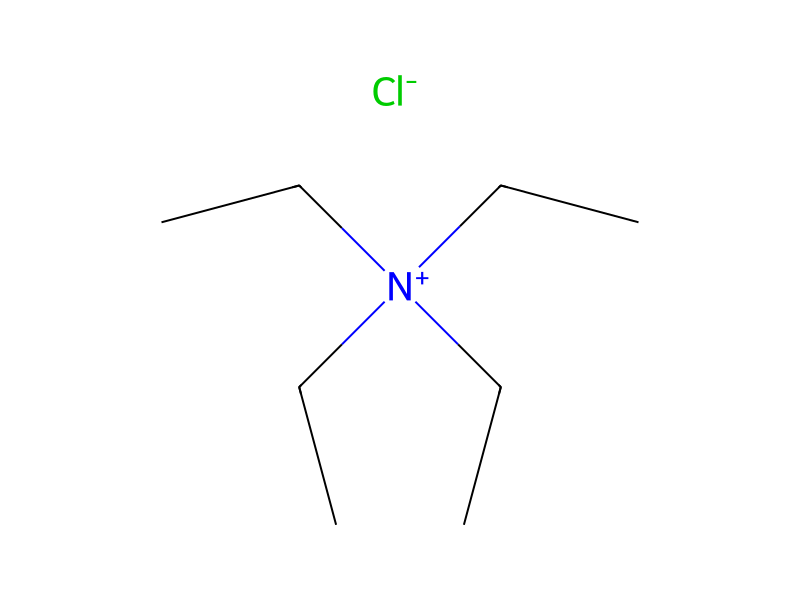
[C:1]1(=[O:6])[O:5][CH2:4][CH2:3][O:2]1.[N+:7]([C:10]1[CH:18]=[CH:17][C:13](C(O)=O)=[CH:12][CH:11]=1)([O-:9])=[O:8].C(=O)=O>[Cl-].C([N+](CC)(CC)CC)C.C(OCC)(=O)C>[OH:5][CH2:4][CH2:3][O:2][C:1](=[O:6])[C:13]1[CH:17]=[CH:18][C:10]([N+:7]([O-:9])=[O:8])=[CH:11][CH:12]=1Ethylene carbonate (20 g., 0.22 mole), 4-Nitrobenzoic acid (38 g., 0.2 mole), and tetraethylammonium chloride (2.0 g., 0.04 mole) were placed in a one liter round bottom flask and heated at 140° C. with stirring until evolution of CO2 stopped. The reaction was cooled to room temperature and dissolved in one liter of ethyl acetate. The solution was washed with water and dried over MgSO4. The drying agent was removed by filtration. The volume was reduced in-vacuo and the 2-hydroxyethyl-4-nitrobenzoate obtained as a pale yellow solid. The structure was confirmed by NMR spectroscopy.