HomeMCPSkillsWorkbenchOpenChem
HomeWorkbenchNotificationsMe
llms.txt · skill.md · MCP GuidePrivacy Policy · Terms of Service · Supportv1.8.5
  1. Home
  2. /Reaction

Benzyl Bromide → 1-Benzyl-3-(1-methylpiperidin-4-yl)-5-hydroxy-1H-indole

HRID 1766241
Print

Reaction equation

[Si]([O:8][C:9]1[CH:10]=[C:11]2[C:15](=[CH:16][CH:17]=1)[NH:14][CH:13]=[C:12]2[CH:18]1[CH2:23][CH2:22][N:21]([CH3:24])[CH2:20][CH2:19]1)(C(C)(C)C)(C)C.[CH2:25](Br)[C:26]1[CH:31]=[CH:30][CH:29]=[CH:28][CH:27]=1.[F-].C([N+](CCCC)(CCCC)CCCC)CCC>O1CCCC1.[H-].[K+]>[CH2:25]([N:14]1[C:15]2[C:11](=[CH:10][C:9]([OH:8])=[CH:17][CH:16]=2)[C:12]([CH:18]2[CH2:19][CH2:20][N:21]([CH3:24])[CH2:22][CH2:23]2)=[CH:13]1)[C:26]1[CH:31]=[CH:30][CH:29]=[CH:28][CH:27]=1
ParticipantsProcedureWorkupSources & evidenceReaction notes

Participants

6

Reactant 3

HCID 7498Benzyl BromideHCID 2724141Tetrabutylammonium FluorideHCID 179801335-(t-Butyldimethylsilanyloxy)-3-(1-methylpiperidin-4-yl)-1H-indol

Product 1

HCID 179801081-Benzyl-3-(1-methylpiperidin-4-yl)-5-hydroxy-1H-indoleYield 99%

Reagents, catalysts & solvents 2

HCID 8028Tetrahydrofuran
Solvent
2×
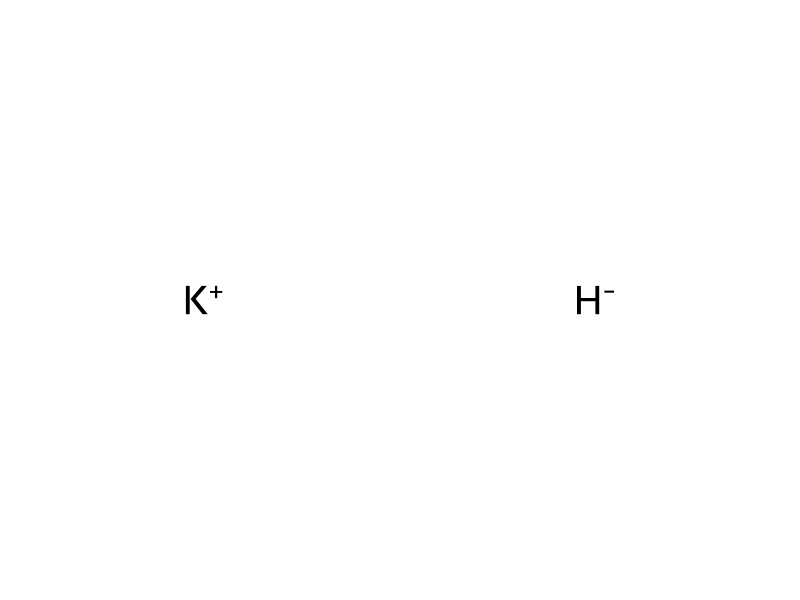
HCID 82127Potassium hydrideSolvent

Procedure

By a method similar to Preparation 32, using 5-(t-butyldimethylsilanyloxy)-3-(1-methylpiperidin-4-yl)-1H-indol (350 mg, 1.02 mmol) in tetrahydrofuran (20 mL), potassium hydride (116 mg of a 35% dispersion in oil, 1.02 mmol) and benzyl bromide (121 μL, 1.02 mmol) and after stirring at room temperature overnight, the reaction mixture was directly treated with tetrabutyl ammonium fluoride (1.02 mL of a 1M solution in tetrahydrofuran, 1.02 mmol) and stirred at room temperature for three days. The solvent was then removed in vacuo, and the resulting residue was diluted with methanol (15 mL) and directly applied to a 5 g SCX column. After thoroughly washing with methanol, the column was eluted with a 8:2 mixture of dichloromethane and 2 N ammonia in methanol. The eluent was concentrated in vacuo, and the residue was further purified on silica gel. Elution with a 0% to 2% gradient of methanol in dichloromethane provided 323 mg (99%) of the title compound as an off-white gum: 1H NMR (400 MHz, CDCl3): 7.33-7.20 (m, 4H), 7.12-7.05 (m, 2H), 7.04 (d, 1H, J=8.4 Hz), 6.82 (s, 1H), 6.70 (dd, 1H, J=8.6, 2.6 Hz), 5.17 (s, 2H), 3.01 (br d, 2H, J=11.2 Hz), 2.71 (tt, 1H, J=11.8, 4.0 Hz), 2.38 (s, 3H), 2.22-1.98 (m, 4H), 1.98-1.88 (m, 2H): MS (ES+): m/e 321.0 (M+1).


Workup

  1. customBy a method similar to Preparation 32
  2. stirringstirred at room temperature for three days
  3. customThe solvent was then removed in vacuo
  4. additionthe resulting residue was diluted with methanol (15 mL)
  5. washAfter thoroughly washing with methanol
  6. washthe column was eluted with a 8:2 mixture of dichloromethane and 2 N ammonia in methanol
  7. concentrationThe eluent was concentrated in vacuo
  8. customthe residue was further purified on silica gel
  9. washElution with a 0% to 2% gradient of methanol in dichloromethane

Sources & evidence

ORD record
ord-e1eb1ddaf9694f04be801fa7e58dfdf4
Source dataset
uspto-grants-2007_06
DOI
10.6084/m9.figshare.5104873.v1
Patent number
US07230011B2

Reaction notes

On this pageParticipantsProcedureWorkupSources & evidenceReaction notes